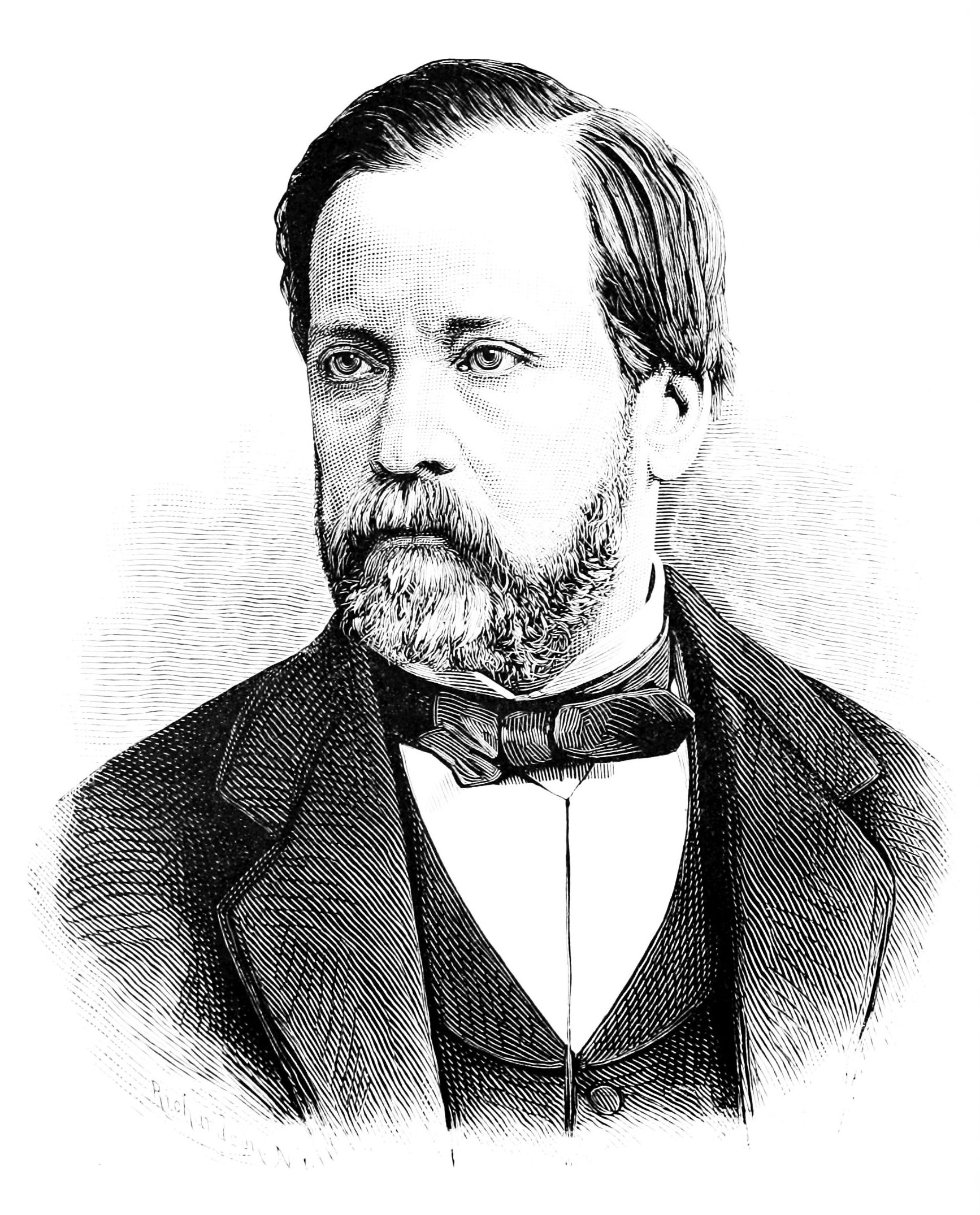
Louis Pasteur
A French chemist and microbiologist who discovered the principles of vaccination, microbial fermentation, and pasteurization.
born1822
died1895
nationalityFrench
known forpasteurization and the rabies vaccine
fieldmicrobiology and chemistry
- He proved that germs cause food to spoil and spread diseases
- He invented pasteurization to kill harmful bacteria in liquids
- He discovered how to weaken viruses to create vaccines
- His rabies vaccine saved countless lives and revolutionized medicine
Timeline
1822Born in Dole, France
1847Earned his doctorate in Paris
1864Invented the process of pasteurization
1879Developed the first vaccine for chicken cholera
1885Successfully tested the rabies vaccine on a human
1895Died in Marnes-la-Coquette, France
background
Louis Pasteur was born in 1822 in France. As a young student, he was not considered exceptional and preferred drawing and painting over science. However, his teachers soon recognized his hardworking nature and encouraged him to pursue higher education. He eventually studied chemistry and physics in Paris, where he developed a deep fascination with how tiny, invisible things could affect the world. These early studies laid the foundation for his future discoveries that would save millions of lives.
Louis Pasteur sinh năm 1822 tại Pháp. Khi còn là một học sinh trẻ, ông không được coi là xuất chúng và thích vẽ tranh hơn là khoa học. Tuy nhiên, các giáo viên của ông sớm nhận ra bản tính chăm chỉ của ông và khuyến khích ông theo đuổi giáo dục đại học. Cuối cùng, ông đã học hóa học và vật lý tại Paris, nơi ông phát triển một niềm say mê sâu sắc với cách những thứ nhỏ bé, vô hình có thể ảnh hưởng đến thế giới. Những nghiên cứu ban đầu này đã đặt nền móng cho những khám phá trong tương lai của ông, thứ sẽ cứu sống hàng triệu người.
achievement
Pasteur made groundbreaking discoveries in the field of microbiology. He proved that microorganisms, or "germs," were responsible for spoiling food and causing diseases. This idea, known as the germ theory, revolutionized medicine and hygiene. To prevent liquids like milk and wine from going bad, he invented a process of heating them to kill the harmful bacteria. This method, named "pasteurization" in his honor, is still widely used today to keep our food and drinks safe.
Pasteur đã thực hiện những khám phá mang tính đột phá trong lĩnh vực vi sinh vật học. Ông đã chứng minh rằng các vi sinh vật, hay "vi trùng", là nguyên nhân làm hỏng thức ăn và gây ra bệnh tật. Ý tưởng này, được gọi là thuyết vi trùng, đã cách mạng hóa y học và vệ sinh. Để ngăn chặn các chất lỏng như sữa và rượu bị hỏng, ông đã phát minh ra một quá trình đun nóng chúng để tiêu diệt các vi khuẩn có hại. Phương pháp này, được đặt tên là "thanh trùng" (pasteurization) để vinh danh ông, vẫn được sử dụng rộng rãi ngày nay để giữ cho đồ ăn và thức uống của chúng ta an toàn.
impact
Beyond food safety, Pasteur's greatest legacy is his work on vaccines. He discovered how to weaken harmful bacteria and viruses so they could be injected into the body safely, teaching the immune system how to fight them off. He successfully developed vaccines for deadly diseases like anthrax and rabies. His courageous work not only saved countless humans and animals but also created the modern field of immunology. Today, he is remembered as one of the fathers of modern medicine.
Vượt ra ngoài an toàn thực phẩm, di sản lớn nhất của Pasteur là công trình nghiên cứu về vắc-xin. Ông đã khám phá ra cách làm suy yếu các vi khuẩn và virus có hại để chúng có thể được tiêm vào cơ thể một cách an toàn, dạy cho hệ miễn dịch cách chống lại chúng. Ông đã phát triển thành công vắc-xin cho các căn bệnh chết người như bệnh than và bệnh dại. Công trình dũng cảm của ông không chỉ cứu sống vô số con người và động vật mà còn tạo ra lĩnh vực miễn dịch học hiện đại. Ngày nay, ông được nhớ đến như một trong những cha đẻ của y học hiện đại.
Vocabulary
exceptionalxuất chúng / đặc biệt
unusually good or outstanding
tốt hoặc nổi bật một cách khác thường
microbiologyvi sinh vật học
the study of very small living things like bacteria
nghiên cứu về các sinh vật sống rất nhỏ như vi khuẩn
hygienevệ sinh
the practice of keeping yourself and your surroundings clean to prevent disease
thực hành giữ cho bản thân và môi trường xung quanh sạch sẽ để ngăn ngừa bệnh tật
pasteurizationsự thanh trùng
the process of heating a liquid to kill harmful bacteria
quá trình đun nóng một chất lỏng để tiêu diệt vi khuẩn có hại
immune systemhệ miễn dịch
the system in the body that produces defenses against infection
hệ thống trong cơ thể tạo ra sự phòng thủ chống lại nhiễm trùng
immunologymiễn dịch học
the branch of medicine and biology concerned with immunity
nhánh của y học và sinh học liên quan đến khả năng miễn dịch
Knowledge Check
FACTUAL1 / 4
What process did Pasteur invent to keep liquids like milk safe?
Flashcards
KNOWLEDGE
Who was Louis Pasteur?
A French scientist who developed pasteurization and vaccines.
1 / 9