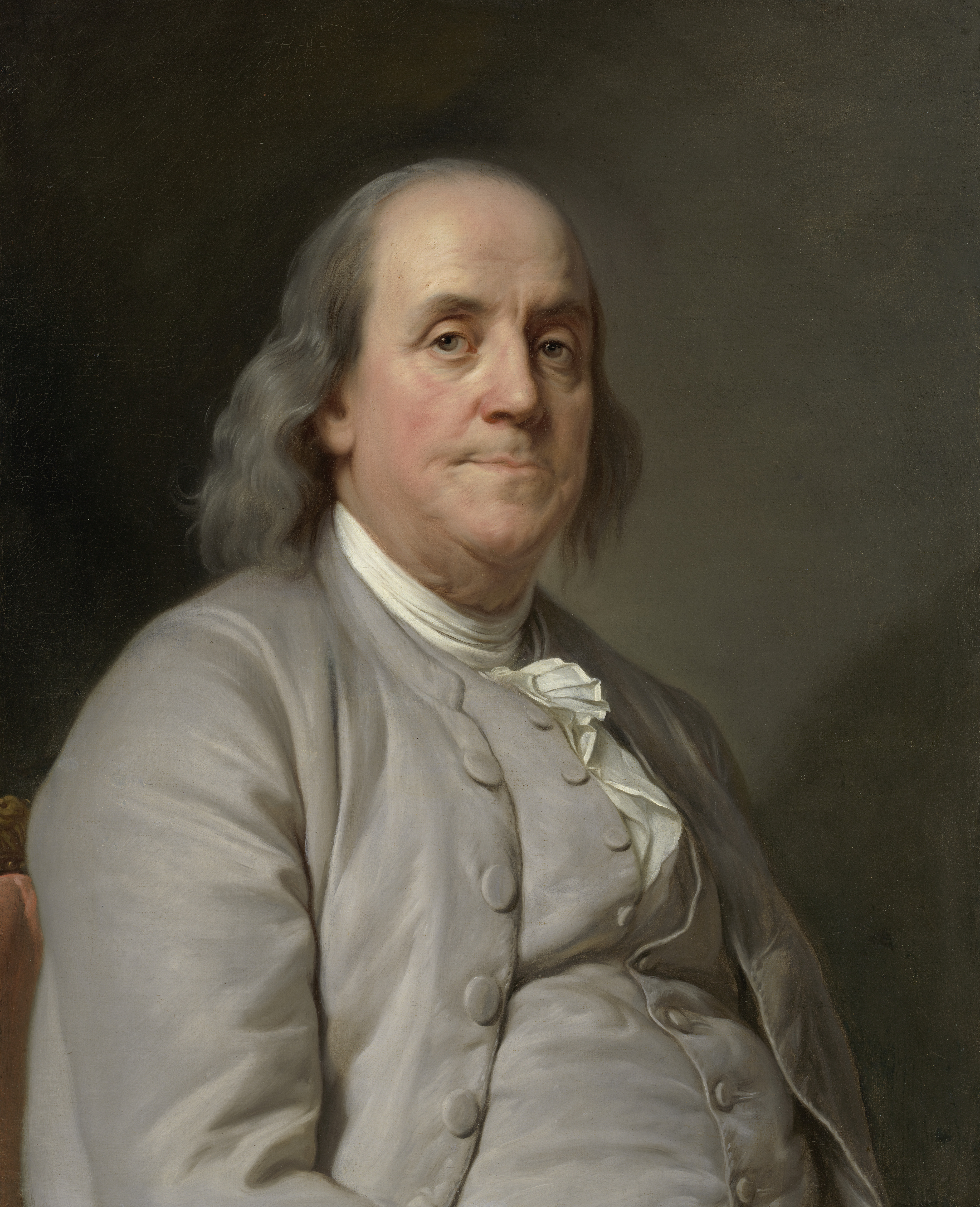
Benjamin Franklin
A Founding Father of the United States, renowned as a polymath, author, scientist, inventor, and diplomat who profoundly shaped early American identity.
Một trong những người lập quốc của Hoa Kỳ, nổi tiếng là học giả bách khoa, tác giả, nhà khoa học, nhà phát minh và nhà ngoại giao, định hình sâu sắc bản sắc Mỹ thời kỳ đầu.
This biography of Benjamin Franklin helps you learn English through real historical stories. Explore Benjamin Franklin's impact on the world.
born1706
died1790
nationalityAmerican
known forDiscoveries in electricity, Poor Richard's Almanack, and drafting the Declaration of Independence
fieldscience, politics, and literature
Key Takeaways from this Biography
- He was a leading Founding Father who signed the Declaration of Independence and the U.S. ConstitutionÔng là một Người cha lập quốc hàng đầu đã ký Tuyên ngôn Độc lập và Hiến pháp Hoa Kỳ
- He was a brilliant polymath and scientist, proving lightning is electricity via his famous kite experimentÔng là một học giả uyên bác và nhà khoa học lỗi lạc, chứng minh tia sét là điện thông qua thí nghiệm thả diều nổi tiếng
- He invented practical items like the lightning rod and bifocal glasses, refusing to patent them for the public goodÔng đã phát minh ra các vật dụng thiết thực như cột thu lôi và kính hai tròng, từ chối cấp bằng sáng chế vì lợi ích chung
- He was a highly successful printer and author, shaping American culture with 'Poor Richard's Almanack'Ông là một thợ in và tác giả rất thành công, định hình văn hóa Mỹ với 'Niên giám của Richard nghèo khổ'
Life Timeline
1706
Born in Boston, MassachusettsSinh ra ở Boston, Massachusetts
1732
Published the first edition of 'Poor Richard's Almanack'Xuất bản ấn bản đầu tiên của 'Niên giám của Richard nghèo khổ'
1752
Conducted the famous kite experiment to prove lightning is electricityTiến hành thí nghiệm con diều nổi tiếng để chứng minh tia sét là điện
1776
Helped draft and signed the United States Declaration of IndependenceTham gia soạn thảo và ký Bản Tuyên ngôn Độc lập Hoa Kỳ
1783
Negotiated the Treaty of Paris, ending the Revolutionary WarĐàm phán Hiệp định Paris, kết thúc Chiến tranh Cách mạng
1790
Died in Philadelphia, PennsylvaniaQua đời ở Philadelphia, Pennsylvania
Biography Reading: Benjamin Franklin
background
Benjamin Franklin was born in 1706 in Boston, Massachusetts, into a large, modest family. With only two years of formal schooling, he became a voracious self-taught reader and a highly skilled printer. As a young man, he moved to Philadelphia and eventually established his own successful printing business. He gained immense popularity and wealth through publishing the "Pennsylvania Gazette" and "Poor Richard's Almanack," a yearly publication filled with practical advice, weather forecasts, and witty aphorisms that deeply shaped the industrious, pragmatic character of early America.
Benjamin Franklin sinh năm 1706 tại Boston, Massachusetts, trong một gia đình đông con, giản dị. Chỉ với hai năm đi học chính quy, ông đã trở thành một người đam mê tự đọc sách và một thợ in tay nghề cao. Khi còn trẻ, ông chuyển đến Philadelphia và cuối cùng thành lập doanh nghiệp in ấn thành công của riêng mình. Ông đã đạt được sự nổi tiếng và khối tài sản to lớn thông qua việc xuất bản tờ "Pennsylvania Gazette" và "Poor Richard's Almanack" (Niên giám của Richard nghèo khổ), một ấn phẩm hàng năm chứa đầy những lời khuyên thiết thực, dự báo thời tiết và những câu châm ngôn dí dỏm đã định hình sâu sắc tính cách cần cù, thực dụng của nước Mỹ thời kỳ đầu.
achievement
Beyond his literary and business pursuits, Franklin was a visionary polymath and scientist of global renown. His insatiable curiosity led to groundbreaking discoveries in the study of electricity, most famously demonstrated by his dangerous 1752 kite experiment in a thunderstorm, which proved that lightning is electrical in nature. He applied his scientific mind to practical inventions, creating the lightning rod, bifocal glasses, and the efficient Franklin stove. Crucially, he refused to patent any of his inventions, believing that scientific progress should be freely shared to improve the common good of society.
Vượt ra ngoài những theo đuổi về văn học và kinh doanh, Franklin là một học giả uyên bác có tầm nhìn xa và là một nhà khoa học danh tiếng toàn cầu. Sự tò mò vô độ của ông đã dẫn đến những khám phá mang tính đột phá trong nghiên cứu về dòng điện, nổi tiếng nhất được chứng minh bằng thí nghiệm thả diều nguy hiểm năm 1752 của ông trong một cơn giông bão, điều đã chứng minh rằng tia sét có bản chất là điện. Ông đã áp dụng bộ óc khoa học của mình vào các phát minh thiết thực, tạo ra cột thu lôi, kính hai tròng và bếp lò Franklin hiệu quả. Điều quan trọng là, ông từ chối cấp bằng sáng chế cho bất kỳ phát minh nào của mình, với niềm tin rằng tiến bộ khoa học nên được chia sẻ tự do để cải thiện lợi ích chung của xã hội.
impact
As tensions with Great Britain escalated, Franklin transitioned into a crucial role as a statesman and diplomat. He was the only Founding Father to sign all four key documents establishing the U.S.: the Declaration of Independence, the Treaty of Alliance with France, the Treaty of Paris, and the U.S. Constitution. During the Revolutionary War, his immense charm and intellect secured vital financial and military support from France, without which the American revolution would likely have failed. Today, Franklin remains the quintessential American self-made man—a tireless innovator who seamlessly blended intellectual brilliance with public service.
Khi căng thẳng với Anh quốc leo thang, Franklin đã chuyển sang một vai trò quan trọng là một chính khách và nhà ngoại giao. Ông là Người cha lập quốc duy nhất đã ký vào cả bốn tài liệu quan trọng thiết lập nên nước Mỹ: Tuyên ngôn Độc lập, Hiệp ước Liên minh với Pháp, Hiệp ước Paris và Hiến pháp Hoa Kỳ. Trong Chiến tranh Cách mạng, sự quyến rũ và trí tuệ to lớn của ông đã đảm bảo sự hỗ trợ sống còn về tài chính và quân sự từ Pháp, mà nếu không có nó, cuộc cách mạng Mỹ rất có thể đã thất bại. Ngày nay, Franklin vẫn là hình mẫu tinh hoa của người Mỹ tự lập—một nhà đổi mới không biết mệt mỏi, người đã kết hợp nhuần nhuyễn sự xuất chúng về trí tuệ với sự phục vụ công cộng.
Essential Vocabulary
aphorismchâm ngôn
a pithy observation that contains a general truth
một nhận xét ngắn gọn, súc tích chứa đựng một sự thật chung
industriouscần cù / chăm chỉ
diligent and hard-working
siêng năng và làm việc chăm chỉ
polymathhọc giả uyên bác / nhà thông thái
a person of wide-ranging knowledge or learning
một người có kiến thức hoặc sự học hỏi sâu rộng trên nhiều lĩnh vực
patentcấp bằng sáng chế
to obtain a government authority conferring a right or title, especially the sole right to exclude others from making, using, or selling an invention
đạt được quyền hạn của chính phủ trao quyền hoặc danh hiệu, đặc biệt là quyền độc quyền loại trừ người khác khỏi việc chế tạo, sử dụng hoặc bán một phát minh
statesmanchính khách
a skilled, experienced, and respected political leader or figure
một nhà lãnh đạo hoặc nhân vật chính trị có kỹ năng, giàu kinh nghiệm và được kính trọng
quintessentialtinh hoa / điển hình
representing the most perfect or typical example of a quality or class
đại diện cho ví dụ hoàn hảo nhất hoặc điển hình nhất của một phẩm chất hoặc tầng lớp
Knowledge Check Quiz
FACTUAL1 / 4
What did Benjamin Franklin's dangerous 1752 kite experiment prove?
Flashcards
KNOWLEDGE
Who wrote 'Poor Richard's Almanack' and invented the lightning rod?
Benjamin Franklin.
1 / 9