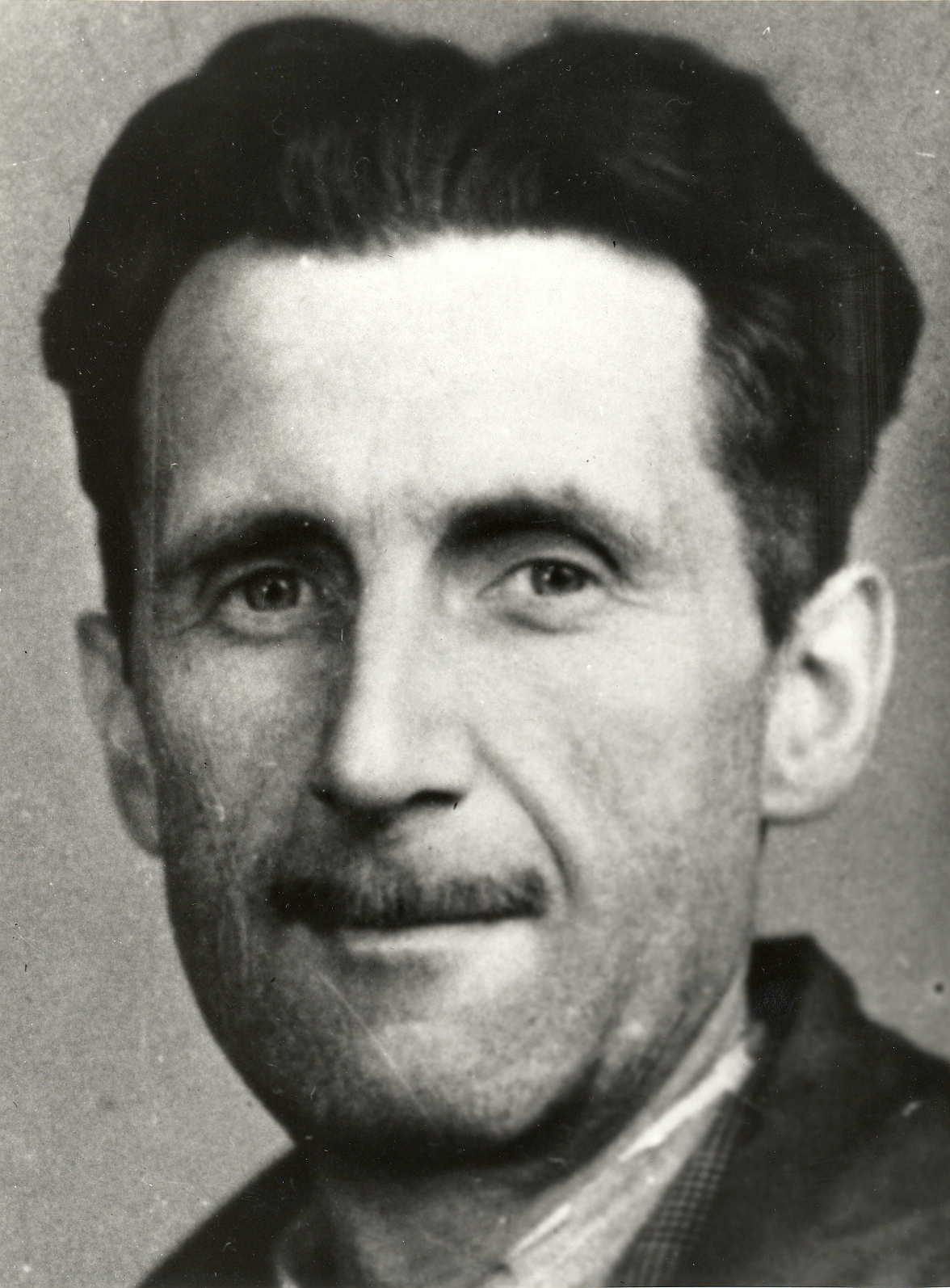
George Orwell
An English novelist, essayist, and critic whose dystopian works profoundly explored totalitarianism, surveillance, and the corruption of language.
Một tiểu thuyết gia, nhà tiểu luận và nhà phê bình người Anh, với các tác phẩm phản địa đàng đã khám phá sâu sắc chủ nghĩa toàn trị, giám sát và sự tha hóa của ngôn ngữ.
This biography of George Orwell helps you learn English through real historical stories. Explore George Orwell's impact on the world.
born1903
died1950
nationalityEnglish
known for1984, Animal Farm, and essays on politics
fieldliterature and political commentary
Key Takeaways from this Biography
- He was a staunch critic of imperialism and totalitarianism, fighting in the Spanish Civil WarÔng là một người chỉ trích mạnh mẽ chủ nghĩa đế quốc và chủ nghĩa toàn trị, từng chiến đấu trong Nội chiến Tây Ban Nha
- He wrote 'Animal Farm', a famous allegorical novella satirizing the Russian RevolutionÔng đã viết 'Trại súc vật', một cuốn tiểu thuyết ngụ ngôn nổi tiếng châm biếm Cách mạng Nga
- His dystopian novel '1984' warned against mass surveillance, censorship, and the manipulation of truthTiểu thuyết phản địa đàng '1984' của ông cảnh báo về sự giám sát hàng loạt, kiểm duyệt và thao túng sự thật
- He introduced enduring political terms like 'Big Brother' and 'Thought Police'Ông đã đưa ra những thuật ngữ chính trị sống mãi như 'Anh Cả' và 'Cảnh sát Tư tưởng'
Life Timeline
1903
Born Eric Arthur Blair in Motihari, IndiaSinh ra với tên Eric Arthur Blair ở Motihari, Ấn Độ
1933
Published his first full-length work, 'Down and Out in Paris and London'Xuất bản tác phẩm dài đầu tiên, 'Cảnh bần cùng ở Paris và London'
1936
Fought in the Spanish Civil War, deeply influencing his anti-totalitarian viewsChiến đấu trong Nội chiến Tây Ban Nha, ảnh hưởng sâu sắc đến quan điểm chống chủ nghĩa toàn trị của ông
1945
Published the allegorical novella 'Animal Farm'Xuất bản cuốn tiểu thuyết ngụ ngôn 'Trại súc vật'
1949
Published his dystopian masterpiece '1984'Xuất bản kiệt tác phản địa đàng '1984'
1950
Died of tuberculosis in LondonQua đời vì bệnh lao ở London
Biography Reading: George Orwell
background
George Orwell, born Eric Arthur Blair in 1903 in British India, was an English novelist, essayist, and critic. He was educated in England but chose to serve in the Imperial Police in Burma. Witnessing the oppressive reality of imperialism firsthand, he grew deeply disillusioned and resigned to become a writer. To understand the struggles of the poorest classes, he lived among vagrants and dishwashers, experiences he chronicled in his first book, "Down and Out in Paris and London," adopting his famous pen name to avoid embarrassing his family.
George Orwell, tên khai sinh là Eric Arthur Blair vào năm 1903 tại Ấn Độ thuộc Anh, là một tiểu thuyết gia, nhà viết tiểu luận và nhà phê bình người Anh. Ông được giáo dục ở Anh nhưng đã chọn phục vụ trong Lực lượng Cảnh sát Đế quốc ở Miến Điện. Khi tận mắt chứng kiến thực tế áp bức của chủ nghĩa đế quốc, ông trở nên vô cùng vỡ mộng và từ chức để trở thành một nhà văn. Để hiểu được những cuộc đấu tranh của các tầng lớp nghèo nhất, ông đã sống giữa những người lang thang và những người rửa bát, những trải nghiệm mà ông đã ghi lại trong cuốn sách đầu tiên của mình, "Đáy cùng ở Paris và London", lấy bút danh nổi tiếng để tránh làm gia đình bối rối.
achievement
Orwell's political awakening was further cemented when he fought against fascism in the Spanish Civil War. However, witnessing the brutal suppression of his comrades by Soviet-backed communists instilled in him a lifelong hatred of totalitarianism from both the extreme right and the extreme left. This profound ideological clarity birthed "Animal Farm" in 1945, a brilliant allegorical novella that used a farmyard rebellion to satirize the betrayal of the Russian Revolution and the rise of Stalinist dictatorship.
Sự thức tỉnh chính trị của Orwell được củng cố hơn nữa khi ông chiến đấu chống lại chủ nghĩa phát xít trong cuộc Nội chiến Tây Ban Nha. Tuy nhiên, việc chứng kiến sự đàn áp dã man đối với các đồng chí của mình bởi những người cộng sản do Liên Xô hậu thuẫn đã gieo vào ông lòng căm thù suốt đời đối với chủ nghĩa toàn trị từ cả phe cực hữu và cực tả. Sự sáng suốt về hệ tư tưởng sâu sắc này đã khai sinh ra "Trại súc vật" (Animal Farm) vào năm 1945, một cuốn tiểu thuyết ngụ ngôn xuất sắc sử dụng một cuộc nổi loạn ở nông trại để châm biếm sự phản bội của Cách mạng Nga và sự trỗi dậy của chế độ độc tài Stalin.
impact
In 1949, despite battling severe tuberculosis, Orwell published his magnum opus, "1984." This terrifying dystopian novel introduced concepts like "Big Brother," "Thought Police," and "Doublethink," serving as a timeless warning against mass surveillance, government censorship, and the manipulation of truth. Orwell died just months after its publication, but his penetrating insight into the relationship between language and power forever changed the political lexicon, making the adjective "Orwellian" a universal warning against oppressive regimes.
Năm 1949, bất chấp việc phải chiến đấu với căn bệnh lao nguy kịch, Orwell đã xuất bản kiệt tác của mình, "1984". Cuốn tiểu thuyết phản địa đàng đáng sợ này đã giới thiệu các khái niệm như "Anh Cả" (Big Brother), "Cảnh sát Tư tưởng" và "Tư duy Nước đôi" (Doublethink), đóng vai trò như một lời cảnh báo vượt thời gian chống lại sự giám sát hàng loạt, sự kiểm duyệt của chính phủ và việc thao túng sự thật. Orwell qua đời chỉ vài tháng sau khi tác phẩm được xuất bản, nhưng cái nhìn sâu sắc thấu đáo của ông về mối quan hệ giữa ngôn ngữ và quyền lực đã thay đổi vĩnh viễn từ vựng chính trị, biến tính từ "Orwellian" trở thành một lời cảnh báo phổ quát chống lại các chế độ áp bức.
Essential Vocabulary
dystopianphản địa đàng / phản utopia
relating to or denoting an imagined state or society where there is great suffering or injustice
liên quan đến hoặc biểu thị một trạng thái hoặc xã hội tưởng tượng nơi có sự đau khổ hoặc bất công lớn
totalitarianismchủ nghĩa toàn trị
a system of government that is centralized and dictatorial and requires complete subservience to the state
một hệ thống chính phủ tập trung và độc tài, đòi hỏi sự phục tùng hoàn toàn đối với nhà nước
imperialismchủ nghĩa đế quốc
a policy of extending a country's power and influence through diplomacy or military force
một chính sách mở rộng quyền lực và ảnh hưởng của một quốc gia thông qua ngoại giao hoặc lực lượng quân sự
allegoricalmang tính ngụ ngôn
constituting or containing an allegory; a story with a hidden meaning
cấu thành hoặc chứa đựng một câu chuyện ngụ ngôn; một câu chuyện có ý nghĩa ẩn giấu
surveillancesự giám sát
close observation, especially of a suspected spy or criminal
sự quan sát chặt chẽ, đặc biệt là đối với một điệp viên hoặc tội phạm bị tình nghi
censorshipsự kiểm duyệt
the suppression or prohibition of any parts of books, films, news, etc. that are considered politically unacceptable or a threat to security
sự đàn áp hoặc cấm đoán bất kỳ phần nào của sách, phim, tin tức, v.v. bị coi là không thể chấp nhận được về mặt chính trị hoặc là mối đe dọa đối với an ninh
Knowledge Check Quiz
FACTUAL1 / 4
What is the real name of the author known as George Orwell?
Flashcards
KNOWLEDGE
What was George Orwell's real name?
Eric Arthur Blair.
1 / 9