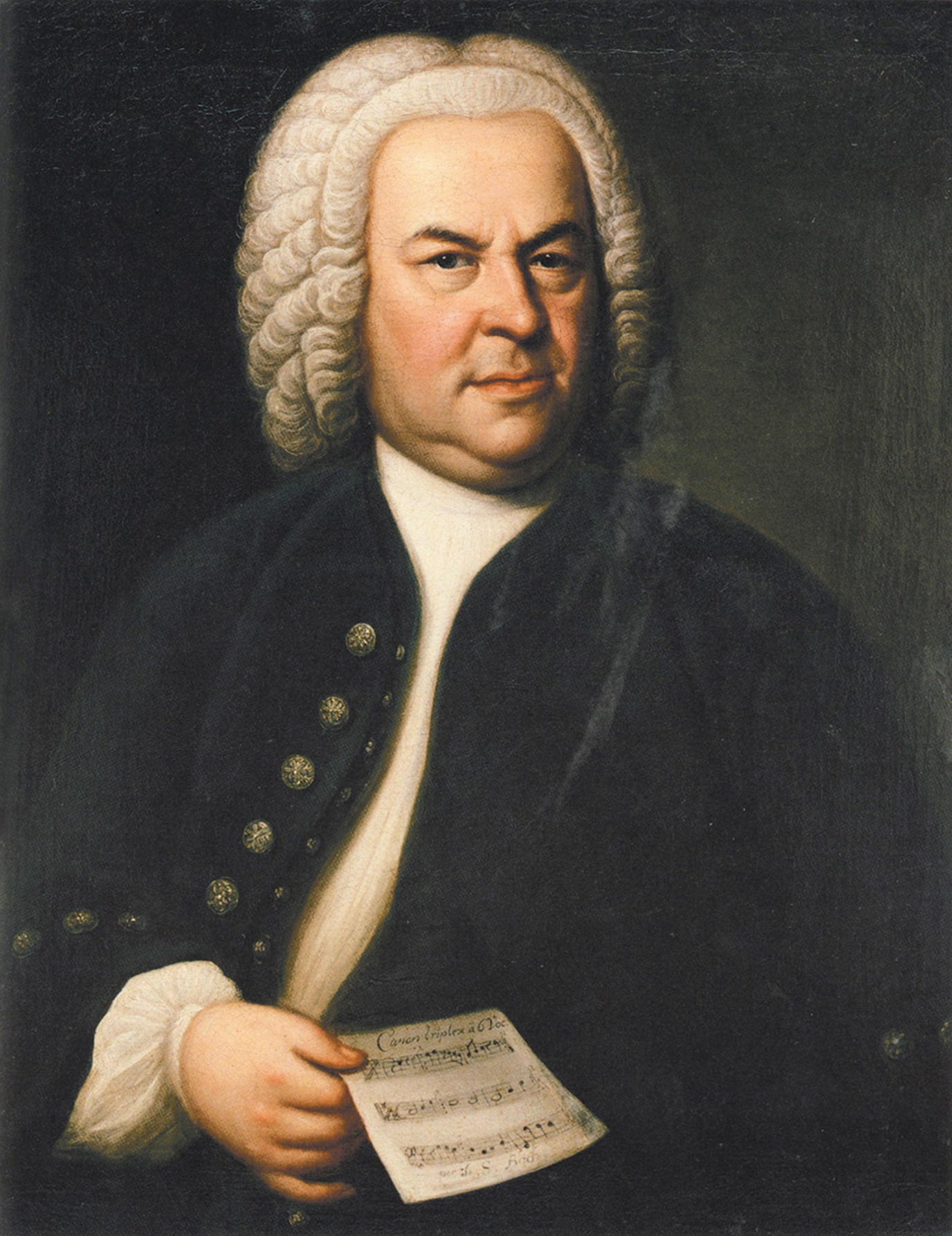
J.S. Bach
A towering figure of the Baroque period, Johann Sebastian Bach was a German composer and organist whose profound mastery of counterpoint represents the pinnacle of Western musical architecture.
Một nhân vật vĩ đại của thời kỳ Baroque, Johann Sebastian Bach là nhà soạn nhạc và nghệ sĩ organ người Đức, bậc thầy về đối âm đạt đến đỉnh cao của kiến trúc âm nhạc phương Tây.
This biography of J.S. Bach helps you learn English through real historical stories. Explore J.S. Bach's impact on the world.
born1685
died1750
nationalityGerman
known forThe Brandenburg Concertos, The Well-Tempered Clavier, and mastery of counterpoint
fieldmusic and composition
Key Takeaways from this Biography
- He is considered the master of the Baroque era and the 'father of Western music'Ông được coi là bậc thầy của thời kỳ Baroque và là 'cha đẻ của âm nhạc phương Tây'
- He was an unparalleled virtuoso organist and composed prolifically for the churchÔng là một nghệ sĩ đàn organ điêu luyện vô song và sáng tác rất nhiều cho nhà thờ
- His works, such as the Brandenburg Concertos, represent the pinnacle of counterpoint and harmonyCác tác phẩm của ông, chẳng hạn như Brandenburg Concertos, đại diện cho đỉnh cao của đối âm và hòa âm
- He did not invent new forms but perfected existing Baroque musical architecturesÔng không phát minh ra các hình thức mới mà hoàn thiện các cấu trúc âm nhạc Baroque hiện có
Life Timeline
1685
Born in Eisenach, GermanySinh ra ở Eisenach, Đức
1708
Appointed court organist in WeimarĐược bổ nhiệm làm nghệ sĩ đàn organ cung đình ở Weimar
1717
Moved to Köthen to serve as Kapellmeister (director of music)Chuyển đến Köthen để làm Kapellmeister (giám đốc âm nhạc)
1721
Dedicated the 'Brandenburg Concertos' to the Margrave of BrandenburgDành tặng 'Brandenburg Concertos' cho Bá tước phu quân của Brandenburg
1723
Appointed Thomaskantor in Leipzig, directing church musicĐược bổ nhiệm làm Thomaskantor ở Leipzig, chỉ đạo âm nhạc nhà thờ
1750
Died in Leipzig, leaving a colossal musical legacyQua đời ở Leipzig, để lại một di sản âm nhạc đồ sộ
Biography Reading: J.S. Bach
background
Johann Sebastian Bach was born in 1685 in Eisenach, Germany, into a massive and highly distinguished family of musicians. Orphaned at the age of ten, he was taken in by his older brother, who taught him to play the clavier and exposed him to contemporary music. Bach's insatiable thirst for musical knowledge led him to study, copy, and master the styles of leading European composers. He soon established himself as an unparalleled virtuoso organist and a brilliant, though sometimes stubborn, musical director.
Johann Sebastian Bach sinh năm 1685 tại Eisenach, Đức, trong một gia đình nhạc sĩ đồ sộ và vô cùng lỗi lạc. Mồ côi năm mười tuổi, ông được người anh trai nhận nuôi, người đã dạy ông chơi đàn clavichord và cho ông tiếp xúc với âm nhạc đương đại. Khát khao tri thức âm nhạc vô độ của Bach đã dẫn dắt ông nghiên cứu, sao chép và làm chủ các phong cách của những nhà soạn nhạc hàng đầu châu Âu. Ông sớm khẳng định mình là một nghệ sĩ đàn organ điêu luyện vô song và là một giám đốc âm nhạc xuất chúng, mặc dù đôi khi bướng bỉnh.
achievement
Throughout his career, Bach held various musical posts across Germany, serving in Weimar, Köthen, and finally Leipzig. During his time in Köthen, working for a prince who favored secular music, Bach composed some of his most famous instrumental works, including the "Brandenburg Concertos" and "The Well-Tempered Clavier." When he later moved to Leipzig as the Thomaskantor, his focus shifted heavily to sacred music, composing hundreds of complex, deeply spiritual cantatas, passions, and masses intended for weekly church services.
Trong suốt sự nghiệp của mình, Bach đã giữ nhiều chức vụ âm nhạc khác nhau trên khắp nước Đức, phục vụ ở Weimar, Köthen, và cuối cùng là Leipzig. Trong thời gian ở Köthen, làm việc cho một vị vương công ưa chuộng âm nhạc thế tục, Bach đã sáng tác một số tác phẩm khí nhạc nổi tiếng nhất của mình, bao gồm "Brandenburg Concertos" và "The Well-Tempered Clavier" (Bình quân luật). Khi chuyển đến Leipzig sau này với tư cách là người chỉ huy dàn nhạc nhà thờ (Thomaskantor), trọng tâm của ông chuyển mạnh sang thánh ca, sáng tác hàng trăm bản cantata, khúc thương khó và thánh lễ phức tạp, mang đậm tính tâm linh dành cho các buổi lễ nhà thờ hàng tuần.
impact
Bach's ultimate genius lay in his absolute mastery of counterpoint—the intricate art of weaving multiple independent melodies together simultaneously—and his sophisticated understanding of harmonic organization. Unlike Beethoven or Mozart, Bach did not invent new musical forms; rather, he brought the existing forms of the Baroque era to their absolute peak of perfection. Although his music was considered old-fashioned by the time of his death in 1750, a major revival in the 19th century restored his reputation. Today, Bach is universally revered as the "father of Western music," whose mathematical precision and profound emotional depth continue to challenge and inspire musicians of all genres.
Thiên tài tối thượng của Bach nằm ở sự thông thạo tuyệt đối về đối âm—nghệ thuật phức tạp của việc đan xen nhiều giai điệu độc lập cùng một lúc—và sự hiểu biết tinh vi của ông về tổ chức hòa âm. Không giống như Beethoven hay Mozart, Bach không phát minh ra các hình thức âm nhạc mới; thay vào đó, ông đã đưa các hình thức hiện có của thời kỳ Baroque lên đỉnh cao hoàn mỹ tuyệt đối. Mặc dù âm nhạc của ông bị coi là lỗi thời vào thời điểm ông qua đời năm 1750, một sự phục hưng lớn vào thế kỷ 19 đã khôi phục lại danh tiếng của ông. Ngày nay, Bach được toàn thế giới tôn kính là "cha đẻ của âm nhạc phương Tây", người có độ chính xác toán học và chiều sâu cảm xúc sâu sắc tiếp tục thử thách và truyền cảm hứng cho các nhạc sĩ ở mọi thể loại.
Essential Vocabulary
counterpointđối âm
the art or technique of setting, writing, or playing a melody or melodies in conjunction with another
nghệ thuật hoặc kỹ thuật thiết lập, viết hoặc chơi một hoặc nhiều giai điệu kết hợp với một giai điệu khác
pinnacleđỉnh cao
the most successful point; the culmination
điểm thành công nhất; đỉnh điểm
secularthế tục
denoting attitudes, activities, or other things that have no religious or spiritual basis
biểu thị các thái độ, hoạt động hoặc những thứ khác không có cơ sở tôn giáo hoặc tâm linh
sacredthần thánh / thánh ca
connected with God or dedicated to a religious purpose
kết nối với Chúa hoặc dành riêng cho một mục đích tôn giáo
intricatephức tạp
very complicated or detailed
rất phức tạp hoặc chi tiết
revivalsự phục hưng
an improvement in the condition or strength of something
sự cải thiện trong tình trạng hoặc sức mạnh của một cái gì đó
Knowledge Check Quiz
FACTUAL1 / 4
Which famous set of concertos did Bach compose while working in Köthen?
Flashcards
KNOWLEDGE
Who is often called the 'father of Western music' and the master of the Baroque period?
Johann Sebastian Bach.
1 / 9