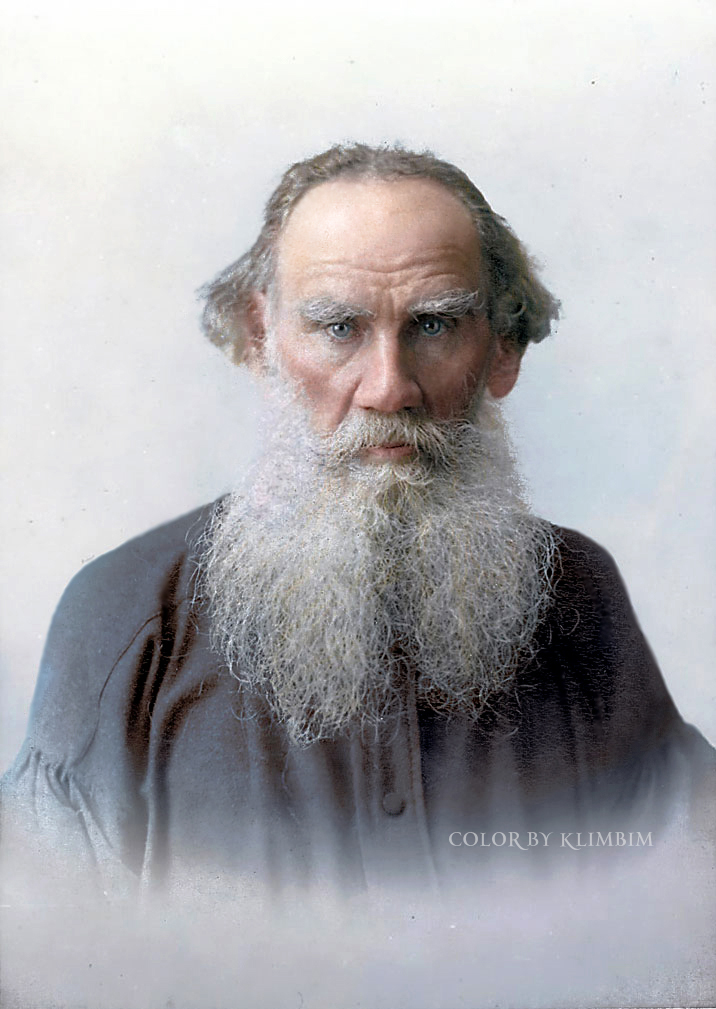
Leo Tolstoy
A Russian writer and philosopher widely regarded as one of the greatest novelists of all time, famous for his epic works of realist fiction.
Một nhà văn và triết gia người Nga, được xem là một trong những tiểu thuyết gia vĩ đại nhất mọi thời đại, nổi tiếng với các tác phẩm hiện thực sử thi.
This biography of Leo Tolstoy helps you learn English through real historical stories. Explore Leo Tolstoy's impact on the world.
born1828
died1910
nationalityRussian
known forWar and Peace, Anna Karenina, and Christian pacifism
fieldliterature and philosophy
Key Takeaways from this Biography
- He wrote two of world literature's greatest masterpieces: War and Peace and Anna KareninaÔng đã viết hai trong số những kiệt tác vĩ đại nhất của văn học thế giới: Chiến tranh và Hòa bình và Anna Karenina
- His harrowing experiences in the Crimean War shaped his lifelong hatred of violenceNhững trải nghiệm kinh hoàng của ông trong Chiến tranh Crimea đã định hình sự căm ghét bạo lực suốt đời của ông
- He is considered a master of realist fiction, known for deep psychological character developmentÔng được coi là một bậc thầy của tiểu thuyết hiện thực, nổi tiếng với việc phát triển tâm lý nhân vật sâu sắc
- In his later years, he became a radical Christian pacifist, inspiring figures like Mahatma GandhiTrong những năm cuối đời, ông trở thành một người theo chủ nghĩa hòa bình Cơ đốc giáo cấp tiến, truyền cảm hứng cho các nhân vật như Mahatma Gandhi
Life Timeline
1828
Born at the Yasnaya Polyana estate in the Russian EmpireSinh ra tại điền trang Yasnaya Polyana ở Đế quốc Nga
1852
Published his first novel, 'Childhood'Xuất bản tiểu thuyết đầu tiên của mình, 'Thời thơ ấu'
1869
Published his epic masterpiece, 'War and Peace'Xuất bản kiệt tác sử thi 'Chiến tranh và Hòa bình'
1877
Published his acclaimed tragic novel, 'Anna Karenina'Xuất bản tiểu thuyết bi kịch nổi tiếng 'Anna Karenina'
1880s
Experienced a profound moral crisis and embraced Christian pacifismTrải qua một cuộc khủng hoảng đạo đức sâu sắc và đi theo chủ nghĩa hòa bình Cơ đốc giáo
1910
Died of pneumonia at the Astapovo railway station after fleeing his homeQua đời vì bệnh viêm phổi tại ga xe lửa Astapovo sau khi trốn khỏi nhà
Biography Reading: Leo Tolstoy
background
Count Lev Nikolayevich Tolstoy was born in 1828 into an aristocratic Russian family at their estate of Yasnaya Polyana. After dropping out of university and racking up heavy gambling debts, he joined the army and served in the Crimean War. His harrowing experiences on the battlefield profoundly shaped his understanding of human suffering and the brutal realities of violence. He began writing during this time, achieving early literary success with his semi-autobiographical trilogy, "Childhood, Boyhood, and Youth."
Bá tước Lev Nikolayevich Tolstoy sinh năm 1828 trong một gia đình quý tộc Nga tại điền trang Yasnaya Polyana của họ. Sau khi bỏ học đại học và gánh những khoản nợ cờ bạc nặng nề, ông gia nhập quân đội và phục vụ trong Chiến tranh Crimea. Những trải nghiệm kinh hoàng của ông trên chiến trường đã định hình sâu sắc sự hiểu biết của ông về nỗi đau khổ của con người và thực tế tàn bạo của bạo lực. Ông bắt đầu viết lách trong thời gian này, đạt được thành công văn học ban đầu với bộ ba tiểu thuyết bán tự truyện, "Thời thơ ấu, Thời niên thiếu và Tuổi trẻ".
achievement
Tolstoy's literary genius reached its absolute peak with the publication of his two monumental masterpieces: "War and Peace" (1869) and "Anna Karenina" (1877). "War and Peace" is a massive, sweeping epic that intertwines the lives of several aristocratic families against the backdrop of Napoleon's invasion of Russia. "Anna Karenina," opening with the famous line "Happy families are all alike; every unhappy family is unhappy in its own way," is a tragic exploration of love, hypocrisy, and social constraints. Both works are universally hailed as pinnacles of realist fiction, celebrated for their psychological depth and intricate character development.
Thiên tài văn học của Tolstoy đã đạt đến đỉnh cao tuyệt đối với việc xuất bản hai kiệt tác vĩ đại của mình: "Chiến tranh và Hòa bình" (1869) và "Anna Karenina" (1877). "Chiến tranh và Hòa bình" là một bản hùng ca đồ sộ, hoành tráng đan xen cuộc đời của một số gia đình quý tộc trong bối cảnh cuộc xâm lược nước Nga của Napoléon. "Anna Karenina", mở đầu bằng câu nói nổi tiếng "Mọi gia đình hạnh phúc đều giống nhau; mỗi gia đình bất hạnh lại bất hạnh theo một cách riêng", là một cuộc khám phá bi thảm về tình yêu, sự đạo đức giả và những ràng buộc xã hội. Cả hai tác phẩm đều được ca ngợi trên toàn cầu là những đỉnh cao của tiểu thuyết hiện thực, được tôn vinh vì chiều sâu tâm lý và sự phát triển nhân vật phức tạp.
impact
Despite his immense fame and wealth, Tolstoy experienced a profound moral and spiritual crisis in his later years. He rejected his aristocratic lifestyle and the Russian Orthodox Church, instead embracing a radical form of Christian anarchism and pacifism. He advocated for asceticism, non-violent resistance, and solidarity with the peasantry. His philosophical writings on non-violence profoundly inspired 20th-century leaders like Mahatma Gandhi and Martin Luther King Jr. In 1910, at the age of 82, he fled his estate to live as a wandering ascetic but tragically died of pneumonia at a remote railway station.
Bất chấp danh tiếng và sự giàu có to lớn của mình, Tolstoy đã trải qua một cuộc khủng hoảng đạo đức và tinh thần sâu sắc trong những năm cuối đời. Ông chối bỏ lối sống quý tộc của mình và Giáo hội Chính thống giáo Nga, thay vào đó đi theo một hình thức cấp tiến của chủ nghĩa vô chính phủ và chủ nghĩa hòa bình Cơ đốc giáo. Ông ủng hộ lối sống khổ hạnh, phản kháng phi bạo lực và sự đoàn kết với tầng lớp nông dân. Những bài viết triết học của ông về phi bạo lực đã truyền cảm hứng sâu sắc cho các nhà lãnh đạo thế kỷ 20 như Mahatma Gandhi và Martin Luther King Jr. Năm 1910, ở tuổi 82, ông trốn khỏi điền trang của mình để sống như một người khổ hạnh lang thang nhưng đã bi thảm qua đời vì bệnh viêm phổi tại một nhà ga xe lửa hẻo lánh.
Essential Vocabulary
aristocraticthuộc dòng dõi quý tộc
belonging to, having the qualities of, or favoring the aristocracy
thuộc về, có phẩm chất của, hoặc ủng hộ tầng lớp quý tộc
harrowingkinh hoàng / đau lòng
acutely distressing or painful
cực kỳ đau buồn hoặc đau đớn
hypocrisysự đạo đức giả
the practice of claiming to have moral standards or beliefs to which one's own behavior does not conform
việc tuyên bố có các tiêu chuẩn hoặc niềm tin đạo đức mà hành vi của chính mình không tuân theo
pacifismchủ nghĩa hòa bình
the belief that any violence, including war, is unjustifiable under any circumstances
niềm tin rằng bất kỳ bạo lực nào, kể cả chiến tranh, đều không thể biện minh được trong bất kỳ hoàn cảnh nào
asceticismchủ nghĩa khổ hạnh
severe self-discipline and avoidance of all forms of indulgence
sự tự kỷ luật khắt khe và tránh mọi hình thức hưởng lạc
anarchismchủ nghĩa vô chính phủ
belief in the abolition of all government and the organization of society on a voluntary, cooperative basis
niềm tin vào việc bãi bỏ mọi chính phủ và tổ chức xã hội trên cơ sở tự nguyện, hợp tác
Knowledge Check Quiz
FACTUAL1 / 4
Which of Leo Tolstoy's novels intertwines the lives of aristocratic families during Napoleon's invasion of Russia?
Flashcards
KNOWLEDGE
Who wrote the masterpieces 'War and Peace' and 'Anna Karenina'?
Leo Tolstoy.
1 / 9