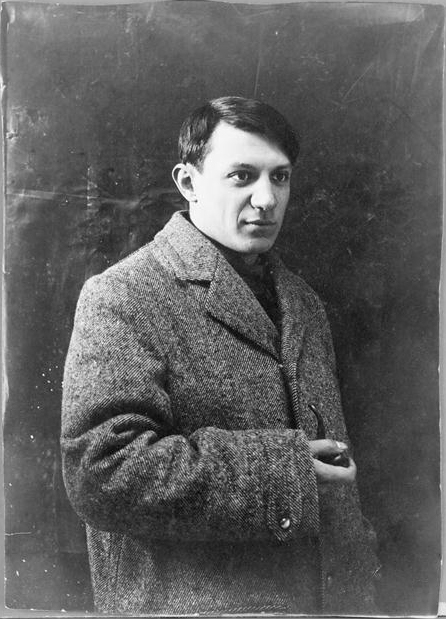
Pablo Picasso
A prolific Spanish painter and sculptor who co-founded the Cubist movement and profoundly revolutionized modern art in the 20th century.
Một họa sĩ và nhà điêu khắc người Tây Ban Nha với sức sáng tạo dồi dào, đồng sáng lập phong trào Lập thể và cách mạng hóa nghệ thuật hiện đại thế kỷ 20.
This biography of Pablo Picasso helps you learn English through real historical stories. Explore Pablo Picasso's impact on the world.
born1881
died1973
nationalitySpanish
known forco-founding Cubism, Guernica, Les Demoiselles d'Avignon
fieldart and painting
Key Takeaways from this Biography
- He co-founded Cubism, breaking subjects into geometric shapes from multiple viewpointsÔng đồng sáng lập Chủ nghĩa Lập thể, chia nhỏ các đối tượng thành các khối hình học từ nhiều góc nhìn
- His early works are categorized into the somber Blue Period and the warmer Rose PeriodCác tác phẩm ban đầu của ông được phân loại thành Thời kỳ Xanh u buồn và Thời kỳ Hồng ấm áp hơn
- He painted 'Guernica', one of the most famous anti-war paintings in historyÔng đã vẽ 'Guernica', một trong những bức tranh phản chiến nổi tiếng nhất trong lịch sử
- He was wildly prolific, creating an estimated 50,000 artworks over his long lifetimeÔng sáng tác cực kỳ sung sức, tạo ra ước tính 50.000 tác phẩm nghệ thuật trong suốt cuộc đời dài của mình
Life Timeline
1881
Born in Málaga, SpainSinh ra ở Málaga, Tây Ban Nha
1901-1904
The Blue Period, characterized by somber paintingsThời kỳ Xanh, đặc trưng bởi những bức tranh u ám
1907
Painted 'Les Demoiselles d'Avignon', a precursor to CubismVẽ bức 'Những cô gái Avignon', tiền thân của chủ nghĩa Lập thể
1937
Painted 'Guernica' in response to the bombing of the Basque townVẽ bức 'Guernica' để phản đối vụ ném bom thị trấn xứ Basque
1973
Died in Mougins, FranceQua đời ở Mougins, Pháp
Biography Reading: Pablo Picasso
background
Pablo Picasso was born in 1881 in Málaga, Spain. A recognized child prodigy, he mastered classical painting techniques at a very young age before moving to Paris, the epicenter of the European art world. His early career is famously divided into the "Blue Period," characterized by somber, monochromatic paintings depicting the poor and marginalized, and the slightly warmer "Rose Period," which featured circus performers and acrobats.
Pablo Picasso sinh năm 1881 tại Málaga, Tây Ban Nha. Được công nhận là một thần đồng từ nhỏ, ông đã thành thạo các kỹ thuật hội họa cổ điển ở độ tuổi rất trẻ trước khi chuyển đến Paris, trung tâm của thế giới nghệ thuật châu Âu. Sự nghiệp ban đầu của ông nổi tiếng được chia thành "Thời kỳ Xanh", đặc trưng bởi những bức tranh đơn sắc, u buồn khắc họa những người nghèo khổ và bị gạt ra ngoài lề xã hội, và "Thời kỳ Hồng" ấm áp hơn một chút, có hình ảnh những người biểu diễn xiếc và nhào lộn.
achievement
Unwilling to be confined by traditional realism, Picasso, alongside Georges Braque, co-founded "Cubism" around 1907. This revolutionary artistic movement dismantled the rules of perspective, breaking objects and figures down into geometric shapes and reassembling them from multiple viewpoints simultaneously. His groundbreaking 1907 masterpiece, "Les Demoiselles d'Avignon," shocked the art world and fundamentally altered the trajectory of modern art, paving the way for abstract expressionism.
Không cam chịu bị bó buộc bởi chủ nghĩa hiện thực truyền thống, Picasso, cùng với Georges Braque, đã đồng sáng lập ra "Chủ nghĩa Lập thể" (Cubism) vào khoảng năm 1907. Phong trào nghệ thuật mang tính cách mạng này đã phá vỡ các quy tắc về phối cảnh, chia nhỏ các vật thể và hình dáng thành các khối hình học và lắp ráp lại chúng từ nhiều góc nhìn cùng một lúc. Kiệt tác đột phá năm 1907 của ông, "Những cô gái Avignon", đã gây chấn động thế giới nghệ thuật và thay đổi căn bản quỹ đạo của nghệ thuật hiện đại, mở đường cho chủ nghĩa biểu hiện trừu tượng.
impact
Picasso's art also served as a powerful political statement. In 1937, responding to the horrific bombing of a Basque town during the Spanish Civil War, he painted "Guernica." This massive, chaotic canvas remains one of the most moving and powerful anti-war paintings in history. Remaining relentlessly creative until his death in 1973, Picasso produced an estimated 50,000 artworks, including paintings, sculptures, ceramics, and drawings, cementing his status as arguably the most influential artist of the 20th century.
Nghệ thuật của Picasso cũng đóng vai trò như một tuyên ngôn chính trị mạnh mẽ. Năm 1937, để phản ứng lại vụ ném bom kinh hoàng vào một thị trấn của người Basque trong Nội chiến Tây Ban Nha, ông đã vẽ bức "Guernica". Bức tranh khổng lồ, hỗn loạn này vẫn là một trong những tác phẩm phản chiến cảm động và mạnh mẽ nhất trong lịch sử. Không ngừng sáng tạo cho đến khi qua đời vào năm 1973, Picasso đã tạo ra ước tính khoảng 50.000 tác phẩm nghệ thuật, bao gồm tranh vẽ, tượng điêu khắc, đồ gốm và bản vẽ, củng cố vững chắc vị thế của ông là nghệ sĩ có ảnh hưởng nhất của thế kỷ 20.
Essential Vocabulary
monochromaticđơn sắc
containing or using only one color
chỉ chứa hoặc sử dụng một màu
marginalizedbị gạt ra ngoài lề xã hội
treated as insignificant or peripheral
bị coi là không quan trọng hoặc bị đẩy ra ngoài lề
dismantlephá vỡ / tháo dỡ
to take a machine or structure to pieces; to deconstruct
tháo một cỗ máy hoặc cấu trúc thành từng mảnh; giải cấu trúc / phá vỡ
trajectoryquỹ đạo
the path followed by a projectile or the development of something over time
đường đi của một vật thể bay hoặc sự phát triển của một cái gì đó theo thời gian
canvasbức tranh sơn dầu / toan vẽ
a strong, coarse unbleached cloth made from hemp, flax, or yarn, used for oil painting
một loại vải thô, chưa tẩy trắng được làm từ gai dầu, lanh hoặc sợi, được sử dụng để vẽ tranh sơn dầu
prolificviết nhiều / sáng tác nhiều / sung sức
producing many works
sáng tác / tạo ra nhiều tác phẩm
Knowledge Check Quiz
FACTUAL1 / 4
Which artistic movement did Pablo Picasso co-found with Georges Braque?
Flashcards
KNOWLEDGE
What revolutionary art movement did Pablo Picasso co-found?
Cubism.
1 / 9