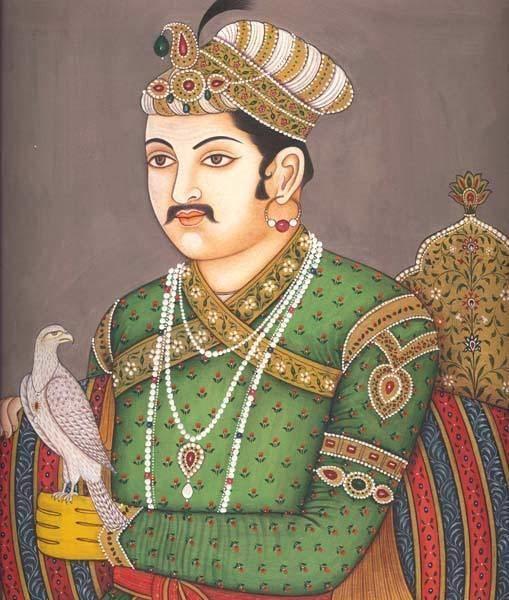
Akbar
The third Mughal Emperor who expanded the empire across the Indian subcontinent and is celebrated for his policy of religious tolerance and cultural integration.
Hoàng đế thứ ba của Đế chế Mughal, người đã mở rộng đế chế khắp tiểu lục địa Ấn Độ và nổi tiếng với chính sách khoan dung tôn giáo và hội nhập văn hóa.
This biography of Akbar helps you learn English through real historical stories. Explore Akbar's impact on the world.
born1542
died1605
nationalityMughal
known forCreating a centralized administrative system and promoting religious harmony
fieldpolitics and empire building
Key Takeaways from this Biography
- He expanded the Mughal Empire to cover most of the Indian subcontinentÔng đã mở rộng Đế chế Mughal bao phủ hầu hết tiểu lục địa Ấn Độ
- He abolished discriminatory taxes and promoted unprecedented religious toleranceÔng bãi bỏ các loại thuế phân biệt đối xử và thúc đẩy sự bao dung tôn giáo chưa từng có
- He created the 'Mansabdari' system to centralize administrative and military powerÔng tạo ra hệ thống 'Mansabdari' để tập trung quyền lực hành chính và quân sự
- He was a patron of the arts, fostering a unique blend of Persian and Indian culturesÔng là nhà bảo trợ nghệ thuật, thúc đẩy sự pha trộn độc đáo giữa văn hóa Ba Tư và Ấn Độ
Life Timeline
1542
Born in Umarkot, Sindh (now Pakistan)Sinh ra ở Umarkot, Sindh (nay là Pakistan)
1556
Ascended to the throne at the age of 13Lên ngôi ở tuổi 13
1571
Founded the new capital city, Fatehpur SikriThành lập thủ đô mới, Fatehpur Sikri
1579
Issued the Mazhar Decree, making him the supreme arbiter in religious mattersBan hành Sắc lệnh Mazhar, đưa ông trở thành trọng tài tối cao trong các vấn đề tôn giáo
1582
Introduced 'Din-i-Ilahi,' a syncretic religion intended to bridge faithsGiới thiệu 'Din-i-Ilahi,' một tôn giáo hỗn hợp nhằm làm cầu nối giữa các đức tin
1605
Died in AgraQua đời ở Agra
Biography Reading: Akbar
background
Akbar was born in 1542 while his father, Humayun, was in exile. He became emperor at the age of 13 and, under the guidance of his regent Bairam Khan, began a series of military campaigns that would eventually consolidate Mughal power across nearly all of the Indian subcontinent. Unlike his predecessors, Akbar realized that a lasting empire in India required the support of its diverse Hindu majority. He abolished the 'jizya' tax on non-Muslims and invited scholars of all faiths to debate at his court, fostering a unique intellectual environment.
Akbar sinh năm 1542 khi cha ông, Humayun, đang sống lưu vong. Ông trở thành hoàng đế năm 13 tuổi và dưới sự hướng dẫn của nhiếp chính vương Bairam Khan, ông đã bắt đầu một loạt chiến dịch quân sự cuối cùng đã củng cố quyền lực của Mughal trên khắp tiểu lục địa Ấn Độ. Không giống như những người tiền nhiệm, Akbar nhận ra rằng một đế chế lâu dài ở Ấn Độ cần sự ủng hộ của đa số người theo đạo Hindu đa dạng. Ông đã bãi bỏ thuế 'jizya' đối với những người không theo đạo Hồi và mời các học giả thuộc mọi đức tin đến tranh luận tại triều đình của mình, thúc đẩy một môi trường trí tuệ độc đáo.
achievement
Akbar's domestic reforms were as significant as his conquests. He established the 'Mansabdari' system, a centralized administrative structure that organized the aristocracy and ensured military readiness. Culturally, he was a great patron of the arts, overseeing the fusion of Persian and Indian styles in architecture and painting. His most ambitious project was 'Din-i-Ilahi' (Divine Faith), an ethical system that blended elements of Islam, Hinduism, Zoroastrianism, and Christianity, aimed at unifying his subjects under a single moral code.
Những cải cách đối nội của Akbar cũng quan trọng như những cuộc chinh phạt của ông. Ông đã thiết lập hệ thống 'Mansabdari', một cấu trúc hành chính tập quyền nhằm tổ chức tầng lớp quý tộc và đảm bảo sự sẵn sàng quân sự. Về mặt văn hóa, ông là một nhà bảo trợ nghệ thuật lớn, giám sát sự giao thoa giữa phong cách Ba Tư và Ấn Độ trong kiến trúc và hội họa. Dự án tham vọng nhất của ông là 'Din-i-Ilahi' (Đức tin Thiêng liêng), một hệ thống đạo đức pha trộn các yếu tố của Hồi giáo, Ấn Độ giáo, Hỏa giáo và Kitô giáo, nhằm mục đích thống nhất thần dân của mình dưới một quy tắc đạo đức duy nhất.
impact
By the time of his death in 1605, Akbar had transformed the Mughal state into one of the wealthiest and most sophisticated empires in the world. He is remembered not just as a conqueror, but as a visionary statesman who practiced 'Sulh-i-kul' (universal peace). His reign left an indelible mark on Indian history, setting a standard for pluralism and inclusive governance. His grand capital, Fatehpur Sikri, stands today as a magnificent stone testament to his dream of a united and harmonious India.
Vào thời điểm ông qua đời năm 1605, Akbar đã biến quốc gia Mughal thành một trong những đế chế giàu có và tinh vi nhất thế giới. Ông được nhớ đến không chỉ là một kẻ chinh phục, mà còn là một nhà quân trị có tầm nhìn xa trông rộng, người đã thực hành 'Sulh-i-kul' (hòa bình phổ quát). Triều đại của ông đã để lại dấu ấn không thể phai mờ trong lịch sử Ấn Độ, thiết lập một tiêu chuẩn cho sự đa nguyên và quản trị bao trùm. Thủ đô tráng lệ của ông, Fatehpur Sikri, ngày nay đứng vững như một minh chứng bằng đá lộng lẫy cho giấc mơ về một Ấn Độ thống nhất và hòa hợp.
Essential Vocabulary
syncretichòa hợp / dung hợp
combining different beliefs, while blending practices of various schools of thought
kết hợp các niềm tin khác nhau, đồng thời pha trộn các thực hành của các trường phái tư tưởng khác nhau
regentnhiếp chính vương
a person appointed to administer a country because the monarch is a minor or is absent
người được bổ nhiệm để quản lý một quốc gia vì quân chủ còn nhỏ hoặc vắng mặt
predecessorngười tiền nhiệm
a person who held a job or office before the current holder
người đã giữ một công việc hoặc chức vụ trước người giữ hiện tại
pluralismsự đa nguyên
a condition in which two or more states, groups, or principles coexist
một điều kiện trong đó hai hoặc nhiều trạng thái, nhóm hoặc nguyên tắc cùng tồn tại
aristocracytầng lớp quý tộc
the highest class in certain societies, especially those holding hereditary titles or offices
tầng lớp cao nhất trong một số xã hội nhất định, đặc biệt là những người nắm giữ các tước hiệu hoặc chức vụ cha truyền con nối
testamentminh chứng / di chúc
something that serves as a sign or evidence of a specified fact, event, or quality
thứ gì đó đóng vai trò như một dấu hiệu hoặc bằng chứng về một sự thật, sự kiện hoặc phẩm chất cụ thể
Knowledge Check Quiz
FACTUAL1 / 4
What was the name of the syncretic religion introduced by Akbar to unify his diverse subjects?
Flashcards
KNOWLEDGE
Who was the third Mughal Emperor known for his policy of religious tolerance?
Akbar the Great.
1 / 9