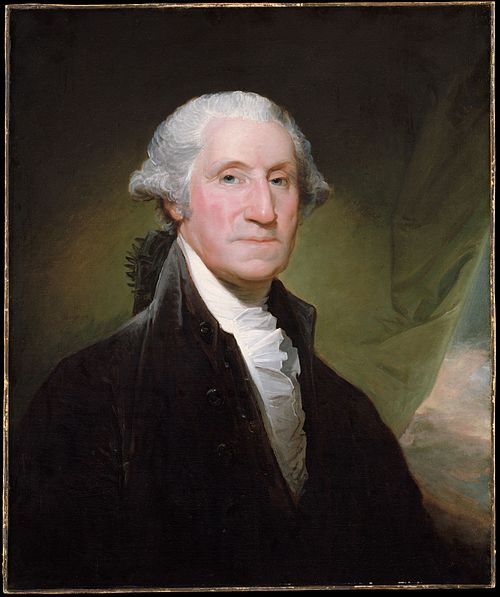
George Washington
The first President of the United States, Commander of the Continental Army during the Revolutionary War, and a Founding Father who set enduring precedents for the American presidency.
Tổng thống đầu tiên của Hoa Kỳ, Tổng tư lệnh Quân đội Lục địa trong Chiến tranh Cách mạng và là một trong những người lập quốc đã thiết lập các tiền lệ bền vững cho chức vụ tổng thống Mỹ.
This biography of George Washington helps you learn English through real historical stories. Explore George Washington's impact on the world.
born1732
died1799
nationalityAmerican
known forLeading the Continental Army and being the first US President
fieldpolitics and military leadership
Key Takeaways from this Biography
- He commanded the Continental Army to victory in the American Revolutionary WarÔng đã chỉ huy Lục quân Lục địa đến chiến thắng trong Chiến tranh Cách mạng Hoa Kỳ
- He set a profound democratic example by voluntarily resigning his military commission after the warÔng đã nêu một tấm gương dân chủ sâu sắc bằng cách tự nguyện từ chức chỉ huy quân sự sau chiến tranh
- He was unanimously elected as the first President of the United States in 1789Ông được nhất trí bầu làm Tổng thống đầu tiên của Hoa Kỳ vào năm 1789
- He established the enduring precedent of a president stepping down after serving two termsÔng đã thiết lập tiền lệ lâu dài về việc một tổng thống từ chức sau khi phục vụ hai nhiệm kỳ
Life Timeline
1732
Born in Westmoreland County, VirginiaSinh ra ở Quận Westmoreland, Virginia
1775
Appointed Commander of the Continental ArmyĐược bổ nhiệm làm Tổng tư lệnh Quân đội Lục địa
1781
Secured the decisive victory at the Siege of YorktownGiành chiến thắng quyết định trong Cuộc vây hãm Yorktown
1787
Presided over the Constitutional ConventionChủ trì Hội nghị Lập hiến
1789
Inaugurated as the first President of the United StatesNhậm chức Tổng thống đầu tiên của Hoa Kỳ
1797
Voluntarily stepped down after two terms, setting a crucial precedentTự nguyện từ chức sau hai nhiệm kỳ, tạo ra một tiền lệ quan trọng
1799
Died at Mount Vernon, VirginiaQua đời ở Mount Vernon, Virginia
Biography Reading: George Washington
background
George Washington was born in 1732 into a prosperous Virginia planter family. Before entering the political theater, he gained valuable military experience serving as an officer in the French and Indian War. When the American colonies erupted in rebellion against British rule, the Second Continental Congress unanimously appointed him as the Commander-in-Chief of the newly formed Continental Army in 1775. Despite facing a severe lack of supplies, harsh winters, and a highly trained enemy, Washington's resilience and strategic retreats kept the American cause alive.
George Washington sinh năm 1732 trong một gia đình chủ đồn điền thịnh vượng ở Virginia. Trước khi bước vào vũ đài chính trị, ông đã có được kinh nghiệm quân sự quý giá khi phục vụ với tư cách là một sĩ quan trong Chiến tranh Pháp và người da đỏ. Khi các thuộc địa Mỹ bùng nổ cuộc nổi dậy chống lại sự cai trị của Anh, Đệ nhị Lục địa hội nghị đã nhất trí bổ nhiệm ông làm Tổng tư lệnh của Lục quân Lục địa mới được thành lập vào năm 1775. Bất chấp việc phải đối mặt với tình trạng thiếu hụt nguồn cung cấp trầm trọng, những mùa đông khắc nghiệt và một kẻ thù được huấn luyện bài bản, sự kiên cường và những cuộc rút lui chiến lược của Washington đã giữ cho sự nghiệp của nước Mỹ tồn tại.
achievement
His military leadership culminated in the decisive victory at the Siege of Yorktown in 1781, effectively ending the Revolutionary War and securing American independence. Following the war, Washington did something truly revolutionary for his time: instead of seizing absolute power like a king or dictator, he voluntarily resigned his military commission and returned to his farm at Mount Vernon. This profound act of surrendering power established the foundational American ideal of civilian control over the military and cemented his status as a national hero.
Sự lãnh đạo quân sự của ông đã lên đến đỉnh điểm với chiến thắng quyết định tại Cuộc vây hãm Yorktown vào năm 1781, chấm dứt hiệu quả Chiến tranh Cách mạng và đảm bảo nền độc lập của nước Mỹ. Sau chiến tranh, Washington đã làm một điều thực sự mang tính cách mạng so với thời đại của ông: thay vì nắm giữ quyền lực tuyệt đối như một vị vua hay kẻ độc tài, ông đã tự nguyện từ chức chỉ huy quân sự và trở về trang trại của mình ở Mount Vernon. Hành động từ bỏ quyền lực sâu sắc này đã thiết lập nên lý tưởng nền tảng của nước Mỹ về sự kiểm soát của dân sự đối với quân đội và củng cố vị thế anh hùng dân tộc của ông.
impact
Washington was reluctantly called back into public service to preside over the Constitutional Convention in 1787. In 1789, he was unanimously elected as the first President of the United States. During his presidency, he established many enduring precedents, including the formation of the presidential cabinet and the two-term limit, which he set by voluntarily stepping down in 1797. In his famous Farewell Address, he warned the young nation against the dangers of political factions and foreign entanglements. He died in 1799, forever remembered as the "Father of His Country."
Washington đã miễn cưỡng được gọi trở lại phục vụ công chúng để chủ trì Hội nghị Lập hiến vào năm 1787. Năm 1789, ông được nhất trí bầu làm Tổng thống đầu tiên của Hoa Kỳ. Trong nhiệm kỳ tổng thống của mình, ông đã thiết lập nhiều tiền lệ lâu dài, bao gồm việc thành lập nội các tổng thống và giới hạn hai nhiệm kỳ, điều mà ông đã đặt ra bằng cách tự nguyện từ chức vào năm 1797. Trong Bài diễn văn Chia tay nổi tiếng của mình, ông đã cảnh báo quốc gia non trẻ về những nguy hiểm của các bè phái chính trị và sự vướng mắc với nước ngoài. Ông qua đời năm 1799, mãi mãi được nhớ đến như "Cha đẻ của Đất nước".
Essential Vocabulary
prosperousthịnh vượng / phát đạt
successful in material terms; flourishing financially
thành công về mặt vật chất; phát triển mạnh về tài chính
rebellioncuộc nổi dậy / sự nổi loạn
an act of violent or open resistance to an established government or ruler
một hành động kháng cự bạo lực hoặc công khai đối với một chính phủ hoặc người cai trị được thiết lập
resiliencesự kiên cường / khả năng phục hồi
the capacity to withstand or to recover quickly from difficulties; toughness
khả năng chịu đựng hoặc phục hồi nhanh chóng sau những khó khăn; sự bền bỉ
surrendertừ bỏ / đầu hàng
cease resistance to an enemy or opponent and submit to their authority; to give up
ngừng kháng cự kẻ thù hoặc đối thủ và phục tùng chính quyền của họ; từ bỏ
precedenttiền lệ
an earlier event or action that is regarded as an example or guide to be considered in subsequent similar circumstances
một sự kiện hoặc hành động trước đó được coi là một ví dụ hoặc hướng dẫn để xem xét trong các trường hợp tương tự sau này
factionbè phái
a small organized dissenting group within a larger one, especially in politics
một nhóm bất đồng chính kiến có tổ chức nhỏ trong một nhóm lớn hơn, đặc biệt là trong chính trị
Knowledge Check Quiz
FACTUAL1 / 4
What military force did George Washington command during the Revolutionary War?
Flashcards
KNOWLEDGE
Who was the Commander-in-Chief of the Continental Army during the American Revolutionary War?
George Washington.
1 / 9