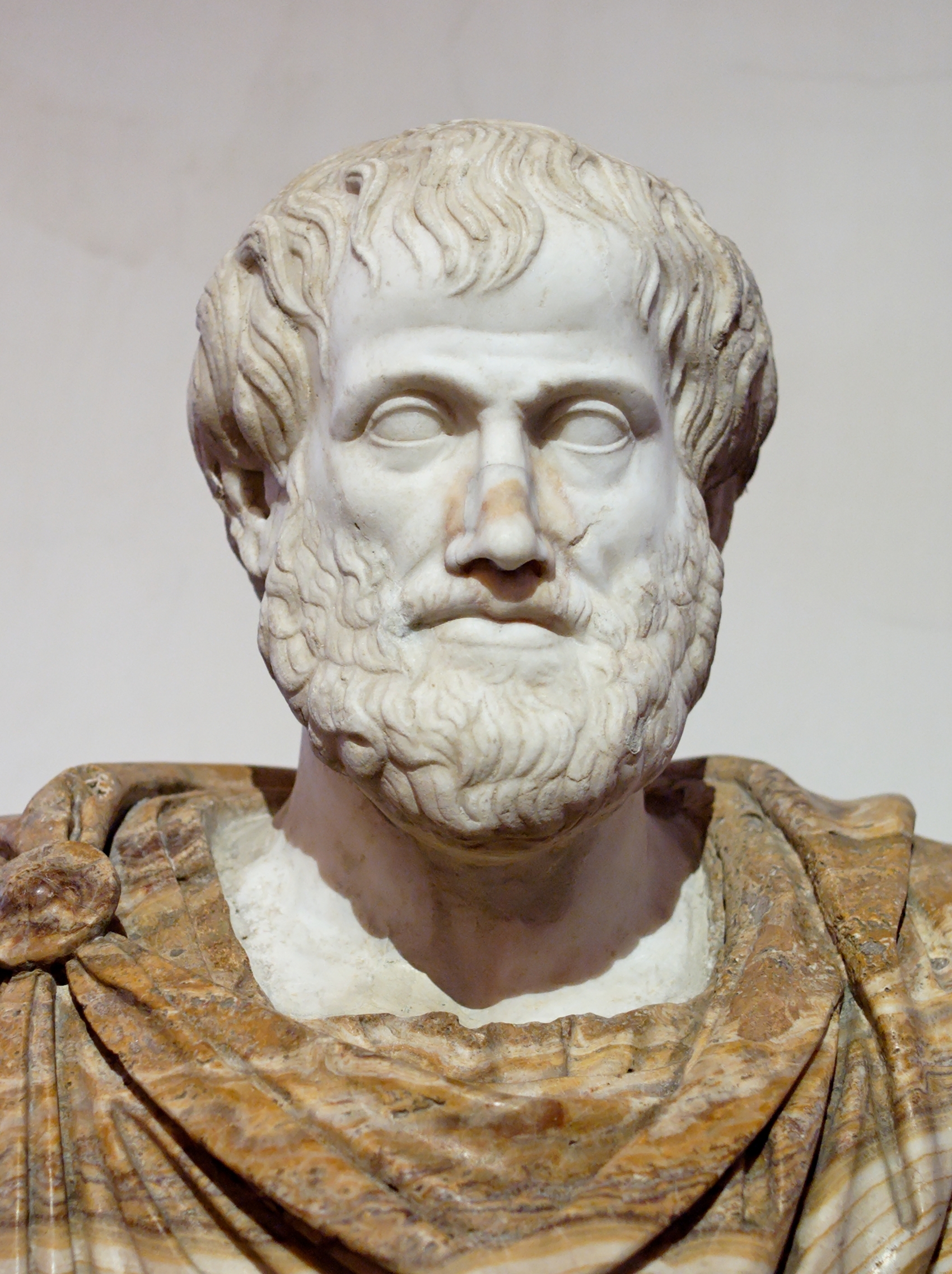
Aristotle
An ancient Greek philosopher and polymath who made fundamental contributions to almost every field of human knowledge, from logic to biology.
Một triết gia và học giả bách khoa Hy Lạp cổ đại đã có đóng góp nền tảng cho hầu hết mọi lĩnh vực tri thức của con người, từ logic đến sinh học.
This biography of Aristotle helps you learn English through real historical stories. Explore Aristotle's impact on the world.
born384 BC
died322 BC
nationalityGreek (Macedonian/Athenian)
known forformal logic, biological classification, and tutoring Alexander the Great
fieldphilosophy and science
Key Takeaways from this Biography
- He was Plato's most brilliant student but focused on empirical observation rather than abstract FormsÔng là học trò xuất sắc nhất của Plato nhưng tập trung vào quan sát thực nghiệm thay vì các Ý niệm trừu tượng
- He tutored a young Alexander the Great before founding his own school, the LyceumÔng đã làm gia sư cho Alexander Đại đế lúc trẻ trước khi thành lập trường học riêng, Lyceum
- He invented formal logic and made groundbreaking contributions to biology and physicsÔng đã phát minh ra logic học hình thức và có những đóng góp mang tính đột phá cho sinh học và vật lý
- His ethical philosophy centers on 'eudaimonia' and finding the 'Golden Mean' between extremesTriết học đạo đức của ông xoay quanh 'eudaimonia' và việc tìm kiếm 'Khoảng giữa Vàng' giữa các thái cực
Life Timeline
384 BC
Born in Stagira, northern GreeceSinh ra ở Stagira, miền bắc Hy Lạp
c. 367 BC
Moved to Athens to study at Plato's AcademyChuyển đến Athens để học tại Học viện của Plato
c. 343 BC
Invited by King Philip II to tutor a young Alexander the GreatĐược Vua Philip II mời đến làm gia sư cho Alexander Đại đế thời trẻ
c. 335 BC
Founded his own school, the Lyceum, in AthensThành lập trường học của riêng mình, Lyceum, ở Athens
322 BC
Died in Chalcis, EuboeaQua đời ở Chalcis, Euboea
Biography Reading: Aristotle
background
Born in 384 BC in Stagira, northern Greece, Aristotle was the son of a court physician. At the age of seventeen, he moved to Athens to study at Plato's Academy, where he remained for twenty years as Plato's most brilliant student. However, unlike his mentor who focused on abstract spiritual Forms, Aristotle was deeply fascinated by the observable physical world. He believed that knowledge should be acquired through empirical observation and logical analysis, laying the very groundwork for the modern scientific method.
Sinh năm 384 TCN tại Stagira, miền bắc Hy Lạp, Aristotle là con trai của một ngự y. Ở tuổi mười bảy, ông chuyển đến Athens để theo học tại Học viện của Plato, nơi ông gắn bó trong suốt hai mươi năm với tư cách là học trò xuất sắc nhất của Plato. Tuy nhiên, không giống như người thầy của mình tập trung vào các Ý niệm tâm linh trừu tượng, Aristotle vô cùng say mê thế giới vật chất có thể quan sát được. Ông tin rằng kiến thức phải được thu nhận thông qua quan sát thực nghiệm và phân tích logic, đặt nền móng vững chắc cho phương pháp khoa học hiện đại.
achievement
After Plato's death, Aristotle left Athens and was eventually invited by King Philip II of Macedon to tutor his young son, who would later become known as Alexander the Great. Years later, Aristotle returned to Athens and founded his own school, the Lyceum. There, he and his students famously walked the grounds while discussing philosophy, earning them the name "Peripatetics" (those who walk about). Aristotle's immense intellect covered an astonishing range of subjects, including physics, biology, zoology, metaphysics, ethics, and politics.
Sau khi Plato qua đời, Aristotle rời Athens và cuối cùng được Vua Philip II của xứ Macedon mời đến làm gia sư cho cậu con trai nhỏ của mình, người sau này được biết đến với cái tên Alexander Đại đế. Nhiều năm sau, Aristotle trở lại Athens và thành lập trường học của riêng mình, Lyceum. Tại đây, ông và các học trò nổi tiếng với việc vừa tản bộ trong khuôn viên vừa thảo luận triết học, mang lại cho họ cái tên "Peripatetics" (những người hay đi dạo). Trí tuệ vĩ đại của Aristotle bao trùm một phạm vi chủ đề đáng kinh ngạc, bao gồm vật lý, sinh học, động vật học, siêu hình học, đạo đức học và chính trị học.
impact
Perhaps his most enduring achievement was the invention of formal logic, primarily through the use of the "syllogism," a structured method of reasoning. He also pioneered the classification of living things, effectively becoming the world's first biologist. In his ethical writings, such as the "Nicomachean Ethics," he argued that the ultimate goal of human life is "eudaimonia" (flourishing or happiness), achieved by living virtuously and finding the "Golden Mean" between extremes. Aristotle died in 322 BC, but his monumental works became the intellectual foundation of Western civilization and Islamic philosophy for over two millennia.
Có lẽ thành tựu lâu dài nhất của ông là việc phát minh ra logic học hình thức, chủ yếu thông qua việc sử dụng "tam đoạn luận", một phương pháp lập luận có cấu trúc. Ông cũng đi tiên phong trong việc phân loại sinh vật, thực sự trở thành nhà sinh vật học đầu tiên trên thế giới. Trong các bài viết về đạo đức học của mình, chẳng hạn như cuốn "Đạo đức học Nicomachean", ông lập luận rằng mục tiêu tối thượng của cuộc đời con người là "eudaimonia" (sự thăng hoa hay hạnh phúc), đạt được bằng cách sống đức hạnh và tìm ra "Khoảng giữa Vàng" (Trung dung) giữa các thái cực. Aristotle qua đời năm 322 TCN, nhưng những công trình vĩ đại của ông đã trở thành nền tảng trí tuệ của nền văn minh phương Tây và triết học Hồi giáo trong hơn hai thiên niên kỷ.
Essential Vocabulary
empiricalthực nghiệm
based on, concerned with, or verifiable by observation or experience rather than theory
dựa trên, liên quan đến hoặc có thể xác minh bằng quan sát hoặc kinh nghiệm thay vì lý thuyết
syllogismtam đoạn luận
a form of reasoning in which a conclusion is drawn from two given or assumed propositions
một hình thức lập luận trong đó một kết luận được rút ra từ hai mệnh đề được đưa ra hoặc giả định
flourishingsự thăng hoa / phát triển rực rỡ
developing rapidly and successfully; thriving
phát triển nhanh chóng và thành công; thịnh vượng
virtuouslymột cách đức hạnh
in a way that shows high moral standards
theo một cách thể hiện các tiêu chuẩn đạo đức cao
classificationsự phân loại
the action or process of arranging things in classes or categories
hành động hoặc quá trình sắp xếp các sự vật thành các lớp hoặc danh mục
metaphysicssiêu hình học
the branch of philosophy that deals with the first principles of things, including abstract concepts such as being, knowing, substance, cause
nhánh triết học giải quyết các nguyên tắc đầu tiên của sự vật, bao gồm các khái niệm trừu tượng như sự tồn tại, sự hiểu biết, bản chất, nguyên nhân
Knowledge Check Quiz
FACTUAL1 / 4
What was the name of the school that Aristotle founded in Athens?
Flashcards
KNOWLEDGE
Who was Aristotle?
An ancient Greek philosopher and polymath who studied under Plato.
1 / 9