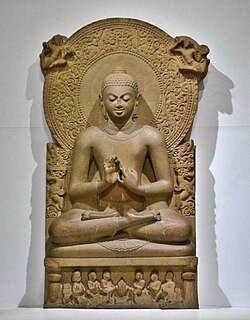
Lord Buddha
An ancient Indian spiritual teacher who attained enlightenment and founded Buddhism, profoundly shaping Eastern philosophy and global spirituality.
Một nhà tu hành tâm linh cổ đại người Ấn Độ đã đạt được giác ngộ và sáng lập Phật giáo, ảnh hưởng sâu sắc đến triết học phương Đông và tâm linh toàn cầu.
This biography of Lord Buddha helps you learn English through real historical stories. Explore Lord Buddha's impact on the world.
bornc. 563 BC
diedc. 483 BC
nationalityIndian (Shakya)
known forattaining enlightenment and founding Buddhism
fieldreligion and philosophy
Key Takeaways from this Biography
- He renounced his royal life as a prince to seek an end to human sufferingNgài đã từ bỏ cuộc sống hoàng gia của một hoàng tử để tìm cách chấm dứt sự đau khổ của con người
- He achieved ultimate enlightenment under the Bodhi tree, becoming the BuddhaNgài đã đạt được sự giác ngộ tối thượng dưới cội bồ đề, trở thành Đức Phật
- He taught the Middle Way, the Four Noble Truths, and the Eightfold PathNgài đã giảng dạy Trung Đạo, Tứ Diệu Đế và Bát Chính Đạo
- His teachings of mindfulness and compassion founded the global religion of BuddhismNhững lời dạy của ngài về chánh niệm và lòng từ bi đã sáng lập ra tôn giáo toàn cầu là Phật giáo
Life Timeline
c. 563 BC
Born as Prince Siddhartha Gautama in LumbiniSinh ra với tư cách là Thái tử Tất Đạt Đa Cồ Đàm (Siddhartha Gautama) ở Lâm Tỳ Ni
c. 534 BC
Renounced his royal life to seek the end of sufferingTừ bỏ cuộc sống hoàng gia để tìm cách chấm dứt đau khổ
c. 528 BC
Attained enlightenment under the Bodhi tree in Bodh GayaĐạt được giác ngộ dưới cội Bồ đề ở Bồ Đề Đạo Tràng
c. 528 BC
Delivered his first sermon at SarnathGiảng bài pháp đầu tiên tại Lộc Uyển
c. 483 BC
Passed away, achieving Parinirvana in KushinagarQua đời, nhập Niết bàn ở Câu Thi Na
Biography Reading: Lord Buddha
background
Siddhartha Gautama was born around 563 BC in Lumbini, near the modern border of Nepal and India. Born into a royal family, the young prince lived a highly sheltered life of luxury inside his father's palace, completely shielded from the harsh realities of the outside world. However, when he eventually ventured outside in his late twenties, he witnessed the "Four Sights": an old man, a sick man, a corpse, and an ascetic. Deeply moved by the universal reality of human suffering, he made the radical decision to leave his royal life, his wife, and his child to seek a permanent end to the cycle of pain.
Tất Đạt Đa Cờ Đàm (Siddhartha Gautama) sinh khoảng năm 563 TCN tại Lumbini (Lâm Tỳ Ni), gần biên giới hiện tại giữa Nepal và Ấn Độ. Sinh ra trong một gia đình hoàng gia, vị hoàng tử trẻ có một cuộc sống xa hoa được bao bọc kỹ lưỡng bên trong cung điện của cha mình, hoàn toàn được che chắn khỏi những thực tế phũ phàng của thế giới bên ngoài. Tuy nhiên, khi ông tình cờ ra ngoài vào cuối độ tuổi hai mươi, ông đã chứng kiến "Bốn cảnh tượng": một người già, một người bệnh, một xác chết và một tu sĩ khổ hạnh. Xúc động sâu sắc trước thực tế phổ quát về sự đau khổ của con người, ông đã đưa ra một quyết định táo bạo là rời bỏ cuộc sống hoàng gia, vợ và con mình để tìm kiếm một sự chấm dứt vĩnh viễn cho vòng lặp của nỗi đau.
achievement
For six years, Siddhartha practiced extreme asceticism, starving himself and enduring harsh physical conditions in the belief that punishing the body would free the soul. Realizing this only brought him close to death without offering true wisdom, he abandoned these extreme practices in favor of the "Middle Way"—a path of balance between luxury and severe deprivation. Sitting beneath a Bodhi tree in Bodh Gaya, he meditated deeply until he finally attained ultimate awakening, or Nirvana. From that moment on, he became known as the Buddha, meaning the "Awakened One" or the "Enlightened One."
Trong sáu năm, Tất Đạt Đa đã thực hành lối tu khổ hạnh khắc nghiệt, nhịn ăn và chịu đựng những điều kiện thể chất tồi tệ với niềm tin rằng việc trừng phạt thể xác sẽ giải phóng linh hồn. Nhận ra điều này chỉ đưa ông đến gần cái chết mà không mang lại trí tuệ đích thực, ông đã từ bỏ những thực hành cực đoan này để chọn "Trung Đạo"—một con đường cân bằng giữa sự xa hoa và sự thiếu thốn tột cùng. Ngồi dưới cội bồ đề ở Bodh Gaya (Bồ Đề Đạo Tràng), ông thiền định sâu sắc cho đến khi cuối cùng đạt được sự giác ngộ tối thượng, hay Niết bàn. Kể từ giây phút đó, ông được biết đến với danh xưng là Đức Phật, nghĩa là "Bậc Giác ngộ" hay "Người Tỉnh thức".
impact
Following his enlightenment, the Buddha traveled to a deer park in Sarnath where he delivered his first sermon, laying out the core foundation of his teachings: the Four Noble Truths and the Eightfold Path. He spent the remaining 45 years of his life walking across the Indian subcontinent, teaching a philosophy centered on mindfulness, ethical living, and boundless compassion for all living beings. He welcomed people of all castes and backgrounds into his monastic community, the Sangha. He passed away at the age of 80, but his profound teachings blossomed into a major world religion that continues to guide millions of people toward inner peace today.
Sau khi giác ngộ, Đức Phật đã đi đến một vườn lộc uyển ở Sarnath (Lộc Uyển), nơi ngài thực hiện bài thuyết pháp đầu tiên, đặt ra nền tảng cốt lõi cho những giáo lý của mình: Tứ Diệu Đế và Bát Chính Đạo. Ngài đã dành 45 năm còn lại của cuộc đời để đi bộ khắp tiểu lục địa Ấn Độ, giảng dạy một triết lý tập trung vào chánh niệm, lối sống đạo đức và lòng từ bi vô bờ bến đối với mọi chúng sinh. Ngài chào đón những người thuộc mọi tầng lớp và xuất thân vào cộng đồng tu viện của mình, được gọi là Tăng đoàn. Ngài viên tịch ở tuổi 80, nhưng những lời dạy sâu sắc của ngài đã nở rộ thành một tôn giáo lớn trên thế giới, tiếp tục dẫn dắt hàng triệu người hướng tới sự bình yên nội tâm cho đến ngày nay.
Essential Vocabulary
asceticismchủ nghĩa khổ hạnh
severe self-discipline and avoiding of all forms of indulgence
kỷ luật tự giác nghiêm ngặt và tránh mọi hình thức hưởng thụ
enlightenmentsự giác ngộ
the state of having profound spiritual knowledge or understanding
trạng thái có kiến thức hoặc sự hiểu biết tâm linh sâu sắc
deprivationsự thiếu thốn / tước đoạt
the lack or denial of something considered to be a necessity
sự thiếu hụt hoặc từ chối một cái gì đó được coi là cần thiết
mindfulnesschánh niệm
a mental state achieved by focusing one's awareness on the present moment
một trạng thái tinh thần đạt được bằng cách tập trung nhận thức của một người vào thời điểm hiện tại
compassionlòng từ bi / trắc ẩn
sympathetic pity and concern for the sufferings or misfortunes of others
sự thương cảm và quan tâm đến những đau khổ hoặc bất hạnh của người khác
shelteredđược bao bọc / che chở
protected from difficulties or unpleasant realities
được bảo vệ khỏi những khó khăn hoặc thực tế khó chịu
Knowledge Check Quiz
FACTUAL1 / 4
Where did Siddhartha Gautama attain enlightenment?
Flashcards
KNOWLEDGE
Who was Siddhartha Gautama?
An ancient Indian prince who became the Buddha.
1 / 9