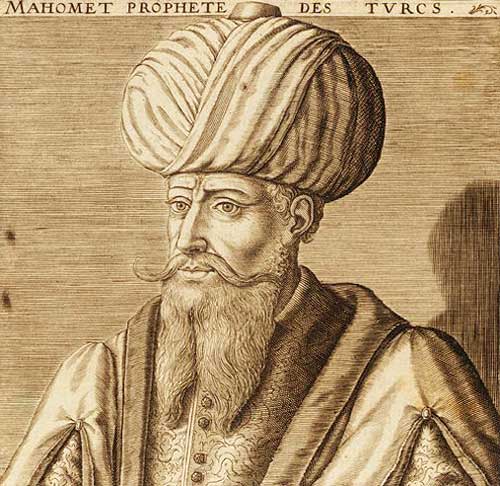
Muhammad
An Arab religious, social, and political leader and the founder of Islam, considered by Muslims to be a prophet divinely inspired to preach.
Một nhà lãnh đạo tôn giáo, xã hội và chính trị người Ả Rập và là người sáng lập Hồi giáo, được người Hồi giáo coi là một nhà tiên tri được truyền cảm hứng thiêng liêng.
This biography of Muhammad helps you learn English through real historical stories. Explore Muhammad's impact on the world.
bornc. 570
died632
nationalityArab
known forfounding Islam and receiving the Quran
fieldreligion and spirituality
Key Takeaways from this Biography
- He was a merchant known as 'Al-Amin' (The Trustworthy) before receiving divine revelationsÔng là một thương gia được biết đến với biệt danh 'Al-Amin' (Người đáng tin cậy) trước khi nhận được những mặc khải thiêng liêng
- He received revelations from God through the Archangel Gabriel, which formed the QuranÔng đã nhận được những mặc khải từ Thượng đế thông qua Tổng lãnh thiên thần Gabriel, hình thành nên Kinh Quran
- His migration to Medina, known as the Hijrah, marks the beginning of the Islamic calendarCuộc di cư của ông đến Medina, được gọi là Hijrah, đánh dấu sự khởi đầu của lịch Hồi giáo
- He united the Arabian Peninsula under the monotheistic religion of IslamÔng đã thống nhất Bán đảo Ả Rập dưới tôn giáo độc thần là đạo Hồi
Life Timeline
c. 570
Born in MeccaSinh ra ở Mecca
610
Received the first revelation in the Cave of HiraNhận được mặc khải đầu tiên trong Hang Hira
622
Migrated to Medina (the Hijrah)Di cư đến Medina (cuộc Hijrah)
630
Conquered MeccaChinh phục Mecca
632
Died in MedinaQua đời ở Medina
Biography Reading: Muhammad
background
Muhammad was born around 570 CE in the city of Mecca, located in the Arabian Peninsula. Orphaned at a young age, he was raised first by his grandfather and then by his uncle. He grew up to be a merchant, renowned for his honesty and integrity, which earned him the nickname "Al-Amin" (The Trustworthy). Despite his success in trade, he was deeply troubled by the moral decline, idolatry, and social injustices prevalent in Meccan society, leading him to frequently retreat to the Cave of Hira for deep meditation and prayer.
Muhammad sinh khoảng năm 570 CN tại thành phố Mecca, nằm trên Bán đảo Ả Rập. Mồ côi từ khi còn nhỏ, ông được nuôi dưỡng bởi ông nội và sau đó là chú của mình. Ông lớn lên và trở thành một thương gia, nổi tiếng với sự trung thực và chính trực, điều này đã mang lại cho ông biệt danh "Al-Amin" (Người đáng tin cậy). Bất chấp thành công trong thương mại, ông vô cùng trăn trở trước sự suy đồi đạo đức, tệ sùng bái ngẫu tượng và những bất công xã hội phổ biến trong xã hội Mecca, khiến ông thường xuyên lui tới Hang Hira để thiền định sâu và cầu nguyện.
achievement
In the year 610, at the age of 40, Muhammad reported receiving his first divine revelation from God (Allah) through the Archangel Gabriel. Over the next 22 years, these revelations continued and were later compiled into the Quran, the central religious text of Islam. Muhammad began preaching these messages publicly, emphasizing absolute monotheism, social equality, and care for the poor. However, his teachings threatened the economic and religious status quo of Mecca's ruling elites, leading to severe persecution of him and his early followers.
Vào năm 610, ở tuổi 40, Muhammad cho biết ông đã nhận được sự mặc khải thiêng liêng đầu tiên từ Thượng đế (Allah) thông qua Tổng lãnh thiên thần Gabriel. Trong 22 năm tiếp theo, những sự mặc khải này vẫn tiếp tục và sau đó được tập hợp thành Kinh Quran (Kinh Koran), văn bản tôn giáo trung tâm của đạo Hồi. Muhammad bắt đầu rao giảng những thông điệp này một cách công khai, nhấn mạnh sự độc thần tuyệt đối, bình đẳng xã hội và sự quan tâm đến người nghèo. Tuy nhiên, những lời dạy của ông đã đe dọa đến hiện trạng kinh tế và tôn giáo của giới tinh hoa cầm quyền Mecca, dẫn đến sự đàn áp khốc liệt đối với ông và những tín đồ đầu tiên.
impact
To escape persecution, Muhammad and his followers migrated to the city of Medina in 622, an event known as the Hijrah, which marks the beginning of the Islamic calendar. In Medina, he established a unified Islamic community (Ummah) and successfully navigated complex political and military conflicts. In 630, he returned to Mecca victoriously and peacefully, clearing the Kaaba of idols and dedicating it to the worship of one God. By the time of his death in 632, he had united most of the Arabian Peninsula under Islam, leaving behind a lasting spiritual and political legacy that continues to shape the lives of nearly two billion Muslims today.
Để thoát khỏi sự đàn áp, Muhammad và những người theo ông đã di cư đến thành phố Medina vào năm 622, một sự kiện được gọi là Hijrah, đánh dấu sự khởi đầu của lịch Hồi giáo. Tại Medina, ông đã thiết lập một cộng đồng Hồi giáo thống nhất (Ummah) và xử lý thành công các cuộc xung đột chính trị và quân sự phức tạp. Năm 630, ông trở lại Mecca một cách chiến thắng và hòa bình, dọn sạch các bức tượng thần trong đền Kaaba và dâng hiến nó cho việc thờ phụng một Thượng đế duy nhất. Vào thời điểm ông qua đời năm 632, ông đã thống nhất hầu hết Bán đảo Ả Rập dưới ngọn cờ Hồi giáo, để lại một di sản tâm linh và chính trị lâu dài tiếp tục định hình cuộc sống của gần hai tỷ người Hồi giáo ngày nay.
Essential Vocabulary
revelationsự mặc khải
the divine or supernatural disclosure to humans of something relating to human existence or the world
sự tiết lộ thiêng liêng hoặc siêu nhiên cho con người về một điều gì đó liên quan đến sự tồn tại của con người hoặc thế giới
monotheismthuyết độc thần
the doctrine or belief that there is only one God
học thuyết hoặc niềm tin rằng chỉ có một Thượng đế duy nhất
persecutionsự đàn áp / bức hại
hostility and ill-treatment, especially because of race or political or religious beliefs
sự thù địch và ngược đãi, đặc biệt là vì chủng tộc hoặc niềm tin chính trị hay tôn giáo
migrationsự di cư
movement from one part of something to another
sự di chuyển từ một phần của một nơi này sang một nơi khác
integritysự chính trực
the quality of being honest and having strong moral principles
phẩm chất trung thực và có các nguyên tắc đạo đức mạnh mẽ
unifiedthống nhất
made or become united, uniform, or whole
được làm cho hoặc trở nên đoàn kết, đồng nhất hoặc toàn vẹn
Knowledge Check Quiz
FACTUAL1 / 4
What was Muhammad's profession before he received his first revelation?
Flashcards
KNOWLEDGE
Who is the founder of Islam?
Muhammad.
1 / 9