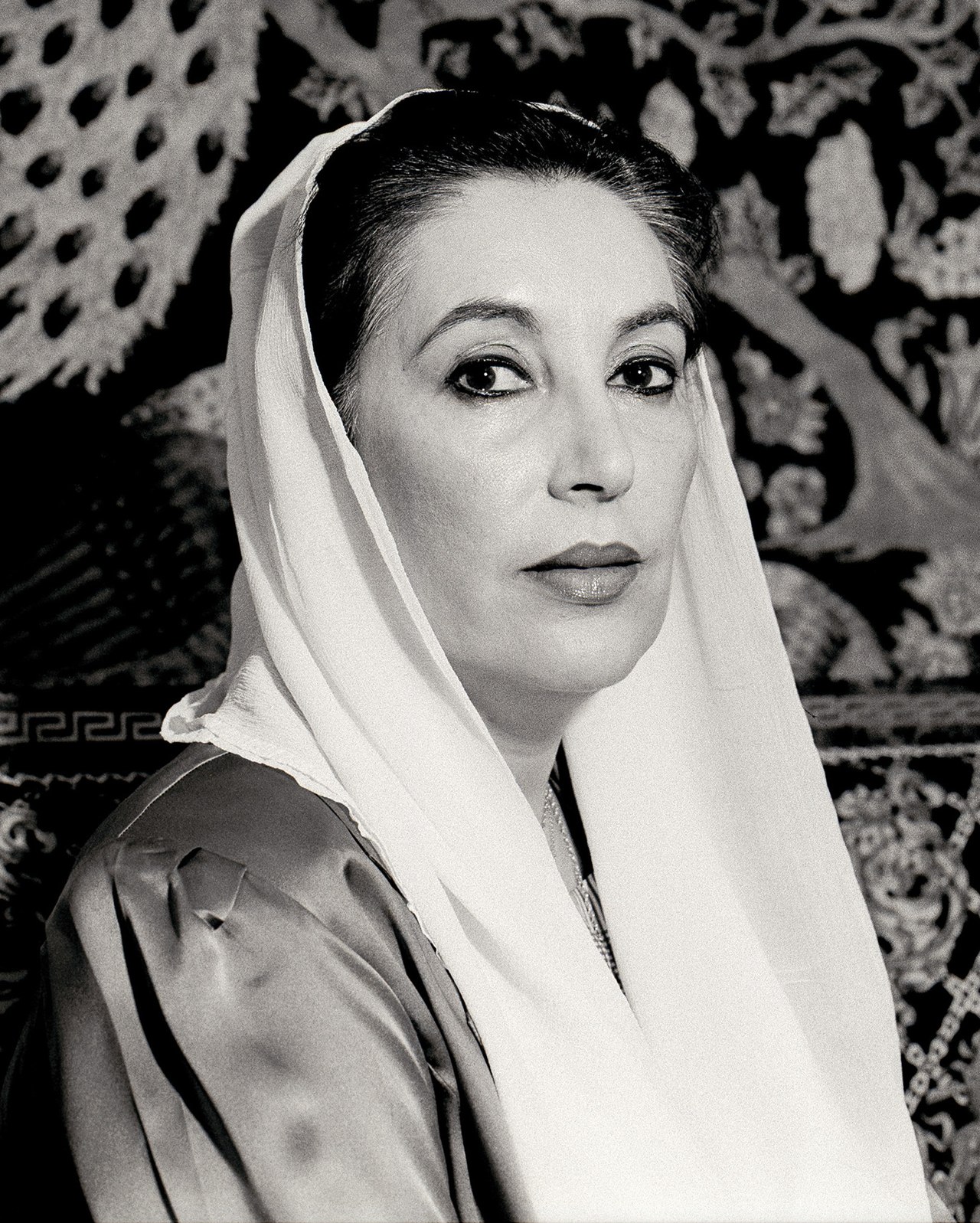
Benazir Bhutto
The first woman to lead a democratic government in a Muslim-majority nation, serving two terms as the Prime Minister of Pakistan and becoming a global icon for democracy.
Người phụ nữ đầu tiên lãnh đạo một chính phủ dân chủ tại một quốc gia đa số Hồi giáo, đã hai lần giữ chức Thủ tướng Pakistan và trở thành biểu tượng toàn cầu của dân chủ.
This biography of Benazir Bhutto helps you learn English through real historical stories. Explore Benazir Bhutto's impact on the world.
born1953
died2007
nationalityPakistani
known forFirst female Prime Minister of a Muslim nation and advocate for democracy
fieldpolitics and human rights
Key Takeaways from this Biography
- She was the first female Prime Minister of a Muslim-majority countryBà là nữ Thủ tướng đầu tiên của một quốc gia có đa số dân là người Hồi giáo
- She fought against military dictatorship to restore democracy in PakistanBà đã đấu tranh chống lại chế độ độc tài quân sự để khôi phục dân chủ ở Pakistan
- She was a prominent advocate for women's rights and education in the Islamic worldBà là người ủng hộ nổi bật cho quyền phụ nữ và giáo dục trong thế giới Hồi giáo
- She remains a global symbol of courage and political defiance despite her tragic assassinationBà vẫn là biểu tượng toàn cầu về lòng dũng cảm và sự thách thức chính trị bất chấp vụ ám sát bi thảm
Life Timeline
1953
Born in Karachi, PakistanSinh ra ở Karachi, Pakistan
1977
Returned to Pakistan as her father's government was overthrown in a military coupTrở về Pakistan khi chính phủ của cha bà bị lật đổ trong một cuộc đảo chính quân sự
1988
Elected as the Prime Minister of Pakistan for the first timeĐược bầu làm Thủ tướng Pakistan lần đầu tiên
1993
Elected for a second term as Prime MinisterĐược bầu làm Thủ tướng nhiệm kỳ thứ hai
1999
Went into self-imposed exile abroadSống lưu vong tự nguyện ở nước ngoài
2007
Assassinated in Rawalpindi after returning to campaign for electionsBị ám sát ở Rawalpindi sau khi trở về để tranh cử
Biography Reading: Benazir Bhutto
background
Benazir Bhutto was born in 1953 into a prominent political dynasty, the eldest child of former Prime Minister Zulfikar Ali Bhutto. Educated at Harvard and Oxford, she was groomed for a life of leadership. However, her path was tragically altered in 1977 when a military coup led by General Zia-ul-Haq overthrew and later executed her father. Benazir spent years under house arrest and in prison, enduring harsh conditions while refusing to abandon her father's political legacy and the struggle for democratic rule in Pakistan.
Benazir Bhutto sinh năm 1953 trong một dòng họ chính trị nổi bật, là con cả của cựu Thủ tướng Zulfikar Ali Bhutto. Được giáo dục tại Harvard và Oxford, bà đã được chuẩn bị cho một cuộc đời lãnh đạo. Tuy nhiên, con đường của bà đã thay đổi một cách bi thảm vào năm 1977 khi một cuộc đảo chính quân sự do Tướng Zia-ul-Haq lãnh đạo đã lật đổ và sau đó hành quyết cha bà. Benazir đã trải qua nhiều năm bị quản thúc tại gia và ở trong tù, chịu đựng những điều kiện khắc nghiệt trong khi từ chối từ bỏ di sản chính trị của cha mình và cuộc đấu tranh cho quy chế dân chủ ở Pakistan.
achievement
In 1988, following the death of Zia-ul-Haq, Bhutto led the Pakistan Peoples Party to victory and became the first woman to head a Muslim-majority nation. Her premiership was a landmark moment for women's rights in the Islamic world, though she faced immense pressure from conservative religious and military circles. During her two non-consecutive terms, she focused on social reforms, women's empowerment, and economic modernization. Despite facing persistent allegations of corruption—which she claimed were politically motivated—she remained a beloved figure to millions of Pakistanis.
Năm 1988, sau cái chết của Zia-ul-Haq, Bhutto đã dẫn dắt Đảng Nhân dân Pakistan đến chiến thắng và trở thành người phụ nữ đầu tiên đứng đầu một quốc gia có đa số dân là người Hồi giáo. Nhiệm kỳ thủ tướng của bà là một thời điểm bước ngoặt cho quyền phụ nữ trong thế giới Hồi giáo, mặc dù bà phải đối mặt với áp lực to lớn từ các giới quân sự và tôn giáo bảo thủ. Trong hai nhiệm kỳ không liên tiếp của mình, bà tập trung vào cải cách xã hội, trao quyền cho phụ nữ và hiện đại hóa kinh tế. Bất chấp việc phải đối mặt với những cáo buộc tham nhũng dai dẳng—mà bà khẳng định là có động cơ chính trị—bà vẫn là một nhân vật được hàng triệu người Pakistan yêu mến.
impact
After years in self-imposed exile to avoid prosecution, Bhutto returned to Pakistan in 2007 to lead her party in upcoming elections, greeted by massive, hopeful crowds. Her return ended in tragedy when she was assassinated in a suicide bombing and shooting attack in Rawalpindi. Her death sparked global mourning and highlighted the precarious state of democracy in the region. Remembered as the "Daughter of Destiny," Benazir Bhutto's legacy lives on as a symbol of defiance against autocracy and a pioneer for female leadership in global politics.
Sau nhiều năm tự lưu vong để tránh bị truy tố, Bhutto trở lại Pakistan vào năm 2007 để lãnh đạo đảng của mình trong các cuộc bầu cử sắp tới, và được chào đón bởi đám đông khổng lồ đầy hy vọng. Sự trở lại của bà đã kết thúc trong bi kịch khi bà bị ám sát trong một vụ đánh bom liều chết và tấn công bằng súng ở Rawalpindi. Cái chết của bà đã gây ra sự thương tiếc toàn cầu và làm nổi bật tình trạng mong manh của nền dân chủ trong khu vực. Được nhớ đến với cái tên "Con gái của Định mệnh", di sản của Benazir Bhutto vẫn tồn tại như một biểu tượng của sự thách thức chống lại chế độ chuyên quyền và là người tiên phong cho sự lãnh đạo của phụ nữ trong chính trị toàn cầu.
Essential Vocabulary
dynastytriều đại / dòng họ
a line of hereditary rulers of a country; a succession of people from the same family who play a prominent role
một dòng các nhà cai trị kế thừa của một quốc gia; một sự kế thừa của những người trong cùng một gia đình đóng vai trò nổi bật
groomedđược chuẩn bị / đào tạo
prepared or trained for a particular purpose or activity
được chuẩn bị hoặc đào tạo cho một mục đích hoặc hoạt động cụ thể
exilesự lưu vong
the state of being barred from one's native country, typically for political or punitive reasons
trạng thái bị cấm khỏi quê hương của mình, thường vì lý do chính trị hoặc trừng phạt
landmarkbước ngoặt / cột mốc
an event or discovery marking an important stage or turning point in something
một sự kiện hoặc khám phá đánh dấu một giai đoạn quan trọng hoặc bước ngoặt trong một cái gì đó
defiancesự thách thức / bất khuất
open resistance; bold disobedience
sự kháng cự công khai; sự không vâng lời một cách táo bạo
precariousmong manh / bấp bênh
not securely held or in position; dangerously likely to fall or collapse
không được giữ chắc chắn hoặc đúng vị trí; có khả năng rơi hoặc sụp đổ một cách nguy hiểm
Knowledge Check Quiz
FACTUAL1 / 4
Benazir Bhutto was the first woman to lead a democratic government in which type of nation?
Flashcards
KNOWLEDGE
Who was the first female Prime Minister of Pakistan?
Benazir Bhutto.
1 / 9