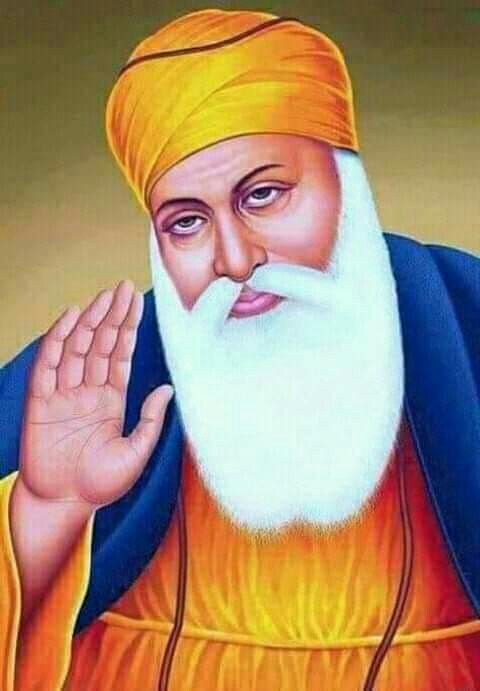
Guru Nanak
A prominent Indian spiritual teacher and the founder of Sikhism, the first of the ten Sikh Gurus, who taught the oneness of God and human equality.
Một bậc thầy tâm linh Ấn Độ và người sáng lập đạo Sikh, vị Guru đầu tiên trong mười Guru Sikh, giảng dạy về sự hợp nhất của Thượng đế và bình đẳng con người.
This biography of Guru Nanak helps you learn English through real historical stories. Explore Guru Nanak's impact on the world.
born1469
died1539
nationalityIndian
known forfounding Sikhism and his extensive spiritual travels (Udasis)
fieldreligion and spirituality
Key Takeaways from this Biography
- He founded Sikhism, teaching the absolute oneness of God (Ik Onkar)Ông đã sáng lập Đạo Sikh, giảng dạy về sự nhất thể tuyệt đối của Thượng đế (Ik Onkar)
- He undertook four major journeys (Udasis) across Asia and the Middle East to spread peaceÔng đã thực hiện bốn chuyến đi lớn (Udasis) khắp châu Á và Trung Đông để truyền bá hòa bình
- He established the Langar, a free community kitchen to promote social equalityÔng đã thiết lập Langar, một nhà bếp cộng đồng miễn phí để thúc đẩy bình đẳng xã hội
- He rejected caste divisions and taught that true spirituality involves honest living and selfless serviceÔng bác bỏ sự phân chia giai cấp và dạy rằng tâm linh đích thực bao gồm lối sống lương thiện và sự phụng sự quên mình
Life Timeline
1469
Born in Nankana SahibSinh ra ở Nankana Sahib
1496
Experienced a divine revelation after disappearing in a riverTrải nghiệm một sự mặc khải thần thánh sau khi mất tích dưới sông
1500
Began his first of four major Udasis (spiritual journeys)Bắt đầu chuyến đi Udasi (hành trình tâm linh) lớn đầu tiên trong bốn chuyến đi của mình
1522
Established the Kartarpur community and the LangarThành lập cộng đồng Kartarpur và Langar (bếp ăn cộng đồng)
1539
Appointed Guru Angad as his successor and passed awayBổ nhiệm Guru Angad làm người kế vị và qua đời
Biography Reading: Guru Nanak
background
Guru Nanak was born in 1469 in the village of Talwandi, now known as Nankana Sahib in present-day Pakistan. Growing up in a society deeply divided by caste and religious strife between Hindus and Muslims, he displayed a profound spiritual inclination from a young age. At the age of 27, his life took a monumental turn when he disappeared into the Bein River for three days. Upon emerging, he proclaimed a divine revelation: "There is no Hindu, there is no Muslim," emphasizing the shared humanity and the single divine light present in everyone.
Guru Nanak sinh năm 1469 tại làng Talwandi, nay được gọi là Nankana Sahib thuộc Pakistan ngày nay. Lớn lên trong một xã hội bị chia rẽ sâu sắc bởi giai cấp và xung đột tôn giáo giữa người theo Ấn Độ giáo và Hồi giáo, ông đã bộc lộ thiên hướng tâm linh sâu sắc từ khi còn trẻ. Ở tuổi 27, cuộc đời ông bước sang một ngã rẽ lịch sử khi ông biến mất dưới dòng sông Bein trong ba ngày. Khi xuất hiện trở lại, ông đã công bố một mặc khải thiêng liêng: "Không có người Ấn Độ giáo, không có người Hồi giáo", nhấn mạnh nhân tính chung và ánh sáng thiêng liêng duy nhất hiện diện trong mỗi người.
achievement
To share his message of universal brotherhood and the oneness of God (Ik Onkar), Guru Nanak embarked on four extensive spiritual journeys known as "Udasis." He traveled thousands of miles across India, Tibet, the Middle East, and beyond, engaging in philosophical dialogues with scholars and holy men of various faiths. He taught that spiritual liberation could be achieved not by renouncing the world as an ascetic, but through honest labor, truthful living, and continuous remembrance of the divine while fulfilling one's family and social duties.
Để chia sẻ thông điệp về tình huynh đệ phổ quát và sự nhất thể của Thượng đế (Ik Onkar), Guru Nanak đã bắt tay vào bốn cuộc hành trình tâm linh quy mô lớn được gọi là "Udasis". Ông đã đi hàng ngàn dặm qua Ấn Độ, Tây Tạng, Trung Đông và xa hơn nữa, tham gia vào các cuộc đối thoại triết học với các học giả và thánh nhân của nhiều tín ngưỡng khác nhau. Ông dạy rằng sự giải thoát tâm linh không thể đạt được bằng cách từ bỏ thế gian như một người khổ hạnh, mà thông qua lao động lương thiện, lối sống chân thực và liên tục tưởng nhớ đến đấng thiêng liêng trong khi vẫn hoàn thành các nghĩa vụ gia đình và xã hội.
impact
In the later part of his life, Guru Nanak settled in Kartarpur, where he founded a revolutionary egalitarian community. He institutionalized the "Langar," a free community kitchen where people of all castes, genders, and social statuses sat together on the floor to share a meal, directly challenging the deeply ingrained social hierarchies of his time. Before his passing in 1539, he appointed a successor to continue his work, successfully laying the unshakeable foundation for Sikhism, a global religion that continues to champion equality, selfless service, and devotion.
Trong phần sau của cuộc đời, Guru Nanak định cư tại Kartarpur, nơi ông thành lập một cộng đồng bình đẳng mang tính cách mạng. Ông đã thể chế hóa "Langar", một nhà bếp cộng đồng miễn phí, nơi mọi người thuộc mọi tầng lớp, giới tính và địa vị xã hội ngồi cùng nhau trên sàn nhà để dùng chung bữa ăn, thách thức trực tiếp các hệ thống phân cấp xã hội bám rễ sâu sắc vào thời bấy giờ. Trước khi qua đời vào năm 1539, ông đã chỉ định một người kế vị để tiếp tục công việc của mình, đặt nền móng vững chắc thành công cho Đạo Sikh, một tôn giáo toàn cầu tiếp tục đấu tranh cho sự bình đẳng, sự phụng sự quên mình và lòng sùng kính.
Essential Vocabulary
inclinationthiên hướng / khuynh hướng
a person's natural tendency or urge to act or feel in a particular way
xu hướng hoặc sự thôi thúc tự nhiên của một người để hành động hoặc cảm nhận theo một cách cụ thể
brotherhoodtình huynh đệ
the feeling of kinship with and closeness to a group of people or all people
cảm giác gắn bó và gần gũi với một nhóm người hoặc tất cả mọi người
renouncetừ bỏ / khước từ
to formally declare one's abandonment of a claim, right, or possession
chính thức tuyên bố từ bỏ một yêu sách, quyền lợi hoặc sự sở hữu
egalitarianbình đẳng
believing in or based on the principle that all people are equal and deserve equal rights
tin tưởng vào hoặc dựa trên nguyên tắc rằng tất cả mọi người đều bình đẳng và xứng đáng được hưởng các quyền như nhau
institutionalizethể chế hóa
to establish something as a convention or norm in an organization or culture
thiết lập một cái gì đó như một quy ước hoặc chuẩn mực trong một tổ chức hoặc nền văn hóa
hierarchyhệ thống phân cấp
a system in which members of a society are ranked according to relative status or authority
một hệ thống trong đó các thành viên của một xã hội được xếp hạng theo địa vị hoặc thẩm quyền tương đối
Knowledge Check Quiz
FACTUAL1 / 4
What is the name of the free community kitchen established by Guru Nanak?
Flashcards
KNOWLEDGE
Who is the founder of Sikhism?
Guru Nanak.
1 / 9