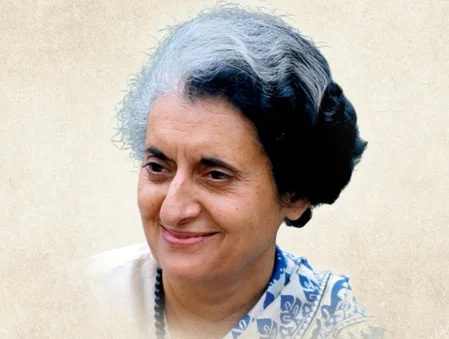
Indira Gandhi
The first and only female Prime Minister of India to date, a polarizing yet powerful leader who transformed India into a regional hegemon and achieved food security.
Nữ Thủ tướng đầu tiên và duy nhất của Ấn Độ cho đến nay, một nhà lãnh đạo gây tranh cãi nhưng đầy quyền lực, người đã biến Ấn Độ thành một cường quốc khu vực và đạt được an ninh lương thực.
This biography of Indira Gandhi helps you learn English through real historical stories. Explore Indira Gandhi's impact on the world.
born1917
died1984
nationalityIndian
known forLeading India through the Green Revolution and the 1971 war with Pakistan
fieldpolitics and leadership
Key Takeaways from this Biography
- She was the first and only female Prime Minister of India to dateBà là nữ Thủ tướng đầu tiên và duy nhất của Ấn Độ cho đến nay
- She led the Green Revolution, making India self-sufficient in food productionBà đã dẫn dắt Cách mạng Xanh, giúp Ấn Độ tự chủ trong sản xuất lương thực
- She presided over the victory in the 1971 war that led to the creation of BangladeshBà đã chủ trì chiến thắng trong cuộc chiến năm 1971 dẫn đến sự ra đời của Bangladesh
- She oversaw India's first successful nuclear test in 1974Bà đã giám sát vụ thử hạt nhân thành công đầu tiên của Ấn Độ vào năm 1974
Life Timeline
1917
Born in Allahabad, IndiaSinh ra ở Allahabad, Ấn Độ
1966
Elected as the first female Prime Minister of IndiaĐược bầu làm nữ Thủ tướng đầu tiên của Ấn Độ
1971
Led India to victory in the Indo-Pakistani War, resulting in the creation of BangladeshLãnh đạo Ấn Độ giành chiến thắng trong Chiến tranh Ấn Độ - Pakistan, dẫn đến sự ra đời của Bangladesh
1974
Oversaw India's first nuclear test ('Smiling Buddha')Giám sát vụ thử hạt nhân đầu tiên của Ấn Độ ('Phật mỉm cười')
1975
Declared a state of National EmergencyTuyên bố Tình trạng Khẩn cấp Quốc gia
1984
Assassinated in New DelhiBị ám sát ở New Delhi
Biography Reading: Indira Gandhi
background
Indira Priyadarshini Gandhi was born in 1917 as the only child of Jawaharlal Nehru. Growing up in the heart of the independence movement, she was deeply influenced by her father's political vision and Mahatma Gandhi's principles. After serving as her father's personal assistant during his premiership, she rose through the ranks of the Indian National Congress. In 1966, she was elected as India's first female Prime Minister, initially viewed by political rivals as a "dumb doll" who could be easily manipulated—a perception she would soon shatter.
Indira Priyadarshini Gandhi sinh năm 1917, là người con duy nhất của Jawaharlal Nehru. Lớn lên giữa tâm điểm của phong trào độc lập, bà chịu ảnh hưởng sâu sắc bởi tầm nhìn chính trị của cha mình và các nguyên tắc của Mahatma Gandhi. Sau khi phục vụ với tư cách là trợ lý cá nhân cho cha trong nhiệm kỳ thủ tướng của ông, bà đã thăng tiến trong hàng ngũ Đảng Quốc đại Ấn Độ. Năm 1966, bà được bầu làm nữ Thủ tướng đầu tiên của Ấn Độ, ban đầu bị các đối thủ chính trị coi là một "con búp bê câm" dễ bị thao túng—một nhận thức mà bà sẽ sớm đập tan.
achievement
Gandhi's leadership was characterized by an assertive and often iron-fisted approach. She championed the "Green Revolution," a massive agricultural reform that turned India from a famine-prone nation into a self-sufficient food exporter. On the international stage, she displayed remarkable strategic grit during the 1971 Indo-Pakistani War, which led to the liberation of Bangladesh. However, her domestic legacy is complex; in 1975, facing political unrest and legal challenges, she declared a state of "Emergency," suspending civil liberties and imprisoning political opponents to maintain order and power.
Sự lãnh đạo của Gandhi được đặc trưng bởi cách tiếp cận quyết đoán và thường là cứng rắn. Bà đã ủng hộ "Cách mạng Xanh", một cuộc cải cách nông nghiệp quy mô lớn đã biến Ấn Độ từ một quốc gia dễ bị nạn đói thành một nước xuất khẩu lương thực tự túc. Trên trường quốc tế, bà đã thể hiện bản lĩnh chiến lược đáng kinh ngạc trong cuộc Chiến tranh Ấn Độ - Pakistan năm 1971, dẫn đến sự giải phóng của Bangladesh. Tuy nhiên, di sản đối nội của bà rất phức tạp; năm 1975, đối mặt với những bất ổn chính trị và thách thức pháp lý, bà đã tuyên bố tình trạng "Khẩn cấp", đình chỉ các quyền tự do dân sự và bỏ tù các đối thủ chính trị để duy trì trật tự và quyền lực.
impact
Despite the controversies, Indira Gandhi remained immensely popular among the rural poor for her "Garibi Hatao" (Abolish Poverty) campaign. She pushed for nationalization of banks and nuclear advancement, famously overseeing India's first nuclear test in 1974. Her second term ended tragically in 1984 when she was assassinated by her own bodyguards following "Operation Blue Star," a military action against militants in the Golden Temple. She remains a towering and enigmatic figure, remembered as the "Iron Lady of India" who consolidated national power with an unyielding will.
Bất chấp những tranh cãi, Indira Gandhi vẫn cực kỳ được lòng người nghèo ở nông thôn nhờ chiến dịch "Garibi Hatao" (Xóa bỏ nghèo đói). Bà đã thúc đẩy việc quốc hữu hóa các ngân hàng và tiến bộ hạt nhân, đáng chú ý là việc giám sát vụ thử hạt nhân đầu tiên của Ấn Độ vào năm 1974. Nhiệm kỳ thứ hai của bà kết thúc bi thảm vào năm 1984 khi bà bị chính những vệ sĩ của mình ám sát sau "Chiến dịch Sao Xanh", một hành động quân sự chống lại các nhóm dân quân trong Đền Vàng. Bà vẫn là một nhân vật cao lớn và bí ẩn, được nhớ đến với biệt danh "Bà đầm thép của Ấn Độ", người đã củng cố quyền lực quốc gia bằng một ý chí kiên định.
Essential Vocabulary
hegemonnước bá chủ
a leading or paramount power, especially a dominant state in a region
một cường quốc dẫn đầu hoặc tối cao, đặc biệt là một quốc gia thống trị trong một khu vực
manipulatethao túng
handle or control a tool, mechanism, or person in a skillful or unscrupulous way
xử lý hoặc kiểm soát một công cụ, cơ chế hoặc con người theo cách khéo léo hoặc không có đạo đức
shatterđập tan
break or cause to break suddenly and violently into pieces
phá vỡ hoặc làm cho vỡ đột ngột và dữ dội thành nhiều mảnh
self-sufficienttự chủ / tự cung tự cấp
needing no outside help in satisfying one's basic needs, especially with regard to food
không cần trợ giúp bên ngoài để đáp ứng các nhu cầu cơ bản, đặc biệt là về lương thực
gritbản lĩnh / sự kiên định
courage and resolve; strength of character
lòng dũng cảm và sự quyết tâm; sức mạnh của tính cách
unyieldingkiên định / không lay chuyển
not giving way to pressure; hard or solid
không nhượng bộ trước áp lực; cứng rắn hoặc vững chắc
Knowledge Check Quiz
FACTUAL1 / 4
What was the primary goal of the 'Green Revolution' led by Indira Gandhi?
Flashcards
KNOWLEDGE
Who was the first female Prime Minister of India?
Indira Gandhi.
1 / 9