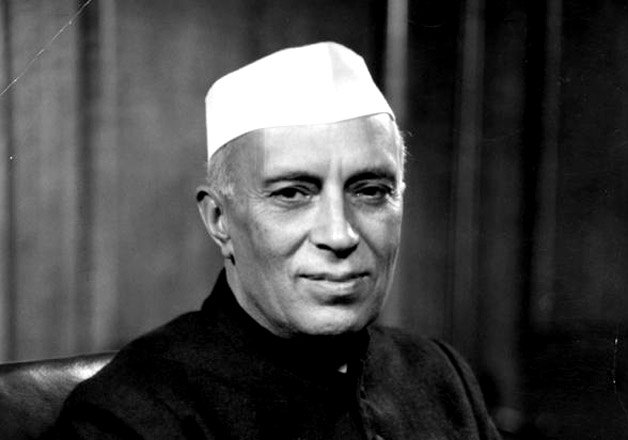
Jawaharlal Nehru
A pivotal leader of the Indian independence movement and the first Prime Minister of independent India, known as the architect of the modern Indian nation-state.
Một lãnh đạo quan trọng của phong trào độc lập Ấn Độ và là Thủ tướng đầu tiên của Ấn Độ độc lập, được biết đến là kiến trúc sư của quốc gia Ấn Độ hiện đại.
This biography of Jawaharlal Nehru helps you learn English through real historical stories. Explore Jawaharlal Nehru's impact on the world.
born1889
died1964
nationalityIndian
known forFirst Prime Minister of India and architect of the modern Indian state
fieldpolitics and nation building
Key Takeaways from this Biography
- He was the first Prime Minister of independent India, serving for 17 yearsÔng là Thủ tướng đầu tiên của Ấn Độ độc lập, phục vụ trong 17 năm
- He delivered the historic 'Tryst with Destiny' speech on the eve of India's independenceÔng đã đọc bài diễn văn lịch sử 'Cuộc hẹn với Định mệnh' vào đêm trước ngày Ấn Độ độc lập
- He was the principal architect of the modern, secular, and democratic Indian nation-stateÔng là kiến trúc sư trưởng của nhà nước quốc gia Ấn Độ hiện đại, thế tục và dân chủ
- He co-founded the Non-Aligned Movement to maintain independence during the Cold WarÔng đồng sáng lập Phong trào Không liên kết để duy trì sự độc lập trong Chiến tranh Lạnh
Life Timeline
1889
Born in Allahabad, British IndiaSinh ra ở Allahabad, Ấn Độ thuộc Anh
1929
Elected president of the Indian National Congress, calling for complete independenceĐược bầu làm chủ tịch Đảng Quốc đại Ấn Độ, kêu gọi độc lập hoàn toàn
1947
Became the first Prime Minister of independent India and delivered the 'Tryst with Destiny' speechTrở thành Thủ tướng đầu tiên của Ấn Độ độc lập và đọc bài diễn văn 'Cuộc hẹn với Định mệnh'
1950
Oversaw the adoption of the Constitution of India, establishing a sovereign democratic republicGiám sát việc thông qua Hiến pháp Ấn Độ, thiết lập một nước cộng hòa dân chủ có chủ quyền
1955
Co-founded the Non-Aligned Movement at the Bandung ConferenceĐồng sáng lập Phong trào Không liên kết tại Hội nghị Bandung
1964
Died in office in New DelhiQua đời khi đang tại nhiệm ở New Delhi
Biography Reading: Jawaharlal Nehru
background
Jawaharlal Nehru was born in 1889 in Allahabad into a wealthy, aristocratic Kashmiri Pandit family. After receiving a privileged education at Trinity College, Cambridge, and training as a barrister in London, he returned to India and was profoundly moved by the poverty and exploitation of the Indian masses under British rule. Becoming a close protégé of Mahatma Gandhi, Nehru emerged as a central figure in the Indian National Congress, fiercely advocating for "Purna Swaraj," or complete independence from the British Empire.
Jawaharlal Nehru sinh năm 1889 tại Allahabad trong một gia đình quý tộc Kashmiri Pandit giàu có. Sau khi nhận được nền giáo dục đặc quyền tại Trinity College, Cambridge, và được đào tạo thành luật sư ở London, ông trở về Ấn Độ và vô cùng xúc động trước sự nghèo đói và bóc lột mà quần chúng Ấn Độ phải chịu đựng dưới sự cai trị của người Anh. Trở thành một người học trò xuất sắc và thân cận của Mahatma Gandhi, Nehru nổi lên như một nhân vật trung tâm trong Đảng Quốc đại Ấn Độ, đấu tranh quyết liệt cho "Purna Swaraj", hay sự độc lập hoàn toàn khỏi Đế quốc Anh.
achievement
On the eve of India's independence in August 1947, Nehru delivered his immortal "Tryst with Destiny" speech, marking the birth of a new nation. As India's first Prime Minister, a position he held for 17 years, he faced the monumental task of uniting a vast, newly partitioned country torn by communal violence. He became the principal architect of the modern Indian nation-state, laying the foundations for a sovereign, socialist, secular, and democratic republic. Unlike Gandhi's vision of traditional village economies, Nehru fervently championed rapid industrialization, scientific advancement, and the establishment of premier educational institutions.
Vào đêm trước ngày Ấn Độ độc lập tháng 8 năm 1947, Nehru đã đọc bài diễn văn bất hủ "Cuộc hẹn với Định mệnh" (Tryst with Destiny), đánh dấu sự ra đời của một quốc gia mới. Với tư cách là Thủ tướng đầu tiên của Ấn Độ, một vị trí ông nắm giữ trong 17 năm, ông phải đối mặt với nhiệm vụ to lớn là thống nhất một đất nước rộng lớn, mới bị chia cắt và bị giằng xé bởi bạo lực cộng đồng. Ông trở thành kiến trúc sư trưởng của nhà nước quốc gia Ấn Độ hiện đại, đặt nền móng cho một nước cộng hòa có chủ quyền, xã hội chủ nghĩa, thế tục và dân chủ. Khác với tầm nhìn của Gandhi về nền kinh tế làng xã truyền thống, Nehru ủng hộ nhiệt thành quá trình công nghiệp hóa nhanh chóng, tiến bộ khoa học và việc thành lập các tổ chức giáo dục hàng đầu.
impact
On the global stage, Nehru was a visionary statesman who sought to carve out an independent path for newly decolonized nations. Refusing to align with either the United States or the Soviet Union during the escalating Cold War, he became a founding father of the Non-Aligned Movement, advocating for peaceful coexistence and anti-imperialism. Fondly remembered as "Chacha Nehru" (Uncle Nehru) for his deep affection for children, he passed away in 1964. His enduring legacy is that of a towering intellectual and democratic leader who guided India through its most fragile formative years.
Trên trường quốc tế, Nehru là một chính khách có tầm nhìn xa, người đã tìm cách vạch ra một con đường độc lập cho các quốc gia mới được giải phóng khỏi thuộc địa. Từ chối liên minh với Hoa Kỳ hay Liên Xô trong bối cảnh Chiến tranh Lạnh đang leo thang, ông trở thành một trong những người cha đẻ của Phong trào Không liên kết, ủng hộ sự chung sống hòa bình và chủ nghĩa chống đế quốc. Được nhớ đến một cách trìu mến với cái tên "Chacha Nehru" (Bác Nehru) vì tình cảm sâu sắc dành cho trẻ em, ông qua đời vào năm 1964. Di sản trường tồn của ông là hình ảnh một trí thức lỗi lạc và một nhà lãnh đạo dân chủ, người đã lèo lái Ấn Độ vượt qua những năm tháng hình thành mong manh nhất.
Essential Vocabulary
secularthế tục
not connected with religious or spiritual matters; treating all religions equally
không liên quan đến các vấn đề tôn giáo hoặc tâm linh; đối xử bình đẳng với mọi tôn giáo
trystcuộc hẹn (định mệnh)
a private, romantic rendezvous between lovers, often used metaphorically for a destined meeting
một cuộc hẹn hò riêng tư, lãng mạn giữa những người yêu nhau, thường được dùng theo nghĩa ẩn dụ cho một cuộc gặp gỡ định mệnh
protégéngười học trò / người được bảo trợ
a person who is guided and supported by an older and more experienced or influential person
một người được hướng dẫn và hỗ trợ bởi một người lớn tuổi hơn, có kinh nghiệm hoặc có ảnh hưởng hơn
industrializationcông nghiệp hóa
the development of industries in a country or region on a wide scale
sự phát triển của các ngành công nghiệp ở một quốc gia hoặc khu vực trên quy mô lớn
communalthuộc về cộng đồng / sắc tộc
shared by all members of a community; in South Asia, relating to conflict between different religious groups
được chia sẻ bởi tất cả các thành viên của một cộng đồng; ở Nam Á, liên quan đến xung đột giữa các nhóm tôn giáo khác nhau
coexistencesự chung sống
the state or fact of living or existing at the same time or in the same place, especially in peace
trạng thái hoặc thực tế sống hoặc tồn tại cùng một lúc hoặc ở cùng một nơi, đặc biệt là trong hòa bình
Knowledge Check Quiz
FACTUAL1 / 4
What is the title of the famous speech Jawaharlal Nehru delivered on the eve of India's independence?
Flashcards
KNOWLEDGE
Who was the first Prime Minister of independent India?
Jawaharlal Nehru.
1 / 9