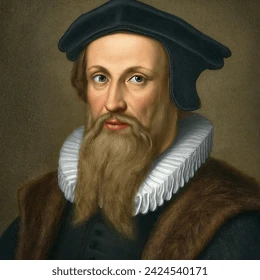
Johann Gutenberg
A German inventor and craftsman who introduced letterpress printing to Europe with his movable-type printing press, sparking the Printing Revolution.
Một nhà phát minh và thợ thủ công người Đức đã đưa kỹ thuật in chữ rời vào châu Âu, khởi đầu Cách mạng In ấn.
This biography of Johann Gutenberg helps you learn English through real historical stories. Explore Johann Gutenberg's impact on the world.
bornc. 1400
died1468
nationalityGerman
known forinventing the movable-type printing press
fieldinvention and technology
Key Takeaways from this Biography
- He invented the movable-type printing press in Europe around 1450Ông đã phát minh ra máy in chữ rời ở châu Âu vào khoảng năm 1450
- His invention used durable metal alloys, oil-based ink, and a modified wine pressPhát minh của ông sử dụng hợp kim kim loại bền bỉ, mực gốc dầu và máy ép rượu nho được cải tiến
- The Gutenberg Bible (1455) was the first major book printed using this technologyKinh thánh Gutenberg (1455) là cuốn sách lớn đầu tiên được in bằng công nghệ này
- His press sparked the Printing Revolution, democratizing knowledge and altering world historyMáy in của ông đã châm ngòi cho Cách mạng In ấn, dân chủ hóa tri thức và thay đổi lịch sử thế giới
Life Timeline
c. 1400
Born in Mainz, GermanySinh ra ở Mainz, Đức
1439
First recorded use of his movable-type printing pressLần đầu tiên ghi nhận việc sử dụng máy in chữ rời của ông
1450
Set up a working printing press in Mainz with funding from Johann FustThiết lập một máy in hoạt động ở Mainz với nguồn tài trợ từ Johann Fust
1455
Published the Gutenberg Bible (42-line Bible)Xuất bản Kinh thánh Gutenberg (Kinh thánh 42 dòng)
1455
Lost a lawsuit to Fust and lost control of his workshopThua kiện Fust và mất quyền kiểm soát xưởng của mình
1468
Died in Mainz in relative povertyQua đời ở Mainz trong cảnh tương đối nghèo khó
Biography Reading: Johann Gutenberg
background
Johannes Gutenberg was born into a patrician family in Mainz, Germany, around the turn of the 15th century. Early in his life, he acquired skills in metalworking and goldsmithing, which would later prove crucial to his legendary invention. During a period of political exile in Strasbourg, he began experimenting with a secret project, attempting to mechanize the slow, laborious process of copying books by hand.
Johannes Gutenberg sinh ra trong một gia đình quý tộc ở Mainz, Đức, vào khoảng bước ngoặt của thế kỷ 15. Trong những năm đầu đời, ông đã rèn luyện các kỹ năng về gia công kim loại và nghề thợ kim hoàn, những kỹ năng sau này được chứng minh là cực kỳ quan trọng đối với phát minh huyền thoại của ông. Trong một thời kỳ phải đi lưu vong vì lý do chính trị ở Strasbourg, ông bắt đầu thử nghiệm một dự án bí mật, cố gắng cơ giới hóa quá trình sao chép sách bằng tay vốn chậm chạp và tốn công sức.
achievement
By 1450, Gutenberg had perfected his design for a movable-type printing press. His revolutionary system combined durable metal type—cast from a unique alloy of lead, tin, and antimony—with an oil-based ink and an adapted wine press. His crowning achievement came in 1455 with the publication of the "Gutenberg Bible" (the 42-line Bible), the first major book printed using mass-produced movable metal type in Europe, renowned for its exceptional aesthetic quality.
Đến năm 1450, Gutenberg đã hoàn thiện thiết kế của mình cho một máy in chữ rời. Hệ thống mang tính cách mạng của ông kết hợp các con chữ kim loại bền bỉ—được đúc từ một hợp kim độc đáo gồm chì, thiếc và antimon—với mực in gốc dầu và một chiếc máy ép rượu nho được cải tiến. Thành tựu rực rỡ nhất của ông đến vào năm 1455 với việc xuất bản "Kinh thánh Gutenberg" (Kinh thánh 42 dòng), cuốn sách lớn đầu tiên được in bằng loại chữ kim loại rời sản xuất hàng loạt ở châu Âu, nổi tiếng với chất lượng thẩm mỹ xuất sắc.
impact
Despite his world-changing invention, Gutenberg was a poor businessman; he lost control of his workshop to his investor, Johann Fust, just as his Bible was being completed. He died in relative poverty in 1468. However, his technology sparked the "Printing Revolution," dramatically lowering the cost of books, democratizing knowledge, and facilitating the Renaissance, the Scientific Revolution, and the Protestant Reformation.
Bất chấp phát minh làm thay đổi thế giới của mình, Gutenberg lại là một doanh nhân tồi; ông đã mất quyền kiểm soát xưởng in vào tay nhà đầu tư của mình là Johann Fust, ngay khi cuốn Kinh thánh của ông sắp hoàn thành. Ông qua đời trong cảnh tương đối nghèo khó vào năm 1468. Tuy nhiên, công nghệ của ông đã châm ngòi cho "Cuộc cách mạng In ấn", làm giảm đáng kể giá thành sách, dân chủ hóa tri thức và tạo điều kiện thuận lợi cho thời kỳ Phục hưng, Cách mạng Khoa học và Cải cách Kháng nghị.
Essential Vocabulary
patricianthuộc dòng dõi quý tộc
belonging to or characteristic of a long-established and wealthy family
thuộc về hoặc đặc trưng của một gia đình lâu đời và giàu có
goldsmithingnghề thợ kim hoàn
the craft or trade of making items from gold
nghề hoặc công việc chế tác các đồ vật từ vàng
movable-typechữ rời
a system of printing and typography that uses movable components to reproduce the elements of a document
một hệ thống in ấn và kiểu chữ sử dụng các thành phần có thể di chuyển để tái tạo các phần tử của một tài liệu
alloyhợp kim
a metal made by combining two or more metallic elements
một kim loại được tạo ra bằng cách kết hợp hai hoặc nhiều nguyên tố kim loại
aestheticthẩm mỹ
concerned with beauty or the appreciation of beauty
liên quan đến cái đẹp hoặc sự đánh giá cao cái đẹp
democratizedân chủ hóa / phổ cập
make something accessible to everyone
làm cho một cái gì đó có thể tiếp cận được với tất cả mọi người
Knowledge Check Quiz
FACTUAL1 / 4
What was the first major book printed using Gutenberg's movable-type press?
Flashcards
KNOWLEDGE
Who invented the movable-type printing press in Europe?
Johannes Gutenberg.
1 / 9