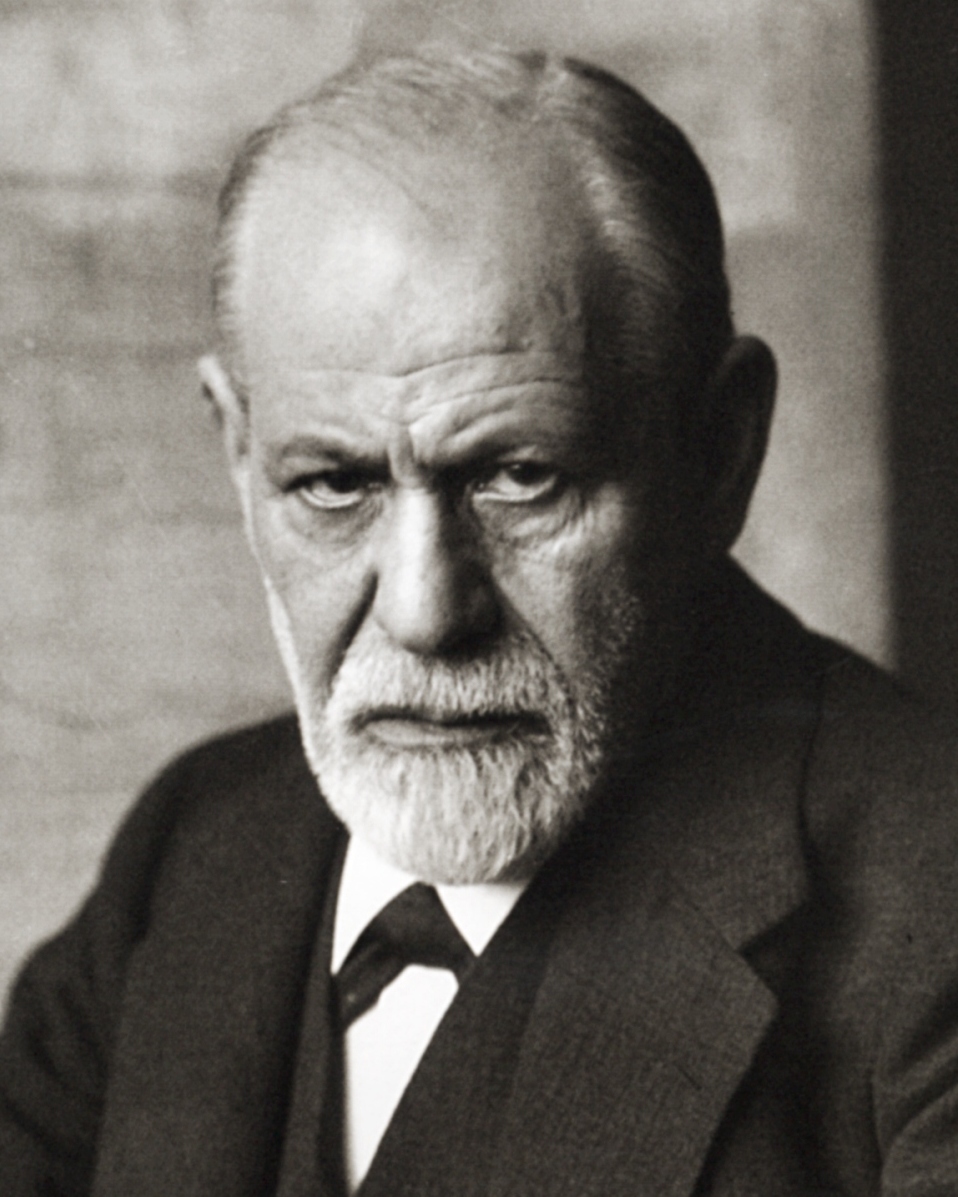
Sigmund Freud
An Austrian neurologist and the founder of psychoanalysis, who profoundly changed how humanity understands the unconscious mind and human behavior.
Một nhà thần kinh học người Áo và là người sáng lập phân tâm học, đã thay đổi sâu sắc cách nhân loại hiểu về vô thức và hành vi con người.
This biography of Sigmund Freud helps you learn English through real historical stories. Explore Sigmund Freud's impact on the world.
born1856
died1939
nationalityAustrian
known forfounding psychoanalysis and theories of the unconscious mind
fieldneurology and psychology
Key Takeaways from this Biography
- He founded psychoanalysis, treating psychological issues through dialogue with a psychoanalystÔng đã sáng lập phân tâm học, điều trị các vấn đề tâm lý thông qua đối thoại với nhà phân tâm học
- He introduced the concept of the unconscious mind and the technique of dream interpretationÔng đã đưa ra khái niệm về tâm trí vô thức và kỹ thuật giải đoán giấc mơ
- He proposed the structural model of the psyche: the Id, the Ego, and the SuperegoÔng đề xuất mô hình cấu trúc của tâm lý: Bản năng (Id), Cái tôi (Ego) và Siêu tôi (Superego)
- Despite modern scientific critiques, his theories profoundly shaped Western culture, art, and psychiatryBất chấp những chỉ trích khoa học hiện đại, các lý thuyết của ông đã định hình sâu sắc văn hóa, nghệ thuật và tâm thần học phương Tây
Life Timeline
1856
Born in Freiberg, Moravia (now Czech Republic)Sinh ra ở Freiberg, Moravia (nay là Cộng hòa Séc)
1881
Received his medical degree from the University of ViennaNhận bằng y khoa tại Đại học Vienna
1899
Published 'The Interpretation of Dreams'Xuất bản 'Sự giải nghĩa những giấc mơ'
1923
Published 'The Ego and the Id', introducing his structural model of the psycheXuất bản 'Cái Tôi và cái Nó', giới thiệu mô hình cấu trúc tâm lý của ông
1938
Fled to London to escape the Nazi annexation of AustriaChạy trốn đến London để thoát khỏi cuộc sáp nhập Áo của Đức Quốc xã
1939
Died in London, EnglandQua đời ở London, Anh
Biography Reading: Sigmund Freud
background
Sigmund Freud was born in 1856 in Freiberg, Moravia, and spent most of his life in Vienna, Austria. He qualified as a doctor of medicine in 1881, initially focusing on neurobiology and the treatment of nervous disorders, such as hysteria. Through his clinical work and collaborations with colleagues like Josef Breuer, Freud began to realize that many of his patients' mental and physical symptoms had no obvious physiological cause. Instead, he hypothesized that these ailments stemmed from deeply buried traumatic memories and repressed emotions hidden within the unconscious mind.
Sigmund Freud sinh năm 1856 tại Freiberg, Moravia, và dành phần lớn cuộc đời ở Vienna, Áo. Ông lấy bằng bác sĩ y khoa vào năm 1881, ban đầu tập trung vào sinh học thần kinh và điều trị các chứng rối loạn thần kinh, chẳng hạn như chứng hysteria (rối loạn phân ly). Thông qua công việc lâm sàng và sự hợp tác với các đồng nghiệp như Josef Breuer, Freud bắt đầu nhận ra rằng nhiều triệu chứng về tinh thần và thể chất của bệnh nhân không có nguyên nhân sinh lý rõ ràng. Thay vào đó, ông đưa ra giả thuyết rằng những căn bệnh này bắt nguồn từ những ký ức đau buồn bị chôn vùi sâu sắc và những cảm xúc bị dồn nén ẩn sâu trong tâm trí vô thức.
achievement
To treat these psychological distresses, Freud developed "psychoanalysis," a revolutionary clinical method centered on dialogue between the patient and the psychoanalyst. In 1899, he published his masterwork, "The Interpretation of Dreams," famously arguing that dreams are the "royal road to the unconscious." He later introduced a structural model of the human psyche, dividing it into three conflicting parts: the primitive "Id" driven by basic desires, the moralizing "Superego," and the rational "Ego" that constantly mediates between the two and the external world.
Để điều trị những nỗi đau khổ tâm lý này, Freud đã phát triển "phân tâm học", một phương pháp lâm sàng mang tính cách mạng tập trung vào cuộc đối thoại giữa bệnh nhân và nhà phân tâm học. Năm 1899, ông xuất bản kiệt tác của mình, "Sự giải đoán giấc mơ", với lập luận nổi tiếng rằng giấc mơ là "con đường hoàng gia dẫn vào vô thức". Sau đó, ông đã giới thiệu một mô hình cấu trúc của tâm lý con người, chia nó thành ba phần xung đột: "Bản năng" (Id) nguyên thủy bị chi phối bởi những ham muốn cơ bản, "Siêu tôi" (Superego) đạo đức hóa, và "Cái tôi" (Ego) lý trí không ngừng hòa giải giữa hai phần kia và thế giới bên ngoài.
impact
Freud's theories regarding childhood development and human sexuality were highly controversial during his time, yet they attracted a massive international following. In 1938, following the Nazi annexation of Austria, the elderly Freud was forced to flee Vienna and seek refuge in London, where he died a year later. While modern empirical psychology has rejected or heavily modified many of his specific scientific claims, Freud's profound influence on psychiatry, literature, art, and our everyday vocabulary—introducing terms like "denial," "repression," and "Freudian slip"—remains absolutely undeniable.
Những lý thuyết của Freud liên quan đến sự phát triển thời thơ ấu và tình dục con người đã gây ra nhiều tranh cãi trong thời đại của ông, tuy nhiên chúng lại thu hút một lượng lớn người theo dõi trên toàn quốc tế. Năm 1938, sau khi Đức Quốc xã sáp nhập Áo, Freud khi đó đã cao tuổi buộc phải trốn khỏi Vienna và tìm nơi tị nạn ở London, nơi ông qua đời một năm sau đó. Mặc dù tâm lý học thực nghiệm hiện đại đã bác bỏ hoặc sửa đổi nhiều tuyên bố khoa học cụ thể của ông, nhưng ảnh hưởng sâu sắc của Freud đối với tâm thần học, văn học, nghệ thuật và vốn từ vựng hàng ngày của chúng ta—giới thiệu các thuật ngữ như "sự chối bỏ", "sự dồn nén" và "sự lỡ lời kiểu Freud"—vẫn là điều hoàn toàn không thể phủ nhận.
Essential Vocabulary
psychoanalysisphân tâm học
a system of psychological theory and therapy which aims to treat mental disorders by investigating the interaction of conscious and unconscious elements
một hệ thống lý thuyết và liệu pháp tâm lý nhằm điều trị các rối loạn tâm thần bằng cách điều tra sự tương tác của các yếu tố ý thức và vô thức
unconsciousvô thức
the part of the mind which is inaccessible to the conscious mind but which affects behavior and emotions
phần của tâm trí không thể tiếp cận được đối với tâm trí có ý thức nhưng lại ảnh hưởng đến hành vi và cảm xúc
repressedbị dồn nén / kìm nén
restrained, inhibited, or kept down; relating to memories or desires pushed into the unconscious
bị kiềm chế, ức chế hoặc kìm hãm; liên quan đến những ký ức hoặc ham muốn bị đẩy vào vô thức
mediateshòa giải / điều tiết
intervenes between people or forces in a dispute in order to bring about an agreement or reconciliation
can thiệp giữa những người hoặc các thế lực trong một cuộc tranh chấp nhằm mang lại một thỏa thuận hoặc sự hòa giải
psychetâm lý / tâm hồn
the human soul, mind, or spirit
tâm hồn, tâm trí hoặc tinh thần của con người
refugenơi tị nạn / sự trú ẩn
a condition of being safe or sheltered from pursuit, danger, or trouble
một tình trạng được an toàn hoặc được che chở khỏi sự truy đuổi, nguy hiểm hoặc rắc rối
Knowledge Check Quiz
FACTUAL1 / 4
What is the name of the clinical method Freud developed to treat psychological distress?
Flashcards
KNOWLEDGE
Who is the founder of psychoanalysis?
Sigmund Freud.
1 / 9