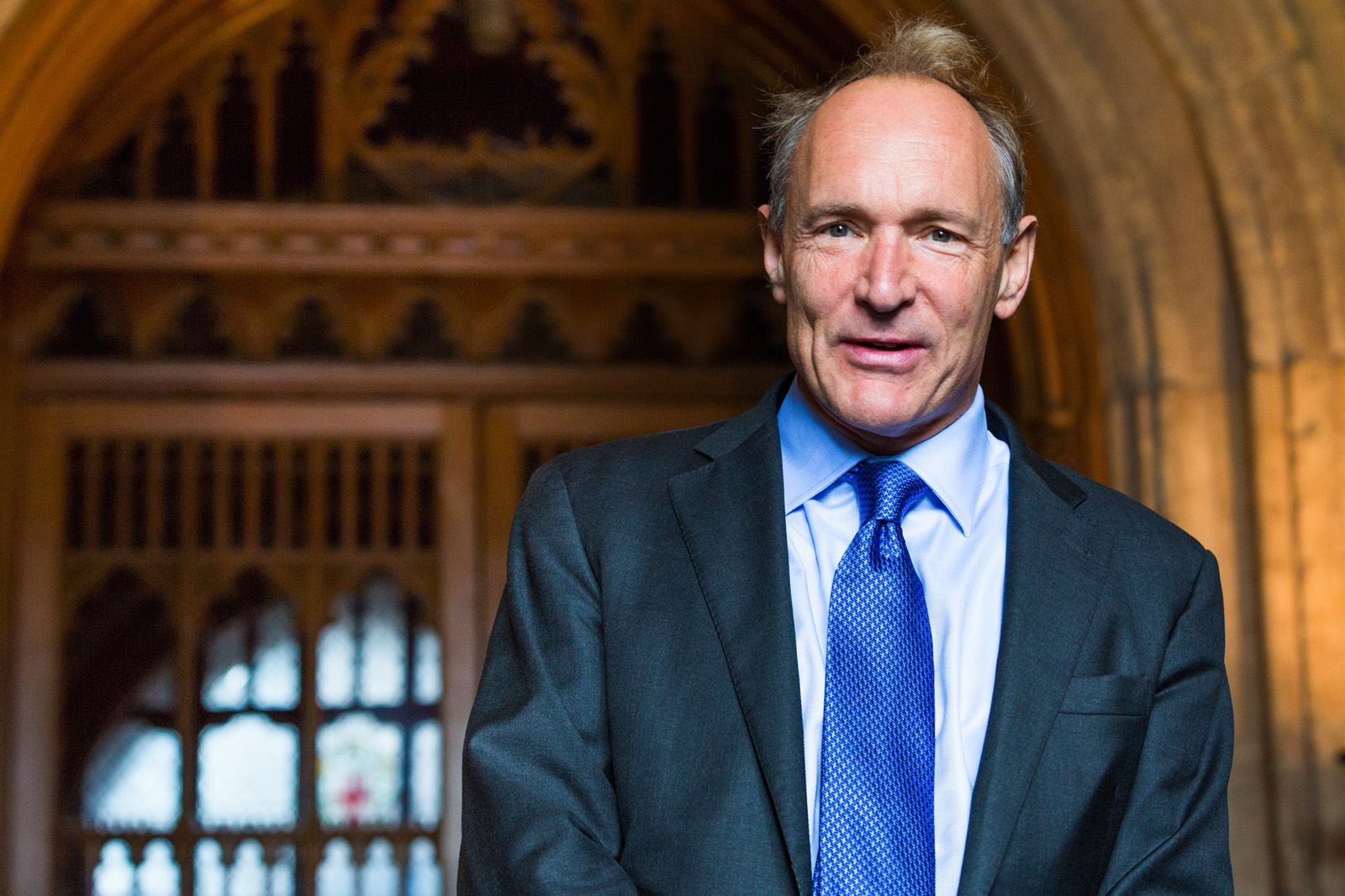
Tim Berners Lee
An English computer scientist best known as the inventor of the World Wide Web, revolutionizing global information sharing.
Một nhà khoa học máy tính người Anh nổi tiếng là người phát minh ra World Wide Web, cách mạng hóa việc chia sẻ thông tin toàn cầu.
This biography of Tim Berners Lee helps you learn English through real historical stories. Explore Tim Berners Lee's impact on the world.
born1955
diedPresent
nationalityEnglish
known forinventing the World Wide Web (WWW), HTML, URI, HTTP
fieldcomputer science
Key Takeaways from this Biography
- He invented the World Wide Web (WWW) while working at CERN in 1989Ông đã phát minh ra World Wide Web (WWW) khi làm việc tại CERN vào năm 1989
- He created the foundational technologies of the web: HTML, URI (URL), and HTTPÔng đã tạo ra các công nghệ nền tảng của web: HTML, URI (URL) và HTTP
- He made the Web entirely free and open to the public rather than patenting it for profitÔng đã làm cho Web hoàn toàn miễn phí và mở cho công chúng thay vì cấp bằng sáng chế để kiếm lời
- He founded the W3C to maintain web standards and advocates for digital privacyÔng thành lập W3C để duy trì các tiêu chuẩn web và ủng hộ quyền riêng tư kỹ thuật số
Life Timeline
1955
Born in London, EnglandSinh ra ở London, Anh
1989
Proposed an information management system that became the WebĐề xuất một hệ thống quản lý thông tin sau này trở thành Web
1990
Wrote the first web browser and server at CERNViết trình duyệt web và máy chủ đầu tiên tại CERN
1991
The World Wide Web became publicly availableWorld Wide Web chính thức ra mắt công chúng
1994
Founded the World Wide Web Consortium (W3C)Thành lập World Wide Web Consortium (W3C)
2004
Knighted by Queen Elizabeth IIĐược Nữ hoàng Elizabeth II phong tước Hiệp sĩ
Biography Reading: Tim Berners Lee
background
Sir Tim Berners-Lee, born in London in 1955, is the English computer scientist who forever changed the course of human history by inventing the World Wide Web. His parents were both early computer pioneers who worked on the Ferranti Mark 1, the first commercially built computer. Following in their footsteps, he studied physics at Oxford University before working as an independent contractor at CERN, the European Organization for Nuclear Research in Switzerland. It was there, amidst the frustration of researchers unable to easily share information across different computers, that the seed of a revolutionary idea was planted.
Ngài Tim Berners-Lee, sinh ra tại London vào năm 1955, là nhà khoa học máy tính người Anh, người đã thay đổi vĩnh viễn tiến trình lịch sử nhân loại bằng việc phát minh ra World Wide Web (Mạng lưới toàn cầu). Cha mẹ ông đều là những người tiên phong trong lĩnh vực máy tính thời kỳ đầu, từng làm việc với Ferranti Mark 1, chiếc máy tính được chế tạo thương mại đầu tiên. Nối bước họ, ông theo học ngành vật lý tại Đại học Oxford trước khi làm nhà thầu độc lập tại CERN, Tổ chức Nghiên cứu Hạt nhân Châu Âu ở Thụy Sĩ. Chính tại đây, giữa sự thất vọng của các nhà nghiên cứu không thể dễ dàng chia sẻ thông tin trên các máy tính khác nhau, hạt giống của một ý tưởng mang tính cách mạng đã được gieo mầm.
achievement
In 1989, Berners-Lee proposed a global hypertext project to facilitate sharing and updating information among researchers. By 1990, he had written the first web browser, the first web server, and defined the fundamental technologies that still power the internet today: HTML (Hypertext Markup Language), URI (Uniform Resource Identifier, now known as URL), and HTTP (Hypertext Transfer Protocol). Crucially, instead of patenting his creation to amass personal wealth, he and CERN decided to make the source code completely free and available to the public in 1991, ensuring the Web would be an open platform for everyone.
Năm 1989, Berners-Lee đã đề xuất một dự án siêu văn bản toàn cầu để tạo điều kiện thuận lợi cho việc chia sẻ và cập nhật thông tin giữa các nhà nghiên cứu. Đến năm 1990, ông đã viết trình duyệt web đầu tiên, máy chủ web đầu tiên và xác định các công nghệ nền tảng vẫn đang vận hành mạng internet ngày nay: HTML (Ngôn ngữ đánh dấu siêu văn bản), URI (Mã định danh tài nguyên đồng nhất, nay gọi là URL) và HTTP (Giao thức truyền siêu văn bản). Điều quan trọng là, thay vì cấp bằng sáng chế cho sáng tạo của mình để tích lũy tài sản cá nhân, ông và CERN đã quyết định cung cấp mã nguồn hoàn toàn miễn phí và công khai cho công chúng vào năm 1991, đảm bảo Web sẽ là một nền tảng mở cho tất cả mọi người.
impact
To protect the open nature of his invention, Berners-Lee founded the World Wide Web Consortium (W3C) in 1994, which creates standards to ensure the Web continues to function seamlessly across the globe. Today, he remains a vocal advocate for digital rights, net neutrality, and data privacy, frequently warning against the centralization of the web by large tech corporations. His monumental contribution has democratized information, transformed global commerce, and interconnected humanity in ways previously unimaginable, earning him a knighthood and the Turing Award, often considered the "Nobel Prize of Computing."
Để bảo vệ bản chất mở của phát minh của mình, Berners-Lee đã thành lập World Wide Web Consortium (W3C) vào năm 1994, tổ chức này tạo ra các tiêu chuẩn để đảm bảo Web tiếp tục hoạt động trơn tru trên toàn cầu. Ngày nay, ông vẫn là một người lên tiếng ủng hộ các quyền kỹ thuật số, tính trung lập của mạng và quyền riêng tư dữ liệu, thường xuyên cảnh báo về sự tập trung hóa của web bởi các tập đoàn công nghệ lớn. Đóng góp vĩ đại của ông đã dân chủ hóa thông tin, biến đổi thương mại toàn cầu và kết nối nhân loại theo những cách trước đây không thể tưởng tượng được, mang lại cho ông tước hiệu hiệp sĩ và Giải thưởng Turing, thường được coi là "Giải Nobel của ngành Máy tính".
Essential Vocabulary
hypertextsiêu văn bản
a software system that links topics on the screen to related information and graphics
một hệ thống phần mềm liên kết các chủ đề trên màn hình với thông tin và đồ họa liên quan
patentcấp bằng sáng chế
to obtain a government authority conferring a right or title, especially the sole right to exclude others from making, using, or selling an invention
đạt được quyền hạn của chính phủ trao quyền hoặc quyền sở hữu, đặc biệt là quyền độc quyền loại trừ người khác khỏi việc chế tạo, sử dụng hoặc bán một phát minh
centralizationsự tập trung hóa
the concentration of control of an activity or organization under a single authority
sự tập trung kiểm soát một hoạt động hoặc tổ chức dưới một thẩm quyền duy nhất
democratizedân chủ hóa
to make something accessible to everyone
làm cho một cái gì đó có thể tiếp cận được với tất cả mọi người
seamlesslymột cách trơn tru / liền mạch
smoothly and continuously, with no apparent gaps or spaces between one part and the next
một cách trơn tru và liên tục, không có khoảng cách hoặc khoảng trống rõ ràng giữa phần này và phần tiếp theo
consortiumhiệp hội / tổ chức
an association, typically of several business companies or organizations
một hiệp hội, thường là của một số công ty hoặc tổ chức kinh doanh
Knowledge Check Quiz
FACTUAL1 / 4
In which organization was Tim Berners-Lee working when he invented the World Wide Web?
Flashcards
KNOWLEDGE
Who invented the World Wide Web?
Tim Berners-Lee.
1 / 9