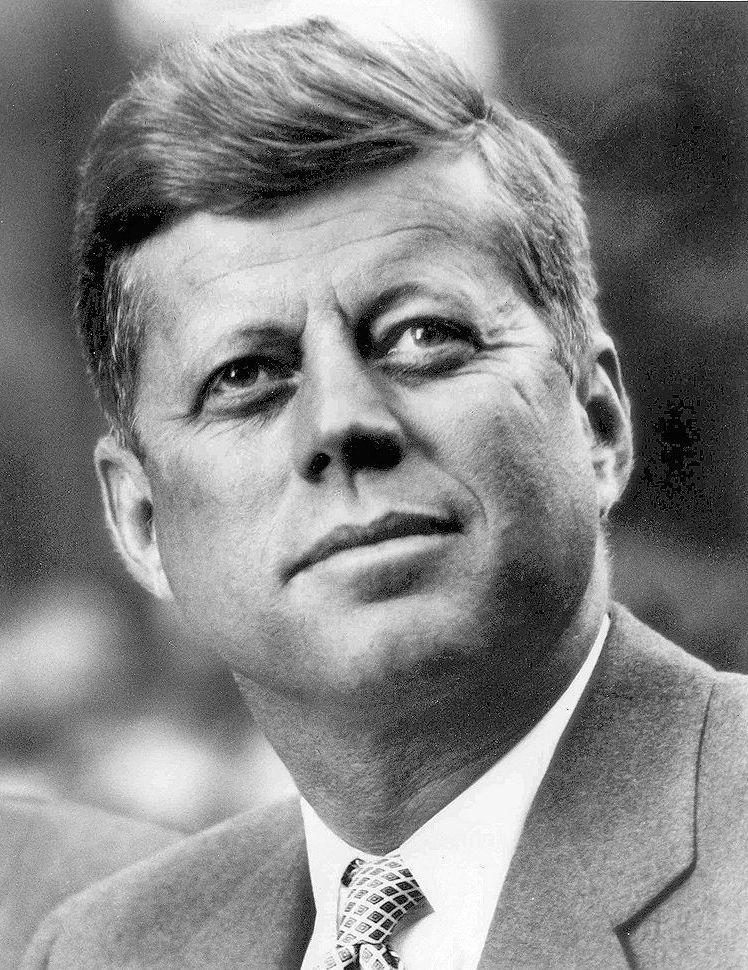
John F. Kennedy
The 35th President of the United States, a charismatic leader who navigated the Cold War's most dangerous moments and inspired a generation with his "New Frontier" vision.
Tổng thống thứ 35 của Hoa Kỳ, một nhà lãnh đạo lôi cuốn đã điều hướng những thời khắc nguy hiểm nhất của Chiến tranh Lạnh và truyền cảm hứng cho một thế hệ với tầm nhìn "New Frontier".
This biography of John F. Kennedy helps you learn English through real historical stories. Explore John F. Kennedy's impact on the world.
born1917
died1963
nationalityAmerican
known forLeading the US during the Cuban Missile Crisis and initiating the Apollo moon program
fieldpolitics and leadership
Key Takeaways from this Biography
- He was the youngest person ever elected President of the United StatesÔng là người trẻ tuổi nhất từng đắc cử Tổng thống Hoa Kỳ
- He successfully navigated the Cuban Missile Crisis, preventing a potential nuclear warÔng đã lèo lái thành công Cuộc khủng hoảng tên lửa Cuba, ngăn chặn một cuộc chiến tranh hạt nhân tiềm tàng
- He initiated the Apollo space program with the goal of landing a man on the MoonÔng đã khởi xướng chương trình không gian Apollo với mục tiêu đưa người lên Mặt trăng
- He inspired millions with his call to public service in his famous Inaugural AddressÔng đã truyền cảm hứng cho hàng triệu người bằng lời kêu gọi phục vụ công ích trong bài diễn văn nhậm chức nổi tiếng
Life Timeline
1917
Born in Brookline, MassachusettsSinh ra ở Brookline, Massachusetts
1960
Elected as the youngest person ever to the US presidencyĐược bầu làm người trẻ nhất từng giữ chức tổng thống Hoa Kỳ
1961
Delivered his famous Inaugural Address and established the Peace CorpsĐọc Bài Diễn văn Nhậm chức nổi tiếng của mình và thành lập Quân đoàn Hòa bình (Peace Corps)
1962
Successfully resolved the Cuban Missile CrisisGiải quyết thành công Khủng hoảng Tên lửa Cuba
1963
Delivered the 'Ich bin ein Berliner' speech and was assassinated in DallasĐọc bài diễn văn 'Ich bin ein Berliner' và bị ám sát ở Dallas
Biography Reading: John F. Kennedy
background
John Fitzgerald Kennedy, often referred to as JFK, was born in 1917 into a wealthy and politically influential Irish-American family. A Harvard graduate and a decorated World War II naval hero, he entered politics with a youthful energy that captivated the American public. In 1960, he won one of the closest elections in US history, becoming the youngest person ever elected to the presidency. In his stirring inaugural address, he famously challenged his fellow citizens with the words: "Ask not what your country can do for you—ask what you can do for your country."
John Fitzgerald Kennedy, thường được gọi là JFK, sinh năm 1917 trong một gia đình người Mỹ gốc Ireland giàu có và có ảnh hưởng về chính trị. Là một sinh viên tốt nghiệp Harvard và một anh hùng hải quân được tặng thưởng trong Thế chiến II, ông bước vào chính trường với nguồn năng lượng trẻ trung làm say đắm công chúng Mỹ. Năm 1960, ông đã giành chiến thắng trong một cuộc bầu cử sít sao nhất trong lịch sử Hoa Kỳ, trở thành người trẻ tuổi nhất từng đắc cử tổng thống. Trong bài diễn văn nhậm chức đầy hào hứng của mình, ông đã thách thức đồng bào mình bằng câu nói nổi tiếng: "Đừng hỏi Tổ quốc có thể làm gì cho bạn — hãy hỏi bạn có thể làm gì cho Tổ quốc."
achievement
Kennedy's brief presidency was dominated by the high-stakes tensions of the Cold War. In 1962, he faced his greatest trial during the Cuban Missile Crisis, a 13-day political and military standoff that brought the world to the brink of nuclear war; through calm and firm diplomacy, he successfully secured the removal of Soviet missiles from Cuba. Domestically, he introduced the "New Frontier" program, which aimed to eliminate poverty, advance civil rights, and, most ambitiously, committed the United States to landing a man on the Moon before the end of the 1960s.
Nhiệm kỳ tổng thống ngắn ngủi của Kennedy bị chi phối bởi những căng thẳng đặt cược cao của Chiến tranh Lạnh. Năm 1962, ông đối mặt với thử thách lớn nhất trong Cuộc khủng hoảng tên lửa Cuba, một cuộc đối đầu chính trị và quân sự kéo dài 13 ngày đã đưa thế giới đến bờ vực chiến tranh hạt nhân; thông qua nền ngoại giao bình tĩnh và kiên quyết, ông đã đảm bảo thành công việc loại bỏ các tên lửa của Liên Xô khỏi Cuba. Về đối nội, ông đã giới thiệu chương trình "Biên giới mới", nhằm xóa nghèo, thúc đẩy quyền dân sự và tham vọng nhất là cam kết đưa Hoa Kỳ đưa người lên Mặt trăng trước khi kết thúc thập niên 1960.
impact
Tragically, Kennedy's life and presidency were cut short when he was assassinated in Dallas, Texas, on November 22, 1963. Despite serving less than three years, his legacy remains profoundly influential. He is remembered for his exceptional oratory skills, his cool-headed leadership during global crises, and his ability to inspire idealism in a generation of Americans. His establishment of the Peace Corps and his unwavering support for space exploration continue to shape the nation's global engagement and scientific aspirations today.
Thật bi thảm, cuộc đời và nhiệm kỳ tổng thống của Kennedy đã bị cắt ngắn khi ông bị ám sát tại Dallas, Texas, vào ngày 22 tháng 11 năm 1963. Mặc dù phục vụ chưa đầy ba năm, di sản của ông vẫn có sức ảnh hưởng sâu sắc. Ông được nhớ đến bởi khả năng hùng biện xuất chúng, sự lãnh đạo điềm tĩnh trong các cuộc khủng hoảng toàn cầu và khả năng khơi dậy chủ nghĩa lý tưởng trong một thế hệ người Mỹ. Việc thành lập Quân đoàn Hòa bình và sự ủng hộ không lay chuyển của ông đối với việc thám hiểm không gian tiếp tục định hình cam kết toàn cầu và khát vọng khoa học của quốc gia ngày nay.
Essential Vocabulary
charismaticthuyết phục / lôi cuốn
exercising a compelling charm which inspires devotion in others
thể hiện một sức hút hấp dẫn khơi dậy sự tận tâm ở người khác
inauguralnhậm chức / khai mạc
marking the beginning of an institution, activity, or period of office
đánh dấu sự bắt đầu của một tổ chức, hoạt động hoặc nhiệm kỳ chính thức
standoffsự bế tắc / đối đầu
a deadlock between two equally matched opponents in a dispute or conflict
sự bế tắc giữa hai đối thủ ngang sức ngang tài trong một cuộc tranh chấp hoặc xung đột
brinkbờ vực
the extreme edge of land before a steep or vertical slope; a point at which something, typically something unwelcome, is about to happen
mép đất cuối cùng trước một dốc đứng; một thời điểm mà điều gì đó, thường là điều không mong muốn, sắp xảy ra
oratorykhả năng hùng biện
the art or practice of formal speaking in public
nghệ thuật hoặc thực hành nói chuyện chính thức trước công chúng
idealismchủ nghĩa lý tưởng
the unrealistic belief in or pursuit of perfection
niềm tin phi thực tế hoặc việc theo đuổi sự hoàn hảo
Knowledge Check Quiz
FACTUAL1 / 4
What major global crisis in 1962 brought the world to the brink of nuclear war during Kennedy's presidency?
Flashcards
KNOWLEDGE
Who was the 35th President of the United States, serving from 1961 to 1963?
John F. Kennedy (JFK).
1 / 9