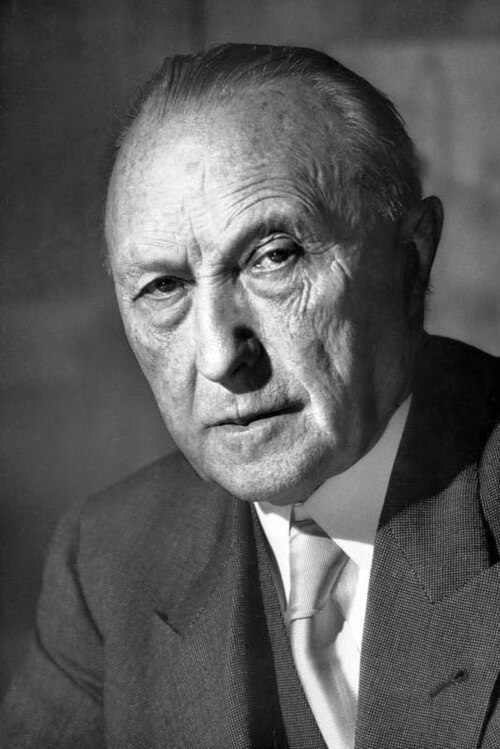
Konrad Adenauer
The first Chancellor of West Germany who led the nation's remarkable recovery from the ruins of World War II and integrated it into the Western alliance.
Thủ tướng đầu tiên của Tây Đức, người đã dẫn dắt quốc gia phục hồi mạnh mẽ sau đống đổ nát của Thế chiến II và hội nhập vào liên minh phương Tây.
This biography of Konrad Adenauer helps you learn English through real historical stories. Explore Konrad Adenauer's impact on the world.
born1876
died1967
nationalityGerman
known forLeading West Germany's post-WWII reconstruction and Western integration
fieldpolitics and nation building
Key Takeaways from this Biography
- He became the first Chancellor of West Germany in 1949 at the remarkable age of 73Ông trở thành Thủ tướng đầu tiên của Tây Đức vào năm 1949 ở độ tuổi 73 đáng kinh ngạc
- He oversaw the 'Wirtschaftswunder' (economic miracle) that rebuilt a shattered post-WWII GermanyÔng giám sát 'Wirtschaftswunder' (phép màu kinh tế) giúp xây dựng lại một nước Đức tan vỡ sau Thế chiến II
- He firmly integrated West Germany into the Western alliance, securing its entry into NATOÔng đã hội nhập vững chắc Tây Đức vào liên minh phương Tây, đảm bảo việc gia nhập NATO
- He prioritized historic reconciliation with former enemies, laying the groundwork for the European UnionÔng ưu tiên sự hòa giải lịch sử với các cựu thù, đặt nền móng cho Liên minh châu Âu
Life Timeline
1876
Born in Cologne, GermanySinh ra ở Cologne, Đức
1917
Became Mayor of CologneTrở thành Thị trưởng Cologne
1933
Dismissed from office by the Nazi regimeBị chế độ Quốc xã cách chức
1949
Elected as the first Chancellor of West GermanyĐược bầu làm Thủ tướng đầu tiên của Tây Đức
1955
Secured West Germany's entry into NATOBảo đảm việc Tây Đức gia nhập NATO
1963
Resigned as ChancellorTừ chức Thủ tướng
1967
Died in Rhöndorf, West GermanyQua đời ở Rhöndorf, Tây Đức
Biography Reading: Konrad Adenauer
background
Konrad Adenauer was born in 1876 in Cologne, Germany. A pragmatic and devout Catholic, he enjoyed a long and successful career in local politics, serving as the Mayor of Cologne for 16 years until he was abruptly dismissed and briefly imprisoned by the Nazi regime in 1933. Surviving the devastating destruction of World War II, Adenauer re-entered politics at the remarkable age of 73, becoming the first Chancellor of the newly formed Federal Republic of Germany (West Germany) in 1949.
Konrad Adenauer sinh năm 1876 tại Cologne, Đức. Là một người Công giáo thực dụng và sùng đạo, ông đã có một sự nghiệp lâu dài và thành công trong chính trị địa phương, phục vụ với tư cách là Thị trưởng Cologne trong 16 năm cho đến khi bị chế độ Đức Quốc xã bất ngờ sa thải và bỏ tù trong một thời gian ngắn vào năm 1933. Sống sót sau sự tàn phá khốc liệt của Thế chiến II, Adenauer tái gia nhập chính trường ở độ tuổi 73 đáng kinh ngạc, trở thành Thủ tướng đầu tiên của Cộng hòa Liên bang Đức (Tây Đức) mới được thành lập vào năm 1949.
achievement
As Chancellor, Adenauer faced the monumental task of rebuilding a physically and morally shattered nation. He presided over the "Wirtschaftswunder" (economic miracle), a period of rapid and unprecedented economic growth that transformed West Germany into a prosperous democratic state. Abandoning the aggressive militarism of the past, he firmly anchored the country in the Western bloc during the escalating Cold War, ensuring its admission into NATO and championing the early stages of European integration alongside France.
Trên cương vị Thủ tướng, Adenauer phải đối mặt với nhiệm vụ to lớn là xây dựng lại một quốc gia đã tan vỡ cả về thể chất lẫn đạo đức. Ông đã chủ trì "Wirtschaftswunder" (phép màu kinh tế), một thời kỳ tăng trưởng kinh tế nhanh chóng và chưa từng có đã biến Tây Đức thành một quốc gia dân chủ thịnh vượng. Từ bỏ chủ nghĩa quân phiệt hiếu chiến trong quá khứ, ông đã cắm neo vững chắc đất nước vào khối phương Tây trong bối cảnh Chiến tranh Lạnh đang leo thang, đảm bảo việc gia nhập NATO và đi đầu trong những giai đoạn đầu của sự hội nhập châu Âu cùng với Pháp.
impact
Known affectionately as "Der Alte" (The Old Man), Adenauer's leadership style was characterized by shrewd diplomacy, authoritarian paternalism, and an unyielding commitment to stability. He prioritized reconciliation with former enemies, notably signing a historic reparations agreement with Israel and forging a deep friendship with French President Charles de Gaulle. Retiring in 1963 at the age of 87, Konrad Adenauer left behind a resurrected, internationally respected Germany, firmly establishing himself as one of the founding fathers of modern Europe.
Được gọi một cách trìu mến là "Der Alte" (Ông già), phong cách lãnh đạo của Adenauer đặc trưng bởi nền ngoại giao sắc sảo, chủ nghĩa gia trưởng độc đoán và cam kết không khoan nhượng đối với sự ổn định. Ông ưu tiên sự hòa giải với các cựu thù, đáng chú ý là việc ký kết một thỏa thuận bồi thường lịch sử với Israel và củng cố một tình bạn sâu sắc với Tổng thống Pháp Charles de Gaulle. Nghỉ hưu năm 1963 ở tuổi 87, Konrad Adenauer để lại một nước Đức hồi sinh, được quốc tế tôn trọng, củng cố vững chắc vị trí của ông như một trong những người cha đẻ của châu Âu hiện đại.
Essential Vocabulary
pragmaticthực dụng / thực tế
dealing with things sensibly and realistically in a way that is based on practical rather than theoretical considerations
giải quyết mọi việc một cách hợp lý và thực tế theo cách dựa trên những cân nhắc thực tiễn hơn là lý thuyết
shatteredtan vỡ / tàn phá
completely destroyed or ruined
bị phá hủy hoặc tàn phá hoàn toàn
miraclephép màu / kỳ tích
a highly improbable or extraordinary event, development, or accomplishment
một sự kiện, sự phát triển hoặc thành tựu rất khó xảy ra hoặc phi thường
anchorcắm neo / gắn chặt
secure firmly in position; provide with a firm basis or foundation
giữ chặt ở một vị trí; cung cấp một cơ sở hoặc nền tảng vững chắc
shrewdsắc sảo / khôn ngoan
having or showing sharp powers of judgment; astute
có hoặc thể hiện khả năng phán đoán nhạy bén; khôn ngoan
reconciliationsự hòa giải
the restoration of friendly relations
sự khôi phục các mối quan hệ thân thiện
Knowledge Check Quiz
FACTUAL1 / 4
How old was Konrad Adenauer when he became the first Chancellor of West Germany?
Flashcards
KNOWLEDGE
Who was the first Chancellor of West Germany after World War II?
Konrad Adenauer.
1 / 9