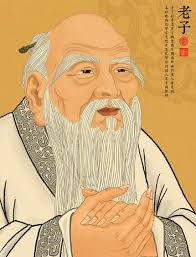
Lao Tzu
An ancient Chinese philosopher and writer, renowned as the reputed author of the Tao Te Ching and the founder of philosophical Taoism.
Một triết gia và nhà văn Trung Quốc cổ đại, được cho là tác giả của Đạo Đức Kinh và là người sáng lập Đạo gia triết học.
This biography of Lao Tzu helps you learn English through real historical stories. Explore Lao Tzu's impact on the world.
bornc. 6th century BC (traditional)
diedc. 5th century BC (traditional)
nationalityChinese
known forauthoring the Tao Te Ching and founding Taoism
fieldphilosophy and religion
Key Takeaways from this Biography
- He is a semi-legendary ancient Chinese philosopher and the founder of TaoismÔng là một triết gia Trung Quốc cổ đại bán huyền thoại và là người sáng lập ra Đạo giáo
- He wrote the Tao Te Ching, one of the most translated philosophical texts in historyÔng đã viết Đạo Đức Kinh, một trong những văn bản triết học được dịch nhiều nhất trong lịch sử
- His philosophy centers on the 'Tao' (The Way), the natural order of the universeTriết lý của ông tập trung vào 'Đạo' (Con đường), trật tự tự nhiên của vũ trụ
- He advocated for 'Wu Wei' (non-action), teaching people to live in harmony with natureÔng ủng hộ 'Vô vi' (không hành động), dạy mọi người sống hài hòa với thiên nhiên
Life Timeline
c. 6th century BC
Born in the State of Chu (according to tradition)Sinh ra ở nước Sở (theo truyền thuyết)
c. 6th century BC
Worked as the Keeper of the Archives for the royal court of ZhouLàm Quan giữ kho lưu trữ cho triều đình nhà Chu
c. 6th century BC
Met and advised a young Confucius, according to legendary accountsGặp gỡ và khuyên bảo Khổng Tử thời trẻ, theo các ghi chép huyền thoại
c. 5th century BC
Left the declining Zhou dynasty and traveled west on a water buffaloRời bỏ nhà Chu đang suy tàn và cưỡi trâu đi về phía tây
c. 5th century BC
Wrote the Tao Te Ching at the western frontier pass before vanishingViết Đạo Đức Kinh tại ải biên giới phía tây trước khi biến mất
Biography Reading: Lao Tzu
background
Lao Tzu, whose name translates to "Old Master," is a semi-legendary figure of ancient China, traditionally believed to have lived in the 6th century BC during the Spring and Autumn period. According to historical records by Sima Qian, he served as the Keeper of the Archives for the royal court of the Zhou Dynasty. This position granted him vast access to the wisdom of ancient texts, allowing him to develop a profound understanding of nature, history, and human behavior. Legend has it that he even met and advised a younger Confucius, critiquing his emphasis on rigid rituals and social ambition.
Lão Tử, cái tên mang ý nghĩa là "Bậc thầy lão thành" (hay "Bậc thầy già"), là một nhân vật bán huyền thoại của Trung Quốc cổ đại, theo truyền thống được cho là sống vào thế kỷ thứ 6 TCN trong thời kỳ Xuân Thu. Theo ghi chép lịch sử của Tư Mã Thiên, ông giữ chức quan Thủ tàng thất (người quản lý thư viện) cho triều đình nhà Chu. Vị trí này cho phép ông tiếp cận rộng rãi với trí tuệ của các văn bản cổ, giúp ông phát triển một sự hiểu biết sâu sắc về tự nhiên, lịch sử và hành vi con người. Truyền thuyết kể rằng ông thậm chí đã gặp và đưa ra lời khuyên cho Khổng Tử khi còn trẻ, phê phán sự chú trọng của ông đối với các nghi lễ cứng nhắc và tham vọng xã hội.
achievement
Observing the moral decay and inevitable decline of the Zhou Dynasty, a disillusioned Lao Tzu decided to leave civilization behind and travel west, famously riding a water buffalo. When he reached the western frontier pass, a border guard recognized the wise sage and begged him to write down his wisdom before departing forever. In response, Lao Tzu composed the "Tao Te Ching" (The Book of the Way and its Virtue), a short but incredibly dense poetic text of about 5,000 characters. He then crossed the border and vanished into the mists of myth, leaving behind a legacy that would forever alter Chinese spirituality.
Chứng kiến sự suy đồi đạo đức và sự suy tàn tất yếu của nhà Chu, Lão Tử đã vỡ mộng và quyết định bỏ lại nền văn minh phía sau để đi về phương Tây, nổi tiếng với hình ảnh cưỡi trên một con trâu nước. Khi ông đến ải biên giới phía tây, một người lính gác biên giới đã nhận ra vị hiền triết khôn ngoan và cầu xin ông viết lại trí tuệ của mình trước khi rời đi mãi mãi. Đáp lại, Lão Tử đã sáng tác cuốn "Đạo Đức Kinh", một văn bản thơ ngắn nhưng vô cùng súc tích gồm khoảng 5.000 chữ. Sau đó, ông vượt qua biên giới và biến mất vào màn sương mù của thần thoại, để lại một di sản sẽ thay đổi mãi mãi nền tâm linh của Trung Quốc.
impact
The core of Lao Tzu's philosophy is "Tao" (The Way), an indescribable, mysterious force that flows through and sustains the entire universe. Unlike Confucianism, which stresses strict social order and moral duties, Taoism advocates for "Wu Wei" (non-action or effortless action). This concept teaches people to align themselves with the natural flow of life, living with humility, simplicity, and compassion rather than forcing their will upon the world. Over the millennia, Lao Tzu's gentle yet profound teachings have offered a peaceful, contemplative alternative to the rigid structures of society, profoundly influencing East Asian art, medicine, and martial arts.
Cốt lõi trong triết lý của Lão Tử là "Đạo" (Con đường), một lực lượng huyền bí, không thể diễn tả bằng lời, tuôn chảy và duy trì toàn bộ vũ trụ. Không giống như Nho giáo, vốn nhấn mạnh trật tự xã hội nghiêm ngặt và các nghĩa vụ đạo đức, Đạo giáo ủng hộ "Vô vi" (không hành động hoặc hành động thuận tự nhiên). Khái niệm này dạy mọi người hòa mình vào dòng chảy tự nhiên của cuộc sống, sống với sự khiêm tốn, giản dị và từ bi thay vì áp đặt ý chí của mình lên thế giới. Qua hàng thiên niên kỷ, những lời dạy nhẹ nhàng nhưng sâu sắc của Lão Tử đã mang đến một sự thay thế mang tính chiêm nghiệm, yên bình cho các cấu trúc cứng nhắc của xã hội, ảnh hưởng sâu sắc đến nghệ thuật, y học và võ thuật Đông Á.
Essential Vocabulary
semi-legendarybán huyền thoại
having characteristics of both history and myth; partly legendary
có đặc điểm của cả lịch sử và thần thoại; một phần là truyền thuyết
frontiervùng biên giới
a line or border separating two countries or areas
một ranh giới hoặc biên giới ngăn cách hai quốc gia hoặc khu vực
sagevị hiền triết
a profoundly wise person, especially one who features in ancient history or legend
một người vô cùng khôn ngoan, đặc biệt là người xuất hiện trong lịch sử cổ đại hoặc truyền thuyết
humilitysự khiêm tốn
a modest or low view of one's own importance; humbleness
sự đánh giá khiêm tốn hoặc thấp về tầm quan trọng của chính mình; sự nhún nhường
contemplativemang tính chiêm nghiệm
expressing or involving prolonged thought
thể hiện hoặc liên quan đến suy nghĩ sâu sắc, kéo dài
effortlesskhông cần cố gắng / tự nhiên
requiring no physical or mental exertion
không đòi hỏi sự nỗ lực về thể chất hoặc tinh thần
Knowledge Check Quiz
FACTUAL1 / 4
What is the name of the poetic text Lao Tzu composed before vanishing?
Flashcards
KNOWLEDGE
Who was Lao Tzu?
An ancient Chinese philosopher and the founder of Taoism.
1 / 9