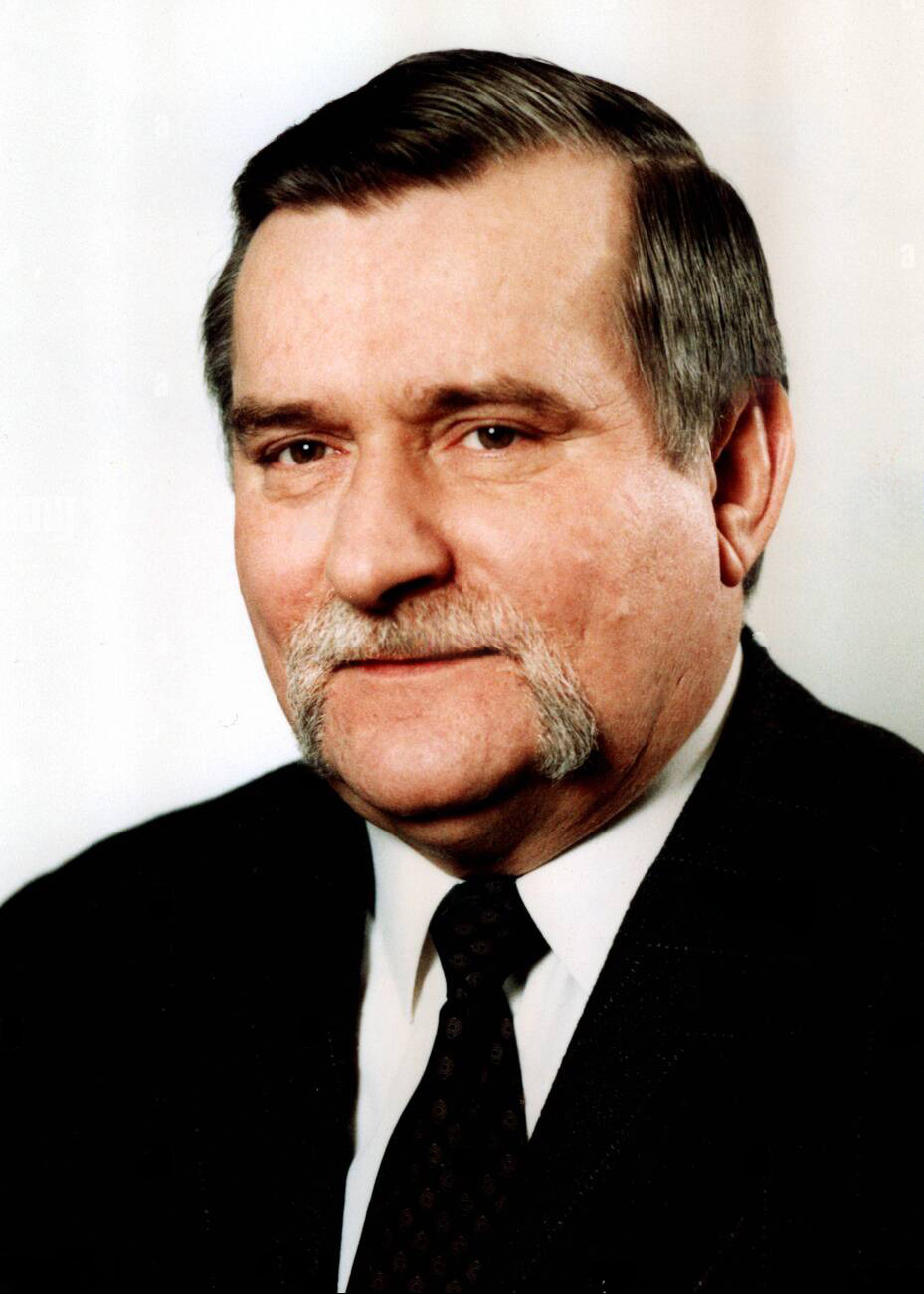
Lech Walesa
A Polish labor activist and politician who co-founded Solidarity, playing a crucial role in the peaceful end of communism in Poland.
Một nhà hoạt động lao động và chính trị gia người Ba Lan, đồng sáng lập Công đoàn Đoàn Kết, đóng vai trò quan trọng trong việc chấm dứt hòa bình chủ nghĩa cộng sản tại Ba Lan.
This biography of Lech Walesa helps you learn English through real historical stories. Explore Lech Walesa's impact on the world.
born1943
diedPresent
nationalityPolish
known forLeading the Solidarity movement and ending communism in Poland
fieldpolitics and labor rights
Key Takeaways from this Biography
- He was a shipyard electrician who led the 1980 Gdańsk strike, founding the Solidarity trade unionÔng là một thợ điện xưởng đóng tàu, người đã lãnh đạo cuộc đình công Gdańsk năm 1980, thành lập công đoàn Đoàn kết
- He bravely resisted martial law and imprisonment, winning the 1983 Nobel Peace PrizeÔng đã dũng cảm chống lại thiết quân luật và việc bị bỏ tù, giành giải Nobel Hòa bình năm 1983
- He led peaceful negotiations that resulted in Poland's transition from communism to democracyÔng đã lãnh đạo các cuộc đàm phán hòa bình dẫn đến sự chuyển đổi của Ba Lan từ chủ nghĩa cộng sản sang nền dân chủ
- He achieved the extraordinary feat of becoming the first democratically elected President of Poland in 1990Ông đã đạt được kỳ tích phi thường khi trở thành Tổng thống Ba Lan đầu tiên được bầu cử dân chủ vào năm 1990
Life Timeline
1943
Born in Popowo, PolandSinh ra ở Popowo, Ba Lan
1980
Led the historic strike at the Lenin Shipyard in GdańskLãnh đạo cuộc đình công mang tính lịch sử tại Xưởng đóng tàu Lenin ở Gdańsk
1981
Interned under martial law by the communist governmentBị chính quyền cộng sản giam giữ theo thiết quân luật
1983
Awarded the Nobel Peace PrizeĐược trao giải Nobel Hòa bình
1989
Negotiated the Round Table Agreement leading to semi-free electionsĐàm phán Hiệp định Bàn tròn dẫn đến các cuộc bầu cử bán tự do
1990
Elected as the first democratically elected President of PolandĐược bầu làm Tổng thống được bầu cử dân chủ đầu tiên của Ba Lan
Biography Reading: Lech Walesa
background
Lech Wałęsa was born in 1943 in Popowo, Poland. Working as an electrician at the Lenin Shipyard in Gdańsk, he became a prominent and courageous labor activist. In 1980, he led a massive, historic strike that forced the communist government to yield to the workers' demands. This unprecedented victory led to the creation of "Solidarity" (Solidarność), the Soviet bloc's first independent trade union, with Wałęsa serving as its charismatic chairman.
Lech Wałęsa sinh năm 1943 tại Popowo, Ba Lan. Làm thợ điện tại Xưởng đóng tàu Lenin ở Gdańsk, ông đã trở thành một nhà hoạt động lao động nổi bật và can đảm. Năm 1980, ông lãnh đạo một cuộc đình công lịch sử, quy mô lớn buộc chính quyền cộng sản phải nhượng bộ trước các yêu sách của công nhân. Chiến thắng chưa từng có này đã dẫn đến việc thành lập "Đoàn kết" (Solidarność), công đoàn độc lập đầu tiên của khối Xô Viết, với Wałęsa giữ chức chủ tịch đầy uy tín.
achievement
Solidarity quickly grew into a massive national movement with millions of members, demanding broader political and economic reforms. Feeling deeply threatened, the Polish communist regime imposed strict martial law in 1981, outlawing the union and arresting Wałęsa along with thousands of other leaders. He spent nearly a year in prison but adamantly refused to compromise his principles. His peaceful, unwavering resistance earned him the Nobel Peace Prize in 1983, bringing intense international attention to Poland's struggle for freedom.
Công đoàn Đoàn kết nhanh chóng phát triển thành một phong trào quốc gia khổng lồ với hàng triệu thành viên, đòi hỏi những cải cách chính trị và kinh tế rộng lớn hơn. Cảm thấy bị đe dọa sâu sắc, chế độ cộng sản Ba Lan đã áp đặt thiết quân luật nghiêm ngặt vào năm 1981, đặt công đoàn này ra ngoài vòng pháp luật và bắt giữ Wałęsa cùng với hàng ngàn nhà lãnh đạo khác. Ông đã trải qua gần một năm trong tù nhưng kiên quyết từ chối thỏa hiệp các nguyên tắc của mình. Sự phản kháng ôn hòa, không lay chuyển của ông đã mang về cho ông Giải Nobel Hòa bình năm 1983, thu hút sự chú ý mãnh liệt của quốc tế đối với cuộc đấu tranh giành tự do của Ba Lan.
impact
By the late 1980s, facing severe economic collapse and persistent strikes, the government was forced to negotiate. Wałęsa played a pivotal role in the 1989 Round Table Agreement, which paved the way for semi-free elections and the eventual peaceful transition to democracy. In 1990, the former shipyard electrician achieved the extraordinary feat of becoming the first democratically elected President of Poland since the end of World War II. Serving until 1995, he cemented his legacy as a working-class hero who helped dismantle the Iron Curtain across Eastern Europe.
Đến cuối những năm 1980, đối mặt với sự sụp đổ kinh tế nghiêm trọng và các cuộc đình công dai dẳng, chính phủ buộc phải đàm phán. Wałęsa đóng một vai trò then chốt trong Thỏa thuận Bàn tròn năm 1989, mở đường cho các cuộc bầu cử bán tự do và quá trình chuyển đổi hòa bình sang dân chủ sau cùng. Năm 1990, cựu thợ điện xưởng đóng tàu đã đạt được một kỳ tích phi thường khi trở thành Tổng thống Ba Lan đầu tiên được bầu cử dân chủ kể từ khi kết thúc Thế chiến II. Phục vụ cho đến năm 1995, ông đã củng cố di sản của mình như một người hùng của giai cấp công nhân, người đã giúp dỡ bỏ Bức màn Sắt trên khắp Đông Âu.
Essential Vocabulary
trade unioncông đoàn
an organized association of workers formed to protect and further their rights and interests
một hiệp hội có tổ chức của những người lao động được thành lập để bảo vệ và thúc đẩy các quyền và lợi ích của họ
martial lawthiết quân luật
military government involving the suspension of ordinary law
chính quyền quân sự liên quan đến việc đình chỉ luật pháp thông thường
outlawingđặt ra ngoài vòng pháp luật / cấm đoán
banning or making illegal
cấm hoặc làm cho trở nên bất hợp pháp
unwaveringkhông lay chuyển / kiên định
steady or resolute; not moving or yielding
vững vàng hoặc kiên quyết; không di chuyển hoặc nhượng bộ
transitionsự chuyển tiếp
the process or a period of changing from one state or condition to another
quá trình hoặc khoảng thời gian thay đổi từ trạng thái hoặc điều kiện này sang trạng thái hoặc điều kiện khác
Iron CurtainBức màn Sắt
the notional barrier separating the former Soviet bloc and the West prior to the decline of communism
rào cản khái niệm ngăn cách khối Xô Viết cũ và phương Tây trước sự suy tàn của chủ nghĩa cộng sản
Knowledge Check Quiz
FACTUAL1 / 4
What was the name of the independent trade union co-founded by Lech Wałęsa?
Flashcards
KNOWLEDGE
What was Lech Wałęsa's profession before he became a famous labor activist?
An electrician (at a shipyard).
1 / 9