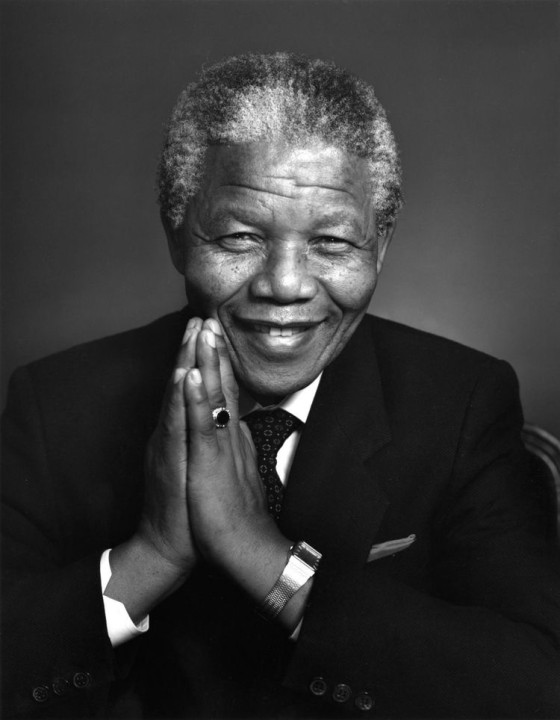
Nelson Mandela
A South African anti-apartheid revolutionary and political leader who spent 27 years in prison before becoming the country's first Black president.
Một nhà cách mạng chống chế độ apartheid và lãnh đạo chính trị người Nam Phi, người đã trải qua 27 năm tù trước khi trở thành tổng thống da đen đầu tiên của đất nước.
This biography of Nelson Mandela helps you learn English through real historical stories. Explore Nelson Mandela's impact on the world.
born1918
died2013
nationalitySouth African
known forDismantling apartheid and becoming South Africa's first Black president
fieldcivil rights and politics
Key Takeaways from this Biography
- He was a central figure in the fight against South Africa's oppressive apartheid systemÔng là nhân vật trung tâm trong cuộc chiến chống lại hệ thống apartheid áp bức của Nam Phi
- He spent 27 years in prison for his resistance before being released in 1990Ông đã trải qua 27 năm trong tù vì sự kháng cự của mình trước khi được trả tự do vào năm 1990
- He remarkably chose reconciliation over vengeance, peacefully dismantling apartheidÔng đã phi thường chọn sự hòa giải thay vì trả thù, phá bỏ chủ nghĩa apartheid một cách hòa bình
- He became South Africa's first Black president in 1994 and won the Nobel Peace PrizeÔng trở thành tổng thống da đen đầu tiên của Nam Phi vào năm 1994 và đoạt giải Nobel Hòa bình
Life Timeline
1918
Born in Mvezo, South AfricaSinh ra ở Mvezo, Nam Phi
1944
Joined the African National Congress (ANC)Gia nhập Đại hội Dân tộc Phi (ANC)
1962
Arrested and subsequently sentenced to life imprisonmentBị bắt và sau đó bị kết án tù chung thân
1990
Released from prison after 27 yearsĐược trả tự do sau 27 năm ngồi tù
1993
Awarded the Nobel Peace PrizeĐược trao giải Nobel Hòa bình
1994
Elected as the first Black president of South AfricaĐược bầu làm tổng thống Da đen đầu tiên của Nam Phi
2013
Died in Johannesburg, South AfricaQua đời ở Johannesburg, Nam Phi
Biography Reading: Nelson Mandela
background
Born Rolihlahla Mandela in 1918 in the tiny village of Mvezo, South Africa, he was later given the English name "Nelson" by a school teacher. Growing up in a deeply racially divided country, he studied law and joined the African National Congress (ANC) in 1944. Mandela initially committed to nonviolent protests against the oppressive system of "apartheid"—a policy of institutionalized racial segregation and discrimination enforced by the white minority government against the Black majority.
Sinh ra với tên Rolihlahla Mandela vào năm 1918 tại ngôi làng nhỏ Mvezo, Nam Phi, sau đó ông được một giáo viên trường học đặt cho cái tên tiếng Anh là "Nelson". Lớn lên ở một đất nước bị chia rẽ sâu sắc về sắc tộc, ông học luật và gia nhập Đại hội Dân tộc Phi (ANC) vào năm 1944. Ban đầu, Mandela cam kết thực hiện các cuộc biểu tình bất bạo động chống lại hệ thống áp bức "apartheid"—một chính sách phân biệt chủng tộc và kỳ thị được thể chế hóa do chính phủ thiểu số người da trắng áp đặt lên đa số người da đen.
achievement
As the government's brutal crackdowns intensified, most notably the Sharpeville massacre, Mandela co-founded the militant group Umkhonto we Sizwe, realizing that peaceful protests alone were no longer effective. His armed resistance led to his arrest in 1962. During the infamous Rivonia Trial, he famously declared his willingness to die for the ideal of a democratic and free society. He was sentenced to life in prison, spending the next 27 years incarcerated, mostly on the notorious Robben Island. Despite his imprisonment, he became the most significant global symbol of the anti-apartheid struggle.
Khi các cuộc đàn áp tàn bạo của chính phủ gia tăng, đáng chú ý nhất là vụ thảm sát Sharpeville, Mandela đã đồng sáng lập nhóm chiến binh Umkhonto we Sizwe, nhận ra rằng chỉ biểu tình ôn hòa thôi thì không còn hiệu quả nữa. Sự kháng cự vũ trang này đã dẫn đến việc ông bị bắt vào năm 1962. Trong Phiên tòa Rivonia khét tiếng, ông đã có lời tuyên bố nổi tiếng về việc sẵn sàng chết cho lý tưởng về một xã hội dân chủ và tự do. Ông bị kết án tù chung thân, dành 27 năm tiếp theo bị giam cầm, phần lớn là trên Đảo Robben khét tiếng. Bất chấp việc bị bỏ tù, ông đã trở thành biểu tượng toàn cầu quan trọng nhất của cuộc đấu tranh chống chủ nghĩa apartheid.
impact
Following mounting international pressure and internal unrest, President F.W. de Klerk released Mandela in 1990. Instead of seeking vengeance, Mandela remarkably led peaceful negotiations to dismantle apartheid, earning both men the 1993 Nobel Peace Prize. In 1994, in South Africa's first fully representative democratic election, Mandela was elected as the nation's first Black president. He focused on reconciliation, establishing the Truth and Reconciliation Commission to heal the country's deep racial wounds. Passing away in 2013, Mandela left an enduring legacy of forgiveness, resilience, and the triumph of the human spirit.
Sau áp lực quốc tế ngày càng tăng và tình trạng bất ổn trong nước, Tổng thống F.W. de Klerk đã trả tự do cho Mandela vào năm 1990. Thay vì tìm kiếm sự trả thù, Mandela đã lãnh đạo một cách phi thường các cuộc đàm phán hòa bình để phá bỏ chủ nghĩa apartheid, mang về cho cả hai người Giải Nobel Hòa bình năm 1993. Năm 1994, trong cuộc bầu cử dân chủ đại diện đầy đủ đầu tiên của Nam Phi, Mandela đã được bầu làm tổng thống da đen đầu tiên của quốc gia này. Ông tập trung vào sự hòa giải, thành lập Ủy ban Sự thật và Hòa giải để hàn gắn những vết thương sắc tộc sâu sắc của đất nước. Qua đời vào năm 2013, Mandela để lại một di sản lâu dài về sự tha thứ, lòng kiên cường và sự chiến thắng của tinh thần nhân loại.
Essential Vocabulary
apartheidchế độ phân biệt chủng tộc (tại Nam Phi)
a policy or system of segregation or discrimination on grounds of race in South Africa
một chính sách hoặc hệ thống phân biệt chủng tộc hoặc kỳ thị dựa trên chủng tộc ở Nam Phi
institutionalizedđược thể chế hóa
established in practice or custom; established as part of an official organization
được thiết lập trong thực tiễn hoặc phong tục; được thiết lập như một phần của một tổ chức chính thức
massacrecuộc thảm sát
an indiscriminate and brutal slaughter of people
một cuộc tàn sát người bừa bãi và tàn bạo
incarceratedbị giam cầm
imprisoned or confined
bị bỏ tù hoặc bị giam giữ
vengeancesự trả thù
punishment inflicted or retribution exacted for an injury or wrong
sự trừng phạt được đưa ra hoặc sự đền tội được yêu cầu cho một tổn thương hoặc sai trái
reconciliationsự hòa giải
the restoration of friendly relations
sự khôi phục các mối quan hệ thân thiện
Knowledge Check Quiz
FACTUAL1 / 4
How many years did Nelson Mandela spend in prison?
Flashcards
KNOWLEDGE
Who became South Africa's first Black president in 1994?
Nelson Mandela.
1 / 9