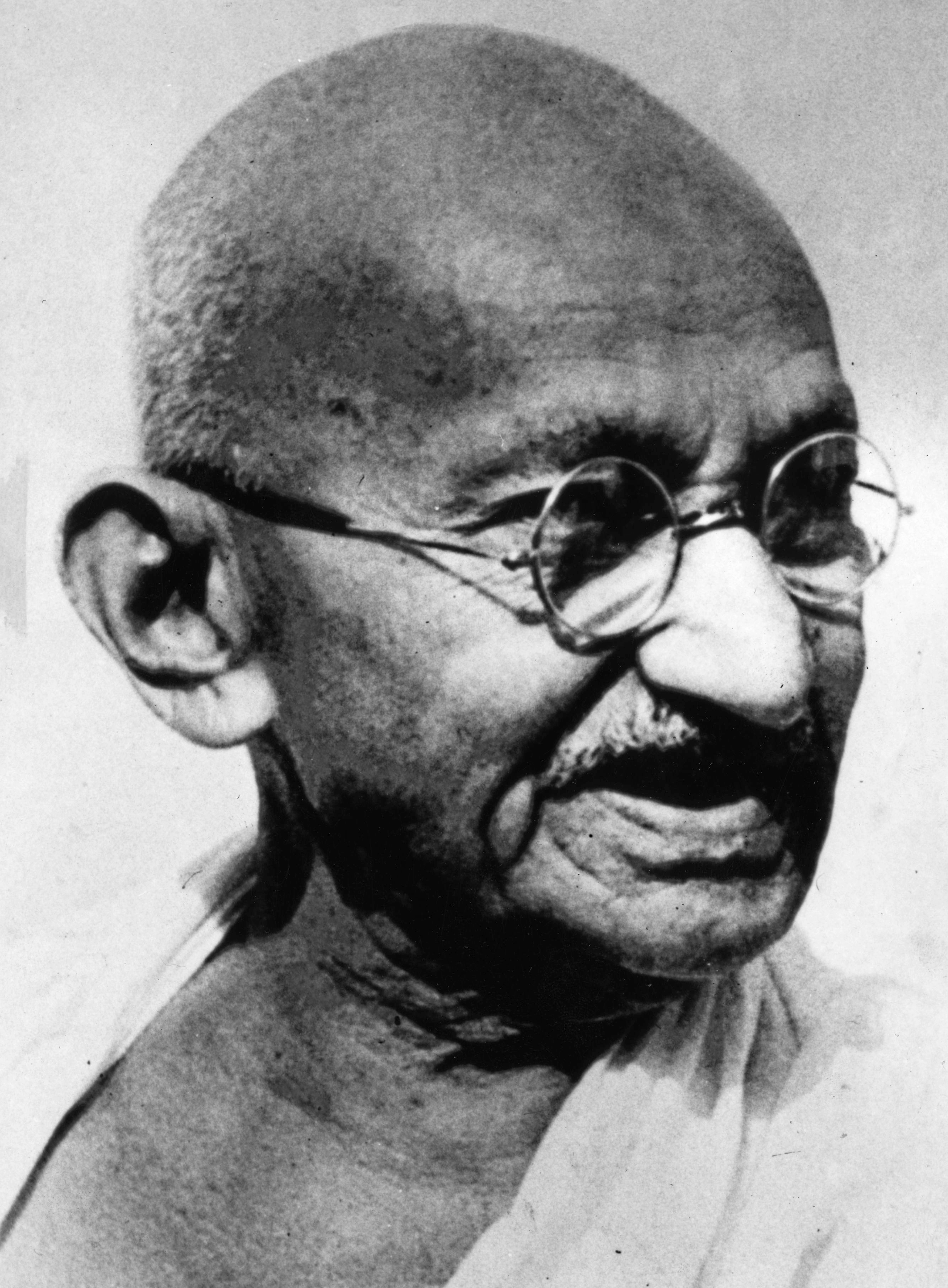
Mahatma Gandhi
A preeminent leader of Indian nationalism and civil rights who successfully led the nonviolent independence movement against British rule.
Một lãnh đạo hàng đầu của chủ nghĩa dân tộc Ấn Độ và phong trào dân quyền, người đã lãnh đạo thành công cuộc đấu tranh giành độc lập bằng phương pháp bất bạo động chống lại sự cai trị của Anh.
This biography of Mahatma Gandhi helps you learn English through real historical stories. Explore Mahatma Gandhi's impact on the world.
born1869
died1948
nationalityIndian
known forLeading the Indian independence movement through nonviolent resistance (Satyagraha)
fieldcivil rights and politics
Key Takeaways from this Biography
- He led the Indian independence movement against British rule using nonviolent resistanceÔng lãnh đạo phong trào độc lập của Ấn Độ chống lại sự cai trị của Anh bằng cách sử dụng kháng cự phi bạo lực
- He developed the concept of 'Satyagraha', a form of active, peaceful civil disobedienceÔng đã phát triển khái niệm 'Satyagraha', một hình thức bất tuân dân sự hòa bình và tích cực
- He led the historic 1930 Salt March to protest the oppressive British salt monopolyÔng đã lãnh đạo Cuộc hành trình Muối lịch sử năm 1930 để phản đối sự độc quyền muối áp bức của Anh
- His philosophy of nonviolence inspired global leaders like Martin Luther King Jr. and Nelson MandelaTriết lý phi bạo lực của ông đã truyền cảm hứng cho các nhà lãnh đạo toàn cầu như Martin Luther King Jr. và Nelson Mandela
Life Timeline
1869
Born in Porbandar, IndiaSinh ra ở Porbandar, Ấn Độ
1893
Moved to South Africa and began civil rights activismChuyển đến Nam Phi và bắt đầu hoạt động dân quyền
1915
Returned to India to join the independence movementTrở về Ấn Độ để tham gia phong trào độc lập
1930
Led the historic Salt March against the British salt taxLãnh đạo cuộc Hành trình Muối mang tính lịch sử chống lại thuế muối của Anh
1947
India achieved independence from British ruleẤn Độ giành được độc lập từ ách thống trị của Anh
1948
Assassinated in New DelhiBị ám sát ở New Delhi
Biography Reading: Mahatma Gandhi
background
Mohandas Karamchand Gandhi, widely known as Mahatma (meaning "Great Soul"), was born in 1869 in Porbandar, India. After studying law in London, he moved to South Africa in 1893 to practice his profession. It was there, facing severe racial discrimination, that he first developed his revolutionary concept of "Satyagraha"—a form of active but strictly nonviolent civil disobedience based on truth and moral courage. For over two decades, he led campaigns for the civil rights of the Indian community in South Africa, transforming from a shy lawyer into a formidable political activist.
Mohandas Karamchand Gandhi, được biết đến rộng rãi với tên gọi Mahatma (nghĩa là "Tâm hồn vĩ đại"), sinh năm 1869 tại Porbandar, Ấn Độ. Sau khi học luật ở London, ông chuyển đến Nam Phi vào năm 1893 để hành nghề. Chính tại đây, khi phải đối mặt với sự phân biệt chủng tộc nghiêm trọng, lần đầu tiên ông đã phát triển khái niệm mang tính cách mạng của mình là "Satyagraha"—một hình thức bất tuân dân sự tích cực nhưng hoàn toàn phi bạo lực dựa trên sự thật và lòng can đảm đạo đức. Trong hơn hai thập kỷ, ông đã lãnh đạo các chiến dịch bảo vệ dân quyền cho cộng đồng người Ấn Độ ở Nam Phi, chuyển mình từ một luật sư nhút nhát thành một nhà hoạt động chính trị đáng gờm.
achievement
Gandhi returned to India in 1915 and soon became the leading figure of the Indian National Congress. He organized massive, nationwide campaigns to ease poverty, expand women's rights, build religious amity, and most importantly, achieve "Swaraj" or self-rule from the British Empire. His most iconic act of defiance came in 1930 with the Salt March, a 240-mile journey to the Arabian Sea to protest the oppressive British monopoly on salt. By simply making their own salt from seawater, Gandhi and his followers exposed the injustice of British rule to the world, enduring brutal police beatings and mass imprisonment without striking back.
Gandhi trở lại Ấn Độ vào năm 1915 và nhanh chóng trở thành nhân vật lãnh đạo của Đảng Quốc đại Ấn Độ. Ông đã tổ chức các chiến dịch quy mô lớn trên toàn quốc nhằm giảm bớt nghèo đói, mở rộng quyền của phụ nữ, xây dựng sự hòa hợp tôn giáo, và quan trọng nhất là đạt được "Swaraj" hay quyền tự trị khỏi Đế quốc Anh. Hành động thách thức mang tính biểu tượng nhất của ông diễn ra vào năm 1930 với Cuộc hành trình Muối (Salt March), một chặng đường dài 240 dặm đến Biển Ả Rập để phản đối sự độc quyền áp bức của Anh đối với muối. Bằng cách đơn giản là tự làm muối từ nước biển, Gandhi và những người theo ông đã phơi bày sự bất công của sự cai trị của người Anh cho thế giới thấy, chịu đựng những trận đòn roi tàn bạo của cảnh sát và việc bị giam cầm hàng loạt mà không hề đánh trả.
impact
Gandhi's unwavering commitment to nonviolence and his ascetic lifestyle—wearing simple homespun clothes and undertaking long fasts for self-purification and political protest—earned him the reverence of millions. His efforts ultimately culminated in India's independence in 1947. Tragically, the accompanying partition of the subcontinent into India and Pakistan caused immense religious violence, breaking Gandhi's heart. He was assassinated by a Hindu nationalist in 1948. Nevertheless, Gandhi's philosophy of nonviolent resistance profoundly influenced global civil rights leaders, including Martin Luther King Jr. and Nelson Mandela, making him an eternal symbol of peace and moral authority.
Cam kết kiên định của Gandhi đối với phi bạo lực và lối sống khổ hạnh của ông—mặc quần áo giản dị tự dệt và thực hiện các cuộc tuyệt thực kéo dài để tự thanh lọc và phản đối chính trị—đã mang lại cho ông sự tôn kính của hàng triệu người. Những nỗ lực của ông cuối cùng đã lên đến đỉnh điểm với sự độc lập của Ấn Độ vào năm 1947. Thật bi thảm, việc phân chia tiểu lục địa thành Ấn Độ và Pakistan đi kèm theo đó đã gây ra bạo lực tôn giáo to lớn, làm tan nát trái tim Gandhi. Ông bị một người theo chủ nghĩa dân tộc theo đạo Hindu ám sát vào năm 1948. Mặc dù vậy, triết lý phản kháng phi bạo lực của Gandhi đã ảnh hưởng sâu sắc đến các nhà lãnh đạo dân quyền toàn cầu, bao gồm Martin Luther King Jr. và Nelson Mandela, khiến ông trở thành biểu tượng vĩnh cửu của hòa bình và uy quyền đạo đức.
Essential Vocabulary
disobediencesự bất tuân
failure or refusal to obey rules or someone in authority
sự thất bại hoặc từ chối tuân theo các quy tắc hoặc một người có thẩm quyền
formidableđáng gờm
inspiring fear or respect through being impressively large, powerful, intense, or capable
gây sợ hãi hoặc tôn trọng nhờ sự to lớn, mạnh mẽ, mãnh liệt hoặc có năng lực một cách ấn tượng
defiancesự thách thức / chống đối
open resistance; bold disobedience
sự kháng cự công khai; sự bất tuân táo bạo
monopolysự độc quyền
the exclusive possession or control of the supply of or trade in a commodity or service
sự sở hữu hoặc kiểm soát độc quyền đối với nguồn cung cấp hoặc giao dịch một loại hàng hóa hoặc dịch vụ
homespuntự dệt / giản dị
simple and unsophisticated; spun or woven in the home
đơn giản và không cầu kỳ; được kéo sợi hoặc dệt ở nhà
reverencesự tôn kính
deep respect for someone or something
sự tôn trọng sâu sắc đối với ai đó hoặc điều gì đó
Knowledge Check Quiz
FACTUAL1 / 4
What is the meaning of the name 'Mahatma' given to Gandhi?
Flashcards
KNOWLEDGE
What revolutionary concept of nonviolent civil disobedience did Gandhi develop?
Satyagraha.
1 / 9