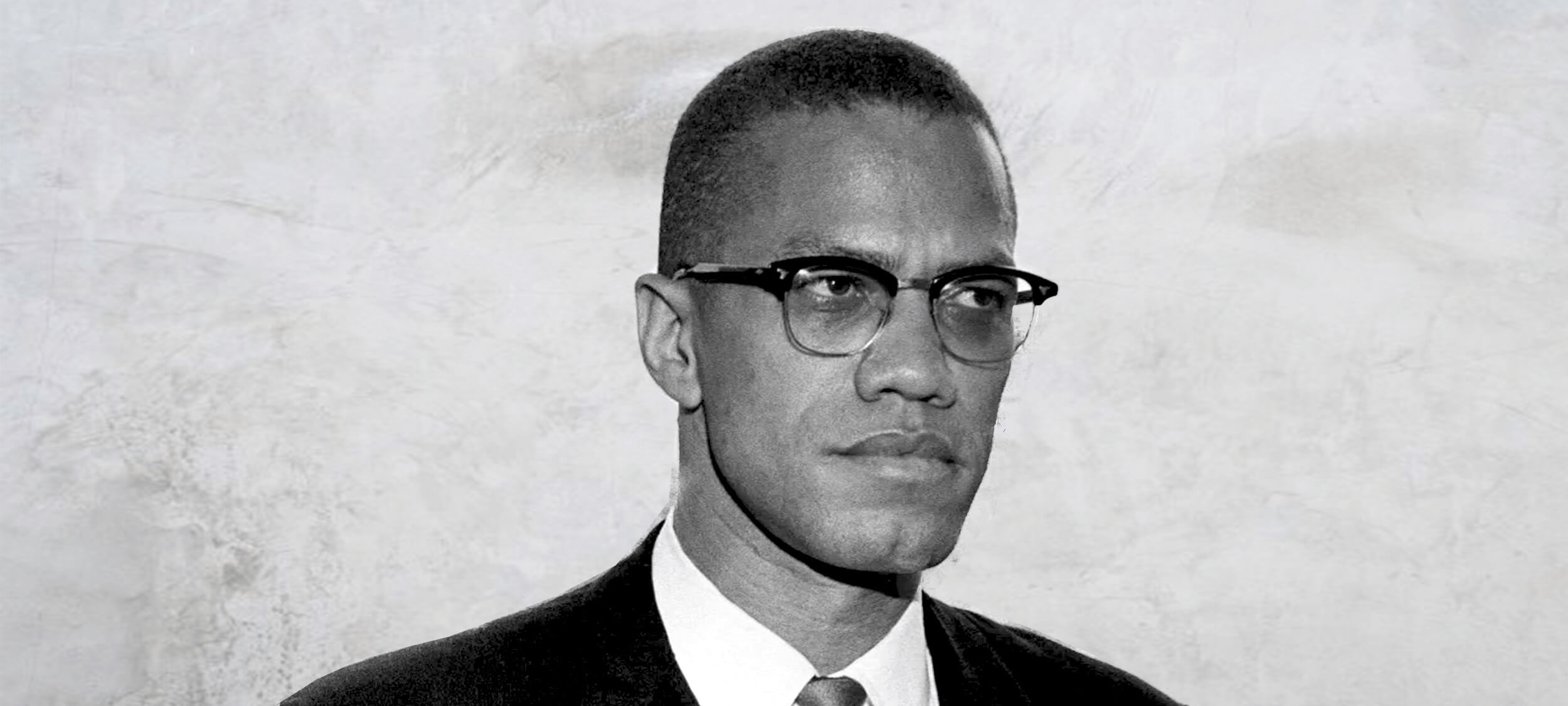
Malcolm X
A prominent African American Muslim minister and human rights activist who advocated for Black empowerment and self-defense during the Civil Rights Movement.
Một mục sư Hồi giáo người Mỹ gốc Phi và nhà hoạt động nhân quyền nổi bật, người ủng hộ quyền lực của người da đen và quyền tự vệ trong phong trào Dân quyền.
This biography of Malcolm X helps you learn English through real historical stories. Explore Malcolm X's impact on the world.
born1925
died1965
nationalityAmerican
known forAdvocating for Black empowerment and his role in the Nation of Islam
fieldcivil rights and human rights
Key Takeaways from this Biography
- He was a charismatic spokesman for the Nation of Islam and a fierce advocate for Black empowermentÔng là một người phát ngôn lôi cuốn của Quốc gia Hồi giáo và là người ủng hộ quyết liệt cho việc trao quyền cho người da đen
- Unlike MLK's nonviolent integration, he initially preached racial separatism and self-defense 'by any means necessary'Khác với sự hội nhập phi bạo lực của MLK, ban đầu ông rao giảng về chủ nghĩa ly khai sắc tộc và tự vệ 'bằng mọi giá'
- He changed his surname to 'X' to symbolize his lost African tribal identityÔng đã đổi họ của mình thành 'X' để tượng trưng cho bản sắc bộ lạc châu Phi đã bị đánh mất của mình
- After his pilgrimage to Mecca, he shifted toward a broader, more inclusive human rights vision before his assassinationSau chuyến hành hương đến Mecca, ông đã chuyển hướng sang một tầm nhìn nhân quyền rộng lớn và toàn diện hơn trước khi bị ám sát
Life Timeline
1925
Born Malcolm Little in Omaha, NebraskaSinh ra với tên Malcolm Little ở Omaha, Nebraska
1946
Sentenced to prison, where he joined the Nation of IslamBị kết án tù, nơi ông gia nhập Tổ chức Quốc gia Hồi giáo (Nation of Islam)
1952
Released from prison and changed his surname to 'X'Được ra tù và đổi họ thành 'X'
1964
Left the Nation of Islam and went on the Hajj pilgrimage to MeccaRời bỏ Tổ chức Quốc gia Hồi giáo và đi hành hương Hajj đến Mecca
1965
Assassinated in New York CityBị ám sát ở Thành phố New York
Biography Reading: Malcolm X
background
Malcolm X was born Malcolm Little in 1925 in Omaha, Nebraska. His childhood was marked by systemic racism and violence; his family was frequently harassed by white supremacist groups, and his father died under highly suspicious circumstances. After his mother was institutionalized, Malcolm spent time in foster homes before turning to a life of street hustle and crime. In 1946, he was sentenced to prison for burglary, a turning point that would fundamentally alter the trajectory of his life.
Malcolm X sinh ra với tên Malcolm Little vào năm 1925 tại Omaha, Nebraska. Tuổi thơ của ông in đậm dấu ấn của chủ nghĩa phân biệt chủng tộc có hệ thống và bạo lực; gia đình ông thường xuyên bị các nhóm da trắng thượng đẳng quấy rối, và cha ông qua đời trong những tình huống vô cùng đáng ngờ. Sau khi mẹ ông bị đưa vào viện tâm thần, Malcolm trải qua thời gian ở các gia đình nhận nuôi trước khi sa vào cuộc sống lang bạt và tội phạm. Năm 1946, ông bị kết án tù vì tội trộm cắp, một bước ngoặt sẽ thay đổi căn bản quỹ đạo cuộc đời ông.
achievement
While incarcerated, Malcolm underwent a profound intellectual and spiritual transformation, converting to the Nation of Islam (NOI). Rejecting his "slave name," he adopted the surname "X" to represent his lost African tribal name. After his release in 1952, Malcolm X quickly became the NOI's most prominent and charismatic national spokesman. Unlike Martin Luther King Jr., who advocated for nonviolent integration, Malcolm X famously urged his followers to defend themselves against white aggression "by any means necessary" and preached Black pride, economic self-reliance, and racial separatism.
Trong thời gian bị giam giữ, Malcolm đã trải qua một sự chuyển hóa sâu sắc về trí tuệ và tinh thần, cải đạo sang Tổ chức Quốc gia Hồi giáo (Nation of Islam - NOI). Từ chối "cái tên nô lệ" của mình, ông nhận họ "X" để đại diện cho tên bộ lạc châu Phi đã bị đánh mất của mình. Sau khi ra tù năm 1952, Malcolm X nhanh chóng trở thành người phát ngôn quốc gia nổi bật và lôi cuốn nhất của NOI. Không giống như Martin Luther King Jr., người chủ trương hội nhập phi bạo lực, Malcolm X nổi tiếng với việc kêu gọi những người theo ông tự vệ trước sự hung hăng của người da trắng "bằng mọi giá" (by any means necessary) và rao giảng về lòng tự hào của người da đen, sự tự chủ về kinh tế và chủ nghĩa ly khai sắc tộc.
impact
Tensions with the NOI leadership led to Malcolm's bitter departure from the organization in 1964. He subsequently embarked on the Hajj, the Muslim pilgrimage to Mecca, where seeing Muslims of all races worshiping together profoundly shifted his worldview. He embraced Sunni Islam, adopted the name el-Hajj Malik el-Shabazz, and expressed a new willingness to work with civil rights leaders of all races to combat systemic oppression. Tragically, before he could fully realize this broader humanitarian vision, he was assassinated by NOI members in 1965, leaving behind an explosive and enduring legacy as a fierce defender of Black dignity.
Những căng thẳng với giới lãnh đạo NOI đã dẫn đến sự ra đi cay đắng của Malcolm khỏi tổ chức này vào năm 1964. Sau đó, ông bắt tay vào chuyến hành hương Hajj đến thánh địa Mecca, nơi việc chứng kiến những người Hồi giáo thuộc mọi chủng tộc cùng nhau thờ phượng đã làm thay đổi sâu sắc thế giới quan của ông. Ông đi theo Hồi giáo Sunni, lấy tên là el-Hajj Malik el-Shabazz, và bày tỏ sự sẵn lòng mới trong việc hợp tác với các nhà lãnh đạo dân quyền thuộc mọi chủng tộc để chống lại sự áp bức có hệ thống. Thật bi thảm, trước khi ông có thể hiện thực hóa trọn vẹn tầm nhìn nhân đạo rộng lớn hơn này, ông đã bị các thành viên NOI ám sát vào năm 1965, để lại một di sản bùng nổ và lâu dài với tư cách là một người bảo vệ quyết liệt cho phẩm giá của người da đen.
Essential Vocabulary
supremacistngười theo chủ nghĩa thượng đẳng
an advocate of the supremacy of a particular group, especially one determined by race or sex
một người ủng hộ sự tối cao của một nhóm cụ thể, đặc biệt là nhóm được xác định bởi chủng tộc hoặc giới tính
charismaticlôi cuốn / có sức hút
exercising a compelling charm which inspires devotion in others
thể hiện một sự quyến rũ hấp dẫn truyền cảm hứng cho sự cống hiến ở người khác
separatismchủ nghĩa ly khai
the advocacy or practice of separation of a certain group of people from a larger body on the basis of ethnicity, religion, or gender
sự ủng hộ hoặc thực tiễn tách một nhóm người nhất định ra khỏi một nhóm lớn hơn trên cơ sở sắc tộc, tôn giáo hoặc giới tính
integrationsự hội nhập / sự hòa nhập
the intermixing of people or groups previously segregated
sự pha trộn của những người hoặc các nhóm trước đây bị tách biệt
pilgrimagechuyến hành hương
a pilgrim's journey, typically to a sacred place for religious reasons
một cuộc hành trình của người hành hương, thường đến một nơi linh thiêng vì lý do tôn giáo
oppressionsự áp bức
prolonged cruel or unjust treatment or control
sự đối xử hoặc kiểm soát tàn nhẫn hoặc bất công kéo dài
Knowledge Check Quiz
FACTUAL1 / 4
Why did Malcolm Little change his last name to 'X'?
Flashcards
KNOWLEDGE
What does the 'X' in Malcolm X stand for?
His lost African tribal name.
1 / 9