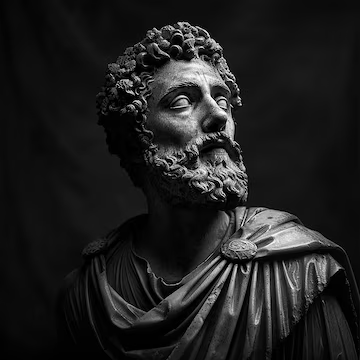
Marcus Aurelius
A Roman Emperor and Stoic philosopher known for his 'Meditations', which remain a foundational text on self-discipline and resilience.
Một Hoàng đế La Mã và triết gia Khắc kỷ, nổi tiếng với tác phẩm "Suy tưởng", một nền tảng về kỷ luật bản thân và sự kiên cường.
This biography of Marcus Aurelius helps you learn English through real historical stories. Explore Marcus Aurelius's impact on the world.
born121 AD
died180 AD
nationalityRoman
known forauthoring Meditations and being the last of the Five Good Emperors
fieldphilosophy and leadership
Key Takeaways from this Biography
- He was a Roman Emperor and a leading Stoic philosopherÔng là một Hoàng đế La Mã và là một triết gia Khắc kỷ hàng đầu
- He wrote 'Meditations' as a personal journal while leading military campaignsÔng đã viết cuốn 'Suy tưởng' như một nhật ký cá nhân khi đang dẫn dắt các chiến dịch quân sự
- He is considered the last of the 'Five Good Emperors' of RomeÔng được coi là vị hoàng đế cuối cùng trong 'Năm vị Hoàng đế hiền minh' của La Mã
- His philosophy emphasizes inner peace, self-discipline, and living with virtueTriết lý của ông nhấn mạnh vào sự bình yên nội tâm, kỷ luật tự giác và sống có đức hạnh
Life Timeline
121 AD
Born in Rome to a prominent noble familySinh ra ở Rome trong một gia đình quý tộc danh giá
138 AD
Adopted by Antoninus Pius as part of Hadrian's succession planĐược Antoninus Pius nhận làm con nuôi như một phần trong kế hoạch kế vị của Hadrian
161 AD
Became Roman Emperor, initially co-ruling with Lucius VerusTrở thành Hoàng đế La Mã, ban đầu cùng cai trị với Lucius Verus
170-180 AD
Wrote his personal reflections (Meditations) while on military campaignsViết những suy ngẫm cá nhân (Suy tưởng) trong khi tham gia các chiến dịch quân sự
180 AD
Died in Vindobona (modern-day Vienna) during a campaign against Germanic tribesQua đời ở Vindobona (Vienna ngày nay) trong một chiến dịch chống lại các bộ tộc Germanic
Biography Reading: Marcus Aurelius
background
Marcus Aurelius was born in 121 AD into a wealthy and politically influential Roman family. His potential was recognized early by Emperor Hadrian, who arranged for him to be adopted by the future Emperor Antoninus Pius. Unlike many rulers who were consumed by power and luxury, Marcus was drawn to the rigorous teachings of Stoicism from a young age. He was educated by the finest tutors in rhetoric and philosophy, developing a character defined by duty, serious-mindedness, and a deep sense of justice that would later define his reign.
Marcus Aurelius sinh năm 121 CN trong một gia đình La Mã giàu có và có ảnh hưởng chính trị. Tiềm năng của ông đã sớm được Hoàng đế Hadrian nhận ra, người đã sắp xếp để ông được nhận nuôi bởi Hoàng đế tương lai Antoninus Pius. Không giống như nhiều nhà cai trị bị cuốn vào quyền lực và sự xa hoa, Marcus đã bị thu hút bởi những giáo lý khắt khe của chủ nghĩa Khắc kỷ ngay từ khi còn trẻ. Ông được giáo dục bởi những gia sư giỏi nhất về hùng biện và triết học, hình thành nên một tính cách đặc trưng bởi tinh thần trách nhiệm, sự nghiêm túc và ý thức sâu sắc về công lý, những điều sau này sẽ định hình triều đại của ông.
achievement
His reign, beginning in 161 AD, was marked by constant struggle, including devastating plagues, internal revolts, and relentless wars against Germanic tribes on the empire's borders. Despite these immense pressures, Marcus Aurelius is remembered as the last of the "Five Good Emperors" who ruled with wisdom and restraint. During his long military campaigns, he wrote a series of personal reflections intended only for himself. These writings, now known as "Meditations," reveal a man constantly striving to maintain inner peace and moral integrity amidst the chaos of war and the burdens of absolute power.
Triều đại của ông, bắt đầu từ năm 161 CN, được đánh dấu bằng những cuộc đấu tranh liên tục, bao gồm các dịch bệnh tàn khốc, các cuộc nổi dậy nội bộ và những cuộc chiến tranh không ngừng nghỉ chống lại các bộ tộc Germanic ở biên giới đế chế. Bất chấp những áp lực to lớn này, Marcus Aurelius vẫn được nhớ đến là người cuối cùng trong "Năm vị Hoàng đế hiền minh", những người đã cai trị bằng sự khôn ngoan và kiềm chế. Trong những chiến dịch quân sự kéo dài, ông đã viết một loạt các suy ngẫm cá nhân chỉ dành cho riêng mình. Những bản viết này, giờ đây được biết đến với cái tên "Suy tưởng" (Meditations), tiết lộ một con người luôn nỗ lực duy trì sự bình yên nội tâm và liêm chính đạo đức giữa sự hỗn loạn của chiến tranh và gánh nặng của quyền lực tuyệt đối.
impact
The core of his philosophy was Stoicism, which taught that while we cannot control external events, we have total control over our own thoughts and reactions. He believed in living in accordance with nature and reason, viewing every obstacle as an opportunity to practice virtue. His writings emphasize the brevity of life, the importance of focusing on the present moment, and the duty to serve the common good of humanity. Nearly two thousand years later, Marcus Aurelius remains a powerful symbol of how philosophical principles can provide strength and clarity in the face of overwhelming adversity.
Cốt lõi trong triết lý của ông là chủ nghĩa Khắc kỷ, dạy rằng mặc dù chúng ta không thể kiểm soát các sự kiện bên ngoài, nhưng chúng ta có quyền kiểm soát hoàn toàn suy nghĩ và phản ứng của chính mình. Ông tin vào việc sống thuận theo tự nhiên và lý trí, coi mọi trở ngại là cơ hội để rèn luyện đức hạnh. Các bài viết của ông nhấn mạnh sự ngắn ngủi của cuộc đời, tầm quan trọng của việc tập trung vào khoảnh khắc hiện tại và nghĩa vụ phụng sự lợi ích chung của nhân loại. Gần hai nghìn năm sau, Marcus Aurelius vẫn là một biểu tượng mạnh mẽ về cách các nguyên tắc triết học có thể cung cấp sức mạnh và sự sáng suốt khi đối mặt với những nghịch cảnh bủa vây.
Essential Vocabulary
Stoicismchủ nghĩa Khắc kỷ
an ancient Greek school of philosophy that taught the development of self-control and fortitude
một trường phái triết học Hy Lạp cổ đại dạy về việc phát triển sự tự kiểm soát và bản lĩnh
resiliencesự kiên cường
the capacity to recover quickly from difficulties; toughness
khả năng phục hồi nhanh chóng từ những khó khăn; sự cứng cỏi
rhetorichùng biện
the art of effective or persuasive speaking or writing
nghệ thuật nói hoặc viết hiệu quả và đầy thuyết phục
restraintsự kiềm chế
unemotional, dispassionate, or moderate behavior; self-control
hành vi không cảm tính, bình thản hoặc chừng mực; sự tự chủ
integritysự liêm chính / chính trực
the quality of being honest and having strong moral principles
phẩm chất trung thực và có các nguyên tắc đạo đức mạnh mẽ
adversitynghịch cảnh
difficulties; misfortune
những khó khăn; sự rủi ro / vận hạn
Knowledge Check Quiz
FACTUAL1 / 4
What is the name of the famous book written by Marcus Aurelius?
Flashcards
KNOWLEDGE
Who was Marcus Aurelius?
A Roman Emperor and Stoic philosopher.
1 / 9