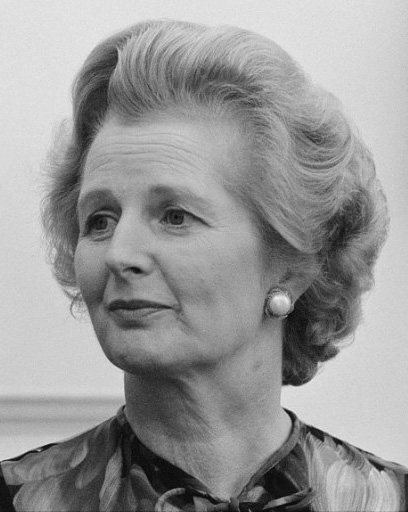
Margaret Thatcher
The first female Prime Minister of the United Kingdom, a formidable leader known for her free-market policies and her uncompromising style of leadership.
Nữ Thủ tướng đầu tiên của Vương quốc Anh, một nhà lãnh đạo cứng rắn nổi tiếng với các chính sách thị trường tự do và phong cách lãnh đạo không khoan nhượng.
This biography of Margaret Thatcher helps you learn English through real historical stories. Explore Margaret Thatcher's impact on the world.
born1925
died2013
nationalityBritish
known forImplementing Thatcherism, winning the Falklands War, and privatizing state industries
fieldpolitics and economics
Key Takeaways from this Biography
- She was the first female Prime Minister of the UK, serving from 1979 to 1990Bà là nữ Thủ tướng đầu tiên của Vương quốc Anh, phục vụ từ năm 1979 đến năm 1990
- She privatized state-owned industries and significantly reduced the power of trade unionsBà đã tư nhân hóa các ngành công nghiệp nhà nước và giảm đáng kể quyền lực của các công đoàn
- She led the UK to a decisive military victory in the Falklands War in 1982Bà đã dẫn dắt Vương quốc Anh giành chiến thắng quân sự quyết định trong Chiến tranh Falklands năm 1982
- She transformed Britain's economy through free-market policies known as 'Thatcherism'Bà đã biến đổi nền kinh tế Anh thông qua các chính sách thị trường tự do được gọi là 'Chủ nghĩa Thatcher'
Life Timeline
1925
Born in Grantham, EnglandSinh ra ở Grantham, Anh
1959
Elected as a Member of Parliament for FinchleyĐược bầu làm Nghị sĩ Quốc hội đại diện cho Finchley
1979
Elected as the UK's first female Prime MinisterĐược bầu làm nữ Thủ tướng đầu tiên của Vương quốc Anh
1982
Led the UK to victory in the Falklands WarLãnh đạo Vương quốc Anh giành chiến thắng trong Chiến tranh Falkland
1984
Stood firm against the year-long National Union of Mineworkers strikeGiữ lập trường kiên quyết chống lại cuộc đình công kéo dài một năm của Liên đoàn Thợ mỏ Quốc gia
2013
Died in LondonQua đời ở London
Biography Reading: Margaret Thatcher
background
Margaret Hilda Thatcher was born in 1925, the daughter of a grocer. A research chemist and later a barrister, she rose steadily through the Conservative Party, eventually becoming its leader in 1975. In 1979, she became the United Kingdom's first female Prime Minister, inheriting a nation plagued by high inflation, economic stagnation, and frequent industrial strikes. She famously declared that "there is no such thing as society," emphasizing individual responsibility and the power of the free market over state intervention.
Margaret Hilda Thatcher sinh năm 1925, là con gái của một người bán tạp hóa. Là một nhà hóa học nghiên cứu và sau đó là luật sư, bà thăng tiến đều đặn trong Đảng Bảo thủ, cuối cùng trở thành lãnh đạo đảng vào năm 1975. Năm 1979, bà trở thành nữ Thủ tướng đầu tiên của Vương quốc Anh, kế thừa một quốc gia đang bị tàn phá bởi lạm phát cao, đình trệ kinh tế và các cuộc đình công công nghiệp thường xuyên. Bà đã tuyên bố nổi tiếng rằng "không có thứ gọi là xã hội," nhấn mạnh trách nhiệm cá nhân và sức mạnh của thị trường tự do thay vì sự can thiệp của nhà nước.
achievement
Thatcher's economic policy, known as "Thatcherism," involved a radical shift toward neoliberalism. She aggressively privatized state-owned industries—such as gas, water, and telecommunications—reduced the power of trade unions, and cut social spending to curb inflation. Her resolve was tested in 1982 by the Falklands War against Argentina, where her swift military response restored British national pride. Domestically, she remained unyielding during the 1984-1985 miners' strike, a confrontation that fundamentally broke the political power of the British labor unions.
Chính sách kinh tế của Thatcher, được gọi là "Chủ nghĩa Thatcher," liên quan đến một sự chuyển dịch triệt để sang chủ nghĩa tân tự do. Bà đã tư nhân hóa mạnh mẽ các ngành công nghiệp thuộc sở hữu nhà nước—như khí đốt, nước và viễn thông—giảm quyền lực của các công đoàn và cắt giảm chi tiêu xã hội để kiềm chế lạm phát. Quyết tâm của bà đã được thử thách vào năm 1982 bởi Chiến tranh Falklands chống lại Argentina, nơi phản ứng quân sự nhanh chóng của bà đã khôi phục lòng tự tôn dân tộc của người Anh. Ở trong nước, bà vẫn kiên định trong cuộc đình công của thợ mỏ 1984-1985, một cuộc đối đầu về cơ bản đã phá vỡ quyền lực chính trị của các công đoàn lao động Anh.
impact
Despite her political dominance, Thatcher's policies remained deeply polarizing. While credited with modernizing the British economy and increasing its global standing, she was also criticized for the rise in unemployment and the widening gap between rich and poor. She won three consecutive general elections before being forced to resign in 1990 following internal party disputes over the "Poll Tax" and European integration. Remembered as the "Iron Lady," a nickname given by the Soviet press, she remains one of the most influential and controversial figures in modern British history.
Bất chấp sự thống trị chính trị của mình, các chính sách của Thatcher vẫn gây chia rẽ sâu sắc. Trong khi được ghi nhận là đã hiện đại hóa nền kinh tế Anh và nâng cao vị thế toàn cầu của nước này, bà cũng bị chỉ trích vì sự gia tăng thất nghiệp và khoảng cách giàu nghèo ngày càng rộng. Bà đã thắng ba cuộc tổng tuyển cử liên tiếp trước khi bị buộc phải từ chức vào năm 1990 sau những tranh chấp nội bộ đảng về "Thuế thân" và sự hội nhập châu Âu. Được nhớ đến với cái tên "Bà đầm thép," một biệt danh do báo chí Liên Xô đặt, bà vẫn là một trong những nhân vật có ảnh hưởng và gây tranh cãi nhất trong lịch sử Anh hiện đại.
Essential Vocabulary
privatizationsự tư nhân hóa
the transfer of a business, industry, or service from public to private ownership and control
việc chuyển giao một doanh nghiệp, ngành công nghiệp hoặc dịch vụ từ sở hữu và kiểm soát của nhà nước sang tư nhân
stagnationsự đình trệ
the state of not flowing or moving; lack of activity, growth, or development
trạng thái không lưu thông hoặc di chuyển; thiếu hoạt động, tăng trưởng hoặc phát triển
uncompromisingkhông khoan nhượng
harsh or relentless; unwilling to make concessions
gay gắt hoặc tàn nhẫn; không sẵn lòng đưa ra những nhượng bộ
polarizinggây chia rẽ / phân cực
dividing into two sharply contrasting groups or sets of opinions or beliefs
chia thành hai nhóm hoặc tập hợp ý kiến hoặc niềm tin hoàn toàn tương phản
interventionsự can thiệp
action taken to improve a situation, especially by a state in economic affairs
hành động được thực hiện để cải thiện một tình huống, đặc biệt là bởi một quốc gia trong các vấn đề kinh tế
curbkiềm chế / hạn chế
restrain or keep in check
kiềm chế hoặc giữ trong tầm kiểm soát
Knowledge Check Quiz
FACTUAL1 / 4
What nickname was Margaret Thatcher given by the Soviet press for her unyielding style?
Flashcards
KNOWLEDGE
Who was the first female Prime Minister of the United Kingdom?
Margaret Thatcher.
1 / 9