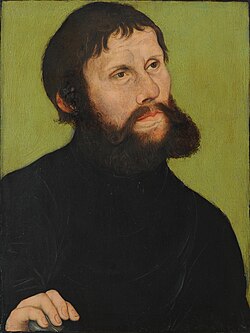
Martin Luther
A German priest, theologian, and key figure of the Protestant Reformation who challenged the Catholic Church's practices.
Một linh mục, nhà thần học người Đức và nhân vật chủ chốt của Cải cách Tin Lành, người đã thách thức các thực hành của Giáo hội Công giáo.
This biography of Martin Luther helps you learn English through real historical stories. Explore Martin Luther's impact on the world.
born1483
died1546
nationalityGerman
known forinitiating the Protestant Reformation and the 95 Theses
fieldreligion and theology
Key Takeaways from this Biography
- He sparked the Protestant Reformation by challenging the corrupt practices of the Catholic ChurchÔng đã châm ngòi cho cuộc Cải cách Kháng nghị bằng cách thách thức các hoạt động tham nhũng của Giáo hội Công giáo
- He famously nailed his 95 Theses to the church door in Wittenberg in 1517Ông nổi tiếng với việc đóng đinh 95 Luận đề của mình lên cửa nhà thờ ở Wittenberg vào năm 1517
- He believed salvation was achieved through faith alone, not by purchasing indulgencesÔng tin rằng sự cứu rỗi đạt được chỉ qua đức tin, không phải bằng cách mua sắc lệnh ân xá
- He translated the Bible into everyday German, making it accessible to common peopleÔng đã dịch Kinh thánh sang tiếng Đức thông dụng, làm cho những người bình thường có thể tiếp cận được
Life Timeline
1483
Born in Eisleben, SaxonySinh ra ở Eisleben, Saxony
1505
Became an Augustinian monkTrở thành một tu sĩ dòng Augustine
1517
Nailed the 95 Theses to the door of the Wittenberg Castle ChurchĐóng đinh bản 95 Luận đề lên cửa Nhà thờ Lâu đài Wittenberg
1521
Excommunicated by the Pope and stood trial at the Diet of WormsBị Giáo hoàng dứt phép thông công và phải hầu tòa tại Hội nghị Worms
1522
Published his German translation of the New TestamentXuất bản bản dịch Tân Ước tiếng Đức của mình
1546
Died in EislebenQua đời ở Eisleben
Biography Reading: Martin Luther
background
Martin Luther was born in 1483 in Eisleben, Germany. His father, a prosperous copper miner, wanted him to become a lawyer. Luther began studying law but experienced a life-changing event in 1505 when he was caught in a terrifying thunderstorm. Fearing for his life, he vowed to become a monk if he survived. True to his word, he abandoned his legal studies and entered an Augustinian monastery, where he devoted himself to fasting, long hours in prayer, and constant confession.
Martin Luther sinh năm 1483 tại Eisleben, Đức. Cha của ông, một thợ mỏ đồng thành đạt, muốn ông trở thành một luật sư. Luther bắt đầu học luật nhưng đã trải qua một sự kiện thay đổi cuộc đời vào năm 1505 khi ông bị mắc kẹt trong một cơn giông bão kinh hoàng. Lo sợ cho tính mạng của mình, ông thề sẽ trở thành một tu sĩ nếu sống sót. Giữ đúng lời hứa, ông từ bỏ việc học luật và bước vào một tu viện của Dòng Augustine, nơi ông cống hiến hết mình cho việc nhịn ăn, cầu nguyện nhiều giờ và liên tục xưng tội.
achievement
Despite his strict monastic life, Luther felt a deep sense of spiritual inadequacy. Through his study of the Bible, he came to believe that salvation is a gift from God received through faith alone, not through good works or purchasing indulgences (certificates that supposedly reduced punishment for sins). In 1517, outraged by the corrupt sale of indulgences by the Catholic Church, Luther drafted his famous "95 Theses"—a list of arguments and critiques—and famously nailed them to the door of the Castle Church in Wittenberg. Thanks to the newly invented printing press, his ideas spread like wildfire across Europe.
Bất chấp cuộc sống tu viện khắt khe của mình, Luther cảm thấy một cảm giác thiếu hụt tâm linh sâu sắc. Thông qua việc nghiên cứu Kinh thánh, ông bắt đầu tin rằng sự cứu rỗi là một món quà từ Đức Chúa Trời nhận được chỉ thông qua đức tin, chứ không phải thông qua những việc làm tốt hay việc mua "sắc lệnh ân xá" (indulgences - những tờ giấy chứng nhận được cho là giảm bớt hình phạt cho tội lỗi). Năm 1517, phẫn nộ trước việc Giáo hội Công giáo bán sắc lệnh ân xá đầy tham nhũng, Luther đã phác thảo "95 Luận đề" nổi tiếng của mình—một danh sách các lập luận và chỉ trích—và nổi tiếng với việc đóng đinh chúng lên cửa Nhà thờ Lâu đài ở Wittenberg. Nhờ có máy in mới được phát minh, những ý tưởng của ông đã lan truyền như cháy rừng khắp châu Âu.
impact
Luther's bold defiance sparked the Protestant Reformation, permanently fracturing Western Christianity. In 1521, he was excommunicated by the Pope and summoned before the Holy Roman Emperor at the Diet of Worms. Commanded to recant his writings, Luther famously refused, stating that his conscience was captive to the Word of God. He was declared an outlaw but was protected by sympathetic German princes. While in hiding, he translated the New Testament into everyday German, making the Bible accessible to ordinary people for the first time. He died in 1546, leaving a legacy that profoundly reshaped religious, cultural, and political history.
Sự thách thức táo bạo của Luther đã châm ngòi cho cuộc Cải cách Kháng nghị, làm rạn nứt vĩnh viễn Cơ đốc giáo phương Tây. Năm 1521, ông bị Giáo hoàng rút phép thông công và bị triệu tập trước Hoàng đế La Mã Thần thánh tại Hội nghị Worms. Được lệnh phải rút lại các bài viết của mình, Luther đã nổi tiếng từ chối, tuyên bố rằng lương tâm của ông bị giam cầm bởi Lời Chúa. Ông bị tuyên bố là kẻ sống ngoài vòng pháp luật nhưng được bảo vệ bởi các hoàng thân Đức có thiện cảm. Trong thời gian lẩn trốn, ông đã dịch Tân Ước sang tiếng Đức thông dụng, lần đầu tiên làm cho Kinh thánh có thể tiếp cận được với những người bình thường. Ông qua đời năm 1546, để lại một di sản định hình lại sâu sắc lịch sử tôn giáo, văn hóa và chính trị.
Essential Vocabulary
ReformationCải cách / Cải chánh
a 16th-century movement for the reform of abuses in the Roman Catholic Church ending in the establishment of the Reformed and Protestant Churches
một phong trào vào thế kỷ 16 nhằm cải cách những lạm dụng trong Giáo hội Công giáo La Mã, kết thúc bằng việc thành lập các Giáo hội Cải cách và Kháng nghị
monasterytu viện
a building or buildings occupied by a community of monks living under religious vows
một tòa nhà hoặc các tòa nhà được một cộng đồng các tu sĩ sống theo các lời thề tôn giáo sinh sống
indulgencesắc lệnh ân xá (chứng chỉ ân xá)
a grant by the Pope of remission of the temporal punishment in purgatory still due for sins after absolution
một sự ban cho của Giáo hoàng về việc miễn giảm hình phạt tạm thời trong luyện ngục cho những tội lỗi sau khi được xá tội
excommunicaterút phép thông công / khai trừ
officially exclude someone from participation in the sacraments and services of the Christian Church
chính thức loại trừ ai đó khỏi việc tham gia vào các bí tích và nghi lễ của Giáo hội Cơ đốc
recantrút lại (lời nói/niềm tin)
say that one no longer holds an opinion or belief, especially one recognized as heretical
nói rằng người ta không còn giữ một ý kiến hoặc niềm tin nào đó, đặc biệt là một niềm tin bị coi là dị giáo
consciencelương tâm
an inner feeling or voice viewed as acting as a guide to the rightness or wrongness of one's behavior
một cảm giác hoặc tiếng nói bên trong được xem như hoạt động như một sự hướng dẫn về sự đúng đắn hay sai trái trong hành vi của một người
Knowledge Check Quiz
FACTUAL1 / 4
What document did Martin Luther famously nail to the door of the Castle Church in Wittenberg?
Flashcards
KNOWLEDGE
Who sparked the Protestant Reformation in 1517?
Martin Luther.
1 / 9