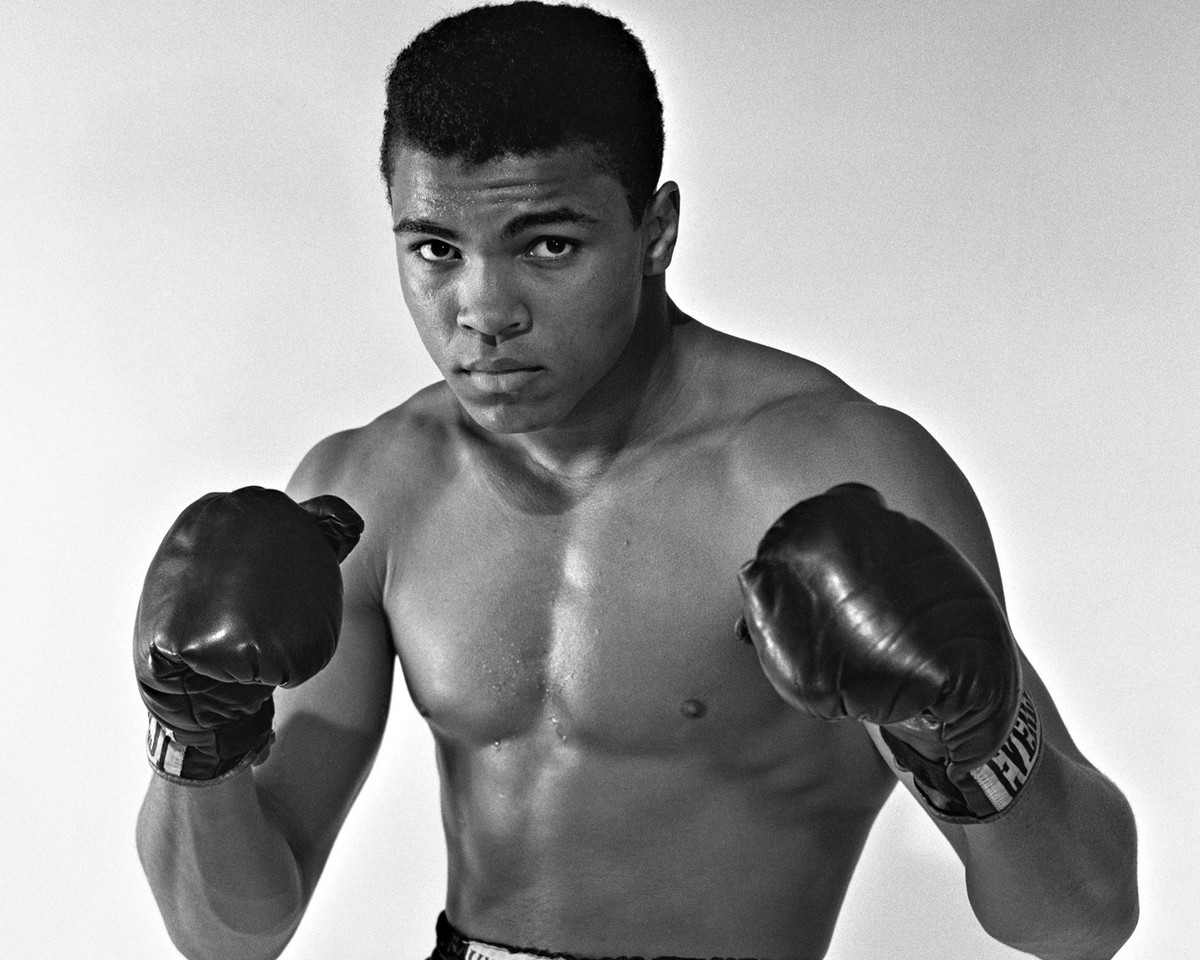
Muhammed Ali
An American professional boxer and global icon who transcended the sport to become a prominent figure in the civil rights and anti-war movements.
Một võ sĩ quyền anh chuyên nghiệp người Mỹ và biểu tượng toàn cầu, người vượt ra khỏi thể thao để trở thành một nhân vật nổi bật trong phong trào dân quyền và phản chiến.
This biography of Muhammed Ali helps you learn English through real historical stories. Explore Muhammed Ali's impact on the world.
born1942
died2016
nationalityAmerican
known forHeavyweight boxing champion and conscientious objection to the Vietnam War
fieldsports and civil rights
Key Takeaways from this Biography
- He is widely considered one of the greatest heavyweight boxers in history, known for his speed and confidenceÔng được nhiều người coi là một trong những võ sĩ quyền anh hạng nặng vĩ đại nhất trong lịch sử, nổi tiếng với tốc độ và sự tự tin
- He converted to Islam and changed his name to Muhammad Ali, rejecting his 'slave name'Ông cải đạo sang đạo Hồi và đổi tên thành Muhammad Ali, chối bỏ 'cái tên nô lệ' của mình
- He sacrificed his peak athletic years by refusing the Vietnam War draft on religious and moral groundsÔng đã hy sinh những năm tháng đỉnh cao của sự nghiệp thể thao bằng cách từ chối lệnh quân dịch Chiến tranh Việt Nam vì lý do tôn giáo và đạo đức
- He became a global symbol of civil rights, peace, and humanitarianism despite battling Parkinson's diseaseÔng trở thành biểu tượng toàn cầu về dân quyền, hòa bình và chủ nghĩa nhân đạo mặc dù phải chiến đấu với căn bệnh Parkinson
Life Timeline
1942
Born Cassius Clay in Louisville, KentuckySinh ra với tên Cassius Clay ở Louisville, Kentucky
1964
Won the heavyweight title and converted to Islam, becoming Muhammad AliGiành chức vô địch hạng nặng và cải đạo sang Hồi giáo, đổi tên thành Muhammad Ali
1967
Refused the military draft for the Vietnam War and was stripped of his boxing titlesTừ chối lệnh quân dịch cho Chiến tranh Việt Nam và bị tước các danh hiệu quyền anh
1971
The Supreme Court overturned his draft evasion convictionTòa án Tối cao hủy bỏ bản án trốn quân dịch của ông
1974
Defeated George Foreman in the 'Rumble in the Jungle'Đánh bại George Foreman trong trận đấu 'Rumble in the Jungle'
2016
Died in Scottsdale, ArizonaQua đời ở Scottsdale, Arizona
Biography Reading: Muhammed Ali
background
Born Cassius Marcellus Clay Jr. in 1942 in Louisville, Kentucky, he quickly rose to become one of the greatest boxers of all time. Known for his lightning-fast speed, unmatched confidence, and poetic trash-talking, he famously declared he would "float like a butterfly, sting like a bee." In 1964, at just 22 years old, he shocked the world by defeating Sonny Liston to win the world heavyweight championship. Shortly after, he publicly announced his conversion to Islam and changed his "slave name" to Muhammad Ali.
Sinh ra với tên Cassius Marcellus Clay Jr. vào năm 1942 tại Louisville, Kentucky, ông nhanh chóng vươn lên trở thành một trong những võ sĩ quyền anh vĩ đại nhất mọi thời đại. Được biết đến với tốc độ nhanh như chớp, sự tự tin vô song và những lời lẽ khiêu khích đầy chất thơ, ông đã tuyên bố nổi tiếng rằng mình sẽ "bay lượn như bướm, châm chích như ong". Năm 1964, khi mới 22 tuổi, ông đã làm chấn động thế giới khi đánh bại Sonny Liston để giành chức vô địch hạng nặng thế giới. Ngay sau đó, ông công khai tuyên bố cải đạo sang đạo Hồi và đổi "cái tên nô lệ" của mình thành Muhammad Ali.
achievement
Ali's most defining moment came outside the boxing ring. In 1967, at the peak of his athletic career, he cited his religious beliefs and opposition to American racism to categorically refuse the military draft for the Vietnam War. He famously stated, "I ain't got no quarrel with them Viet Cong." Consequently, he was stripped of his boxing titles, fined, and sentenced to five years in prison. Though he stayed out of prison on appeal, he was banned from boxing for over three years, sacrificing his prime athletic years for his deeply held anti-war principles.
Khoảnh khắc mang tính quyết định nhất của Ali lại diễn ra bên ngoài võ đài. Năm 1967, ở đỉnh cao của sự nghiệp thể thao, ông đã viện dẫn niềm tin tôn giáo và sự phản đối của mình đối với chủ nghĩa phân biệt chủng tộc ở Mỹ để dứt khoát từ chối lệnh quân dịch tham gia Chiến tranh Việt Nam. Ông đã có câu nói nổi tiếng: "Tôi không có thù oán gì với Việt Cộng cả". Hậu quả là ông bị tước các danh hiệu quyền anh, bị phạt tiền và bị kết án năm năm tù. Mặc dù ông không phải ngồi tù nhờ kháng cáo, ông đã bị cấm thi đấu quyền anh trong hơn ba năm, hy sinh những năm tháng thanh xuân sung sức nhất của sự nghiệp cho những nguyên tắc phản chiến sâu sắc của mình.
impact
In 1971, the U.S. Supreme Court unanimously overturned his conviction, allowing him to reclaim his throne. He engaged in some of the most famous fights in history, including the "Rumble in the Jungle" against George Foreman and the "Thrilla in Manila" against Joe Frazier. Retiring in 1981, he was later diagnosed with Parkinson's disease. Despite his declining physical health, he remained a powerful, beloved ambassador for peace, lighting the Olympic cauldron in 1996 and traveling the globe to promote humanitarian causes until his death in 2016.
Năm 1971, Tòa án Tối cao Hoa Kỳ đã nhất trí lật lại bản án của ông, cho phép ông giành lại ngai vàng của mình. Ông đã tham gia vào một số trận đấu nổi tiếng nhất trong lịch sử, bao gồm "Rumble in the Jungle" (Tiếng gầm trong rừng thẳm) đối đầu với George Foreman và "Thrilla in Manila" (Kinh hoàng ở Manila) với Joe Frazier. Giải nghệ năm 1981, sau đó ông được chẩn đoán mắc bệnh Parkinson. Bất chấp sức khỏe thể chất suy giảm, ông vẫn là một đại sứ hòa bình mạnh mẽ và được yêu mến, thắp sáng đài lửa Olympic năm 1996 và đi khắp thế giới để thúc đẩy các hoạt động nhân đạo cho đến khi qua đời vào năm 2016.
Essential Vocabulary
transcendvượt ra ngoài / vượt lên trên
to be or go beyond the range or limits of something
vượt qua hoặc vượt ra khỏi phạm vi hoặc giới hạn của một cái gì đó
conscientioustận tâm / vì lương tâm
wishing to do what is right, especially to do one's work or duty well and thoroughly
mong muốn làm những gì là đúng, đặc biệt là hoàn thành tốt và kỹ lưỡng công việc hoặc nhiệm vụ của mình
quarrelsự thù oán / cuộc cãi vã
an angry argument or disagreement
một cuộc tranh cãi hoặc bất đồng tức giận
evasionsự trốn tránh
the action of evading something, especially paying taxes or serving in the military
hành động trốn tránh một cái gì đó, đặc biệt là nộp thuế hoặc phục vụ trong quân đội
unanimouslynhất trí hoàn toàn
without opposition; with the agreement of all people involved
không có sự phản đối; với sự đồng ý của tất cả những người liên quan
ambassadorđại sứ
an accredited diplomat or a person who acts as a representative or promoter of a specified activity
một nhà ngoại giao được ủy nhiệm hoặc một người đóng vai trò là đại diện hoặc người thúc đẩy một hoạt động cụ thể
Knowledge Check Quiz
FACTUAL1 / 4
What reason did Muhammad Ali give for refusing the military draft in 1967?
Flashcards
KNOWLEDGE
What was Muhammad Ali's birth name before he converted to Islam?
Cassius Clay.
1 / 9