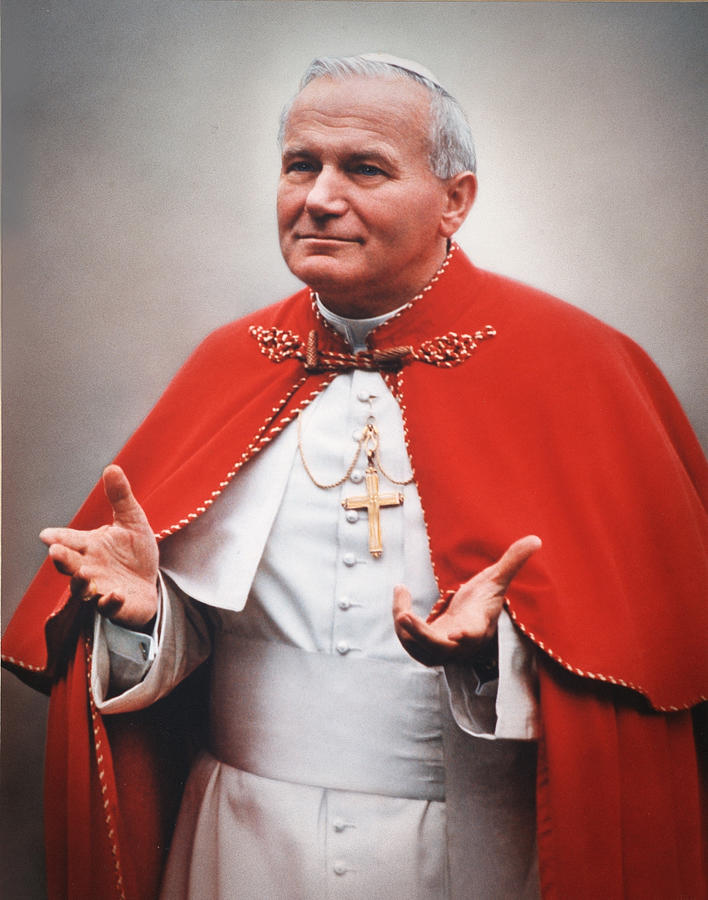
Pope John Paul II
The head of the Catholic Church from 1978 to 2005, recognized as a tireless advocate for human rights and a key figure in the fall of communism in Europe.
Người đứng đầu Giáo hội Công giáo từ năm 1978 đến 2005, được công nhận là người ủng hộ không mệt mỏi cho nhân quyền và là nhân vật then chốt trong sự sụp đổ của chủ nghĩa cộng sản ở châu Âu.
This biography of Pope John Paul II helps you learn English through real historical stories. Explore Pope John Paul II's impact on the world.
born1920
died2005
nationalityPolish
known forAdvocating for human rights, interfaith dialogue, and helping end communism in Eastern Europe
fieldreligion and global diplomacy
Key Takeaways from this Biography
- He made history in 1978 by becoming the first non-Italian pope in 455 yearsÔng làm nên lịch sử vào năm 1978 khi trở thành vị giáo hoàng đầu tiên không phải người Ý trong vòng 455 năm
- His spiritual leadership and 1979 pilgrimage to Poland were crucial in the peaceful collapse of Eastern European communismSự lãnh đạo tinh thần và cuộc hành hương năm 1979 của ông tới Ba Lan có ý nghĩa then chốt trong sự sụp đổ ôn hòa của chủ nghĩa cộng sản Đông Âu
- He demonstrated profound mercy by famously forgiving the man who attempted to assassinate him in 1981Ông đã thể hiện lòng nhân từ sâu sắc khi nổi tiếng với việc tha thứ cho kẻ đã cố gắng ám sát mình vào năm 1981
- He was a widely traveled advocate for human rights, peace, and interfaith dialogueÔng là một người ủng hộ nhân quyền, hòa bình và đối thoại liên tôn giáo, đã đi đến rất nhiều nơi trên thế giới
Life Timeline
1920
Born Karol Józef Wojtyła in Wadowice, PolandSinh ra với tên Karol Józef Wojtyła ở Wadowice, Ba Lan
1946
Ordained as a Catholic priestĐược phong chức linh mục Công giáo
1978
Elected as Pope, taking the name John Paul IIĐược bầu làm Giáo hoàng, lấy tên là Gioan Phaolô II (John Paul II)
1979
Made a historic pilgrimage to communist PolandThực hiện một chuyến hành hương mang tính lịch sử đến Ba Lan cộng sản
1981
Survived an assassination attempt in St. Peter's SquareSống sót sau một nỗ lực ám sát tại Quảng trường Thánh Phêrô
2005
Died in Vatican CityQua đời ở Thành quốc Vatican
Biography Reading: Pope John Paul II
background
Born Karol Józef Wojtyła in 1920 in Wadowice, Poland, he experienced the profound tragedies of the 20th century firsthand. During the brutal Nazi occupation of Poland in World War II, he studied secretly in an underground seminary. Ordained as a Catholic priest in 1946, he rose through the church hierarchy, becoming the Archbishop of Kraków. In 1978, he made history by becoming Pope John Paul II, the first non-Italian pope in 455 years and the head of the global Catholic Church.
Sinh ra với tên Karol Józef Wojtyła vào năm 1920 tại Wadowice, Ba Lan, ông đã tận mắt chứng kiến những bi kịch sâu sắc của thế kỷ 20. Trong thời kỳ Đức Quốc xã chiếm đóng Ba Lan tàn bạo vào Thế chiến II, ông đã bí mật theo học tại một chủng viện ngầm. Được thụ phong linh mục Công giáo năm 1946, ông thăng tiến qua các cấp bậc của giáo hội, trở thành Tổng giám mục Kraków. Năm 1978, ông làm nên lịch sử khi trở thành Giáo hoàng John Paul II, vị giáo hoàng đầu tiên không phải người Ý trong vòng 455 năm và là người đứng đầu Giáo hội Công giáo toàn cầu.
achievement
Pope John Paul II wielded his immense moral authority to champion human rights and confront political oppression. His historic nine-day pilgrimage to his native communist Poland in 1979 sparked a peaceful revolution, deeply inspiring the Solidarity movement led by Lech Wałęsa. Historians widely credit his spiritual leadership and diplomatic influence as crucial catalysts for the peaceful collapse of communism across Eastern Europe. In 1981, he survived an assassination attempt in St. Peter's Square and later famously visited his attacker in prison to offer his forgiveness, a profound act of Christian mercy.
Giáo hoàng John Paul II đã sử dụng uy quyền đạo đức to lớn của mình để bảo vệ nhân quyền và đối đầu với sự áp bức chính trị. Cuộc hành hương lịch sử kéo dài chín ngày của ông về quê hương Ba Lan cộng sản vào năm 1979 đã châm ngòi cho một cuộc cách mạng ôn hòa, truyền cảm hứng sâu sắc cho phong trào Đoàn kết do Lech Wałęsa lãnh đạo. Các nhà sử học ghi nhận rộng rãi sự lãnh đạo tinh thần và ảnh hưởng ngoại giao của ông là những chất xúc tác quan trọng cho sự sụp đổ ôn hòa của chủ nghĩa cộng sản trên khắp Đông Âu. Năm 1981, ông sống sót sau một vụ ám sát ở Quảng trường Thánh Peter và sau đó nổi tiếng với việc đến thăm kẻ tấn công mình trong tù để trao sự tha thứ, một hành động sâu sắc của lòng nhân từ Cơ đốc giáo.
impact
One of the most traveled world leaders in history, he visited 129 countries during his nearly 27-year papacy. He actively promoted interfaith dialogue, becoming the first pope to visit a synagogue and a mosque, and tirelessly advocated for peace, social justice, and the sanctity of life. Despite battling severe health issues in his later years, including Parkinson's disease, he continued his public ministry until his death in 2005. Millions gathered in Rome for his funeral, cementing his legacy as a towering symbol of global peace and human dignity.
Là một trong những nhà lãnh đạo thế giới đi lại nhiều nhất trong lịch sử, ông đã đến thăm 129 quốc gia trong suốt gần 27 năm tại vị của mình. Ông tích cực thúc đẩy đối thoại liên tôn giáo, trở thành vị giáo hoàng đầu tiên đến thăm một hội đường Do Thái và một nhà thờ Hồi giáo, đồng thời không mệt mỏi đấu tranh cho hòa bình, công lý xã hội và sự thiêng liêng của sự sống. Mặc dù phải chiến đấu với những vấn đề sức khỏe nghiêm trọng trong những năm cuối đời, bao gồm cả bệnh Parkinson, ông vẫn tiếp tục sứ vụ công khai cho đến khi qua đời vào năm 2005. Hàng triệu người đã tụ tập tại Rome để dự lễ tang của ông, củng cố di sản của ông như một biểu tượng vĩ đại của hòa bình toàn cầu và nhân phẩm con người.
Essential Vocabulary
papacynhiệm kỳ giáo hoàng
the office or authority of the pope
chức vụ hoặc thẩm quyền của giáo hoàng
seminarychủng viện
a college that prepares students to be priests, ministers, or rabbis
một trường cao đẳng đào tạo sinh viên trở thành linh mục, mục sư hoặc giáo sĩ Do Thái
catalystchất xúc tác
a person or thing that precipitates an event or change
một người hoặc vật thúc đẩy một sự kiện hoặc sự thay đổi xảy ra
assassinationsự ám sát
the murder of a prominent person, often for political reasons
vụ giết hại một người nổi tiếng, thường vì lý do chính trị
interfaithliên tôn giáo
relating to or involving different religions
liên quan đến hoặc bao gồm các tôn giáo khác nhau
mercylòng nhân từ / sự thương xót
compassion or forgiveness shown toward someone whom it is within one's power to punish or harm
lòng trắc ẩn hoặc sự tha thứ thể hiện đối với người mà mình có quyền trừng phạt hoặc làm hại
Knowledge Check Quiz
FACTUAL1 / 4
What historic milestone did Karol Wojtyła achieve when he was elected Pope in 1978?
Flashcards
KNOWLEDGE
What was Pope John Paul II's birth name?
Karol Józef Wojtyła.
1 / 9