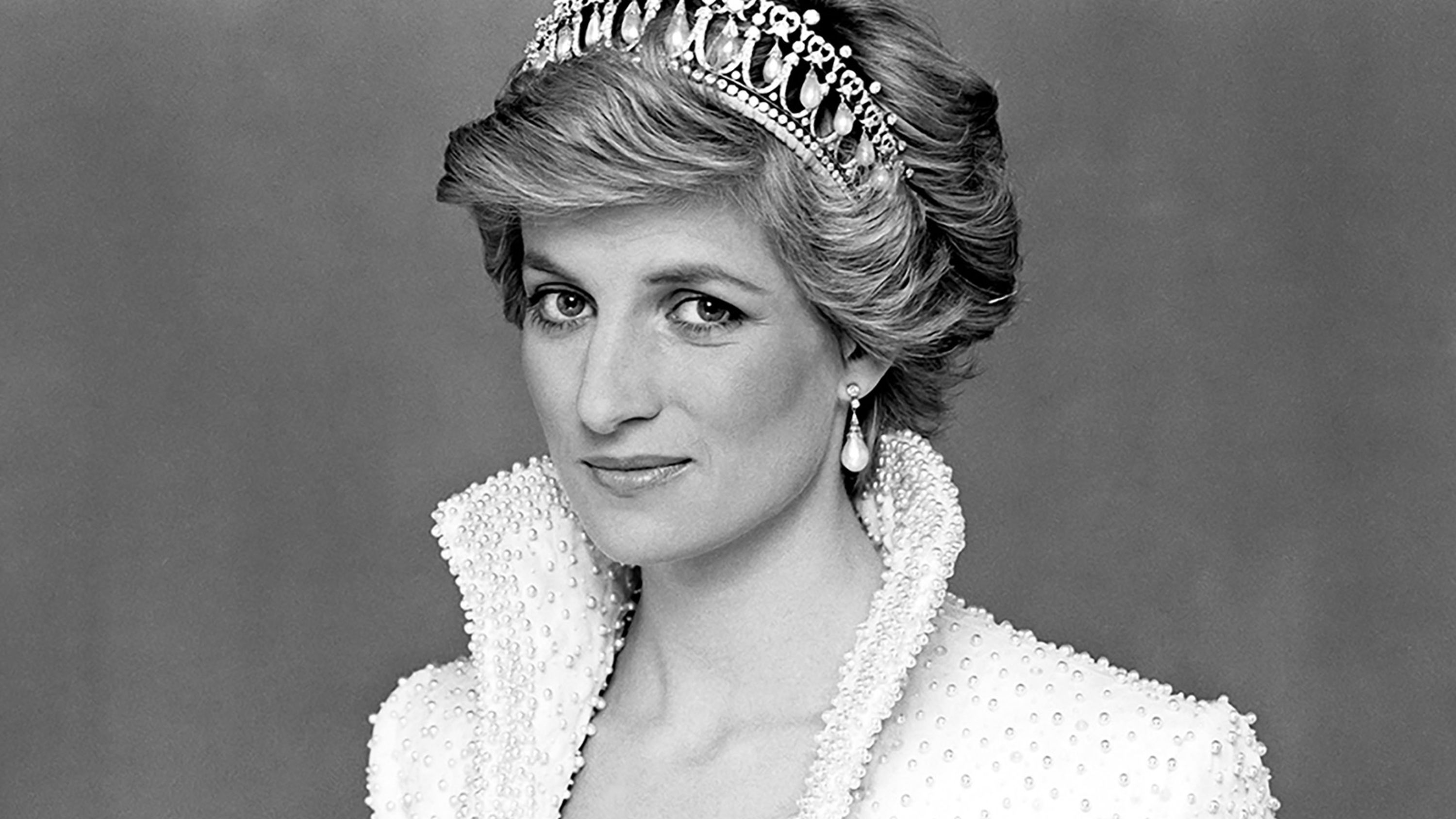
Princess Diana
A beloved member of the British royal family who used her global fame to champion humanitarian causes, most notably the campaign against landmines and HIV/AIDS awareness.
Một thành viên được yêu mến của Hoàng gia Anh, người đã sử dụng danh tiếng toàn cầu của mình để thúc đẩy các hoạt động nhân đạo, đặc biệt là chiến dịch chống mìn và nâng cao nhận thức về HIV/AIDS.
This biography of Princess Diana helps you learn English through real historical stories. Explore Princess Diana's impact on the world.
born1961
died1997
nationalityBritish
known forHumanitarian work, the landmine campaign, and HIV/AIDS advocacy
fieldhumanitarianism and philanthropy
Key Takeaways from this Biography
- She was the Princess of Wales, widely known as the 'People's Princess' for her natural empathyBà là Vương phi xứ Wales, được biết đến rộng rãi với danh hiệu 'Công nương của Nhân dân' vì sự đồng cảm tự nhiên
- She revolutionized royal charity by tackling stigmatized issues like HIV/AIDS and leprosyBà đã cách mạng hóa hoạt động từ thiện của hoàng gia bằng cách giải quyết các vấn đề bị kỳ thị như HIV/AIDS và bệnh phong
- She famously shook hands with an AIDS patient without gloves, dismantling public fearBà nổi tiếng với việc bắt tay một bệnh nhân AIDS mà không đeo găng tay, xóa bỏ nỗi sợ hãi của công chúng
- Her campaign against landmines directly contributed to the international Ottawa Treaty banning themChiến dịch chống bom mìn của bà đã đóng góp trực tiếp vào Hiệp ước quốc tế Ottawa cấm vũ khí này
Life Timeline
1961
Born Diana Frances Spencer in Sandringham, EnglandSinh ra với tên Diana Frances Spencer ở Sandringham, Anh
1981
Married Prince Charles, becoming the Princess of WalesKết hôn với Thái tử Charles, trở thành Vương phi xứ Wales
1987
Made headlines by shaking hands with an AIDS patient, challenging the stigmaThu hút sự chú ý của báo giới khi bắt tay với một bệnh nhân AIDS, thách thức sự kỳ thị
1996
Divorced Prince CharlesLy hôn Thái tử Charles
1997
Walked through an active minefield in Angola to campaign against landminesĐi bộ qua một bãi mìn còn hoạt động ở Angola để vận động chống lại mìn sát thương
1997
Died tragically in a car crash in Paris, FranceQua đời thảm khốc trong một vụ tai nạn xe hơi ở Paris, Pháp
Biography Reading: Princess Diana
background
Diana Frances Spencer was born in 1961 into British nobility. She married Prince Charles in 1981 in a globally televised "fairytale" wedding, officially becoming the Princess of Wales. Despite her immense privilege and royal status, she struggled privately with the intense media scrutiny, a difficult marriage, and the rigid, often cold expectations of the monarchy. However, her natural warmth, vulnerability, and profound empathy quickly made her the most beloved member of the royal family, earning her the enduring title of the "People's Princess."
Diana Frances Spencer sinh năm 1961 trong giới quý tộc Anh. Bà kết hôn với Thái tử Charles vào năm 1981 trong một đám cưới "cổ tích" được truyền hình toàn cầu, chính thức trở thành Vương phi xứ Wales. Bất chấp đặc quyền to lớn và địa vị hoàng gia của mình, bà đã âm thầm vật lộn với sự soi mói dữ dội của giới truyền thông, một cuộc hôn nhân trắc trở và những kỳ vọng cứng nhắc, thường là lạnh lùng của chế độ quân chủ. Tuy nhiên, sự ấm áp tự nhiên, sự dễ bị tổn thương và lòng trắc ẩn sâu sắc đã nhanh chóng đưa bà trở thành thành viên được yêu mến nhất của hoàng gia, mang lại cho bà danh hiệu trường tồn là "Công nương của Nhân dân".
achievement
Diana revolutionized the royal approach to charity by tackling causes that others actively avoided. In 1987, during the height of the HIV/AIDS epidemic when public fear and misinformation were rampant, she deliberately shook hands with a patient without wearing gloves. This single, highly publicized gesture profoundly changed global perceptions and helped dismantle the cruel stigma surrounding the disease. She showed similar courageous compassion to leprosy patients and the homeless, proving her dedication to society's most marginalized outcasts.
Diana đã cách mạng hóa cách tiếp cận từ thiện của hoàng gia bằng cách giải quyết những vấn đề mà những người khác chủ động né tránh. Năm 1987, giữa đỉnh điểm của đại dịch HIV/AIDS khi nỗi sợ hãi và thông tin sai lệch của công chúng đang tràn lan, bà đã cố tình bắt tay một bệnh nhân mà không đeo găng tay. Nghĩa cử duy nhất, được công bố rộng rãi này đã thay đổi sâu sắc nhận thức toàn cầu và giúp xóa bỏ sự kỳ thị tàn nhẫn xung quanh căn bệnh này. Bà cũng thể hiện lòng trắc ẩn đầy can đảm tương tự đối với các bệnh nhân phong và người vô gia cư, chứng minh sự cống hiến của bà cho những người bị gạt ra ngoài lề xã hội nhất.
impact
Following her divorce in 1996, Diana focused her global platform entirely on humanitarian work. In early 1997, she famously walked through a partially cleared, active minefield in Angola to campaign for an international ban on anti-personnel landmines. Her immense influence directly contributed to the signing of the Ottawa Treaty later that year. Tragically, Diana died in a car crash in Paris in August 1997 while fleeing paparazzi. While her life was cut short, her legacy of hands-on activism permanently transformed how public figures engage with global crises.
Sau khi ly hôn vào năm 1996, Diana đã tập trung hoàn toàn nền tảng toàn cầu của mình vào công việc nhân đạo. Đầu năm 1997, bà nổi tiếng với việc bước đi qua một bãi mìn đang hoạt động, mới được rà phá một phần ở Angola để vận động cho một lệnh cấm quốc tế đối với mìn chống sát thương. Ảnh hưởng to lớn của bà đã trực tiếp đóng góp vào việc ký kết Hiệp ước Ottawa vào cuối năm đó. Thật bi thảm, Diana đã qua đời trong một vụ tai nạn xe hơi ở Paris vào tháng 8 năm 1997 khi đang chạy trốn các tay săn ảnh. Mặc dù cuộc đời bà bị cắt ngắn, di sản của bà về hoạt động thực tiễn đã thay đổi vĩnh viễn cách các nhân vật của công chúng tham gia vào các cuộc khủng hoảng toàn cầu.
Essential Vocabulary
scrutinysự soi mói / sự giám sát
critical observation or examination
sự quan sát hoặc kiểm tra mang tính chỉ trích
stigmasự kỳ thị / vết nhơ
a mark of disgrace associated with a particular circumstance, quality, or person
một dấu hiệu của sự ô nhục liên quan đến một hoàn cảnh, phẩm chất hoặc con người cụ thể
rampanttràn lan
flourishing or spreading unchecked
phát triển hoặc lây lan không kiểm soát
marginalizedbị gạt ra ngoài lề xã hội
treated as insignificant or peripheral
bị đối xử như không quan trọng hoặc ở vùng ngoại biên
anti-personnelchống sát thương (bom mìn)
designed to kill or injure people rather than to damage buildings or equipment
được thiết kế để giết hoặc làm bị thương người chứ không phải để phá hủy các tòa nhà hoặc thiết bị
paparazzithợ săn ảnh
freelance photographers who pursue celebrities to get photographs of them
các nhiếp ảnh gia tự do theo đuổi những người nổi tiếng để chụp ảnh họ
Knowledge Check Quiz
FACTUAL1 / 4
What treaty, which banned anti-personnel landmines, did Princess Diana's campaign help bring about?
Flashcards
KNOWLEDGE
What affectionate title was Princess Diana given by the public?
The People's Princess.
1 / 9