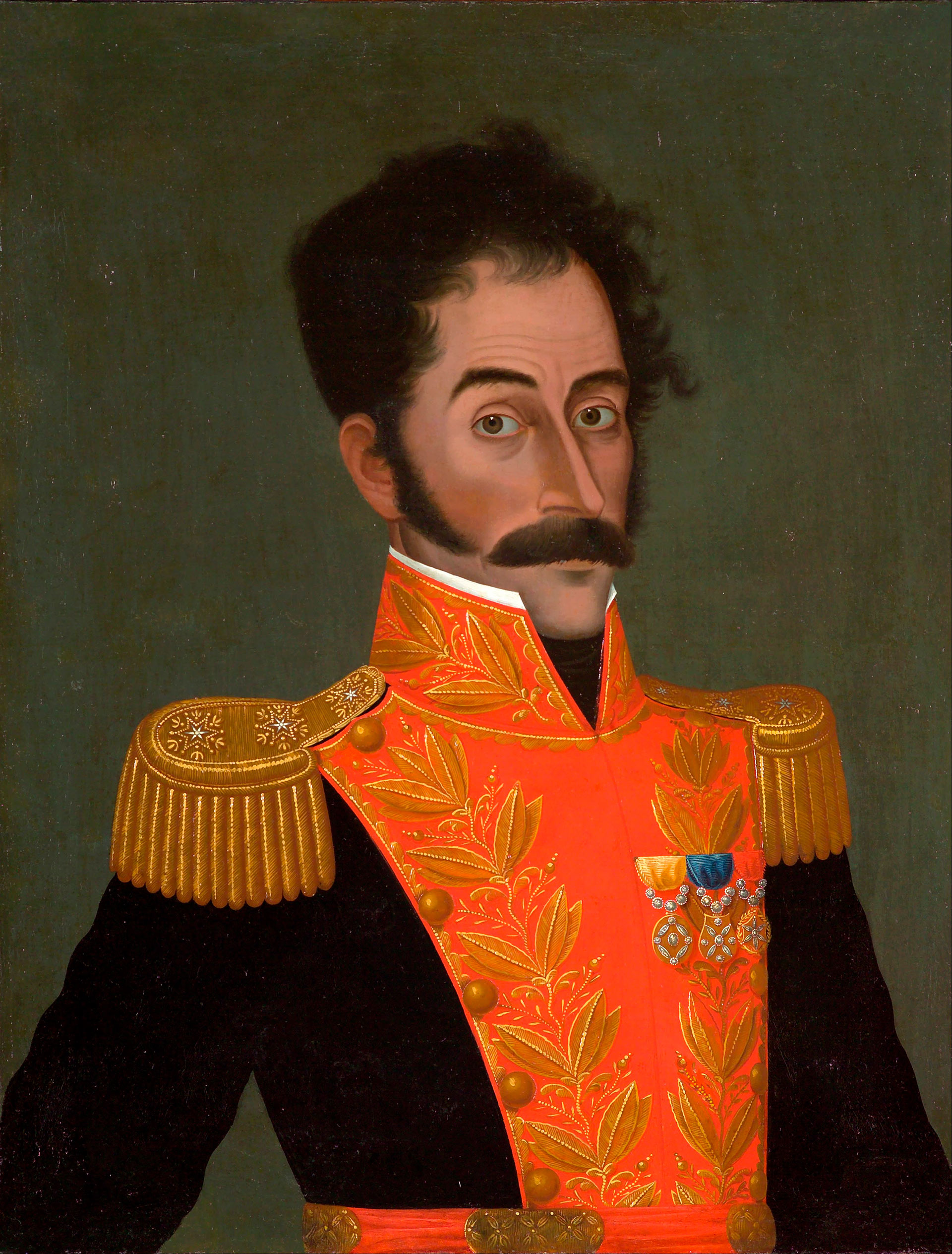
Simon Bolivar
A Venezuelan military and political leader who played a central role in South America's successful struggle for independence from the Spanish Empire.
Một nhà lãnh đạo quân sự và chính trị người Venezuela, người đóng vai trò trung tâm trong cuộc đấu tranh giành độc lập thành công của Nam Mỹ khỏi Đế quốc Tây Ban Nha.
This biography of Simon Bolivar helps you learn English through real historical stories. Explore Simon Bolivar's impact on the world.
born1783
died1830
nationalityVenezuelan
known forLeading the independence of six South American countries from Spanish rule
fieldmilitary leadership and nation building
Key Takeaways from this Biography
- He earned the revered title 'El Libertador' for leading the independence of six modern South American nations from Spanish ruleÔng đã giành được danh hiệu tôn kính 'El Libertador' nhờ lãnh đạo công cuộc giành độc lập cho sáu quốc gia Nam Mỹ hiện đại khỏi ách thống trị của Tây Ban Nha
- He orchestrated a daring military crossing of the Andes in 1819 to defeat Spanish forcesÔng đã điều phối một cuộc vượt dãy Andes táo bạo bằng quân sự vào năm 1819 để đánh bại lực lượng Tây Ban Nha
- He served as the first president of Gran Colombia, a vast unified republic he helped createÔng từng là tổng thống đầu tiên của Gran Colombia, một nước cộng hòa thống nhất rộng lớn mà ông đã góp phần tạo ra
- His ultimate dream of a permanently united Hispanic America failed due to fierce regional rivalriesGiấc mơ cuối cùng của ông về một châu Mỹ gốc Tây Ban Nha thống nhất vĩnh viễn đã thất bại do sự cạnh tranh khu vực khốc liệt
Life Timeline
1783
Born in Caracas, New Granada (now Venezuela)Sinh ra ở Caracas, New Granada (nay là Venezuela)
1813
Led the Admirable Campaign and was granted the title 'El Libertador'Lãnh đạo Chiến dịch Đáng ngưỡng mộ và được trao tặng danh hiệu 'Người giải phóng' (El Libertador)
1819
Led the daring crossing of the Andes and won the Battle of BoyacáLãnh đạo cuộc vượt dãy Andes táo bạo và giành chiến thắng trong Trận Boyacá
1819
Became the first president of the newly formed republic of Gran ColombiaTrở thành tổng thống đầu tiên của nước cộng hòa Gran Colombia mới thành lập
1824
Secured Peruvian independence at the Battle of AyacuchoBảo vệ nền độc lập của Peru tại Trận Ayacucho
1830
Resigned his presidency and died shortly after in ColombiaTừ chức tổng thống và qua đời ngay sau đó ở Colombia
Biography Reading: Simon Bolivar
background
Simón Bolívar was born in 1783 in Caracas into a wealthy, aristocratic Creole family. Sent to Europe for his education, he became deeply immersed in the philosophical ideals of the Enlightenment and witnessed the aftermath of the French Revolution. These experiences ignited a fervent desire to free his homeland from the oppressive grip of the Spanish Empire. Returning to South America, he plunged into the burgeoning independence movement, eventually earning the revered title "El Libertador" (The Liberator) after his successful 1813 military campaign.
Simón Bolívar sinh năm 1783 tại Caracas trong một gia đình quý tộc Creole giàu có. Được gửi sang châu Âu để học tập, ông đã chìm đắm sâu sắc vào những lý tưởng triết học của Phong trào Khai sáng và chứng kiến hậu quả của Cách mạng Pháp. Những trải nghiệm này đã thắp lên khao khát mãnh liệt nhằm giải phóng quê hương khỏi ách thống trị áp bức của Đế quốc Tây Ban Nha. Trở về Nam Mỹ, ông lao vào phong trào độc lập đang phát triển, cuối cùng giành được danh hiệu tôn kính "El Libertador" (Người Giải phóng) sau chiến dịch quân sự thành công năm 1813 của mình.
achievement
Bolívar's military genius and sheer willpower were unmatched. In 1819, he orchestrated one of the most audacious maneuvers in military history: leading a ragtag army across the treacherous, freezing peaks of the Andes Mountains to surprise and defeat Spanish forces at the Battle of Boyacá. This decisive victory led to the creation of Gran Colombia, a vast, unified republic comprising modern-day Venezuela, Colombia, Ecuador, and Panama, with Bolívar serving as its first president. He later pushed southward, instrumental in liberating Peru and founding Bolivia, which was named in his honor.
Thiên tài quân sự và ý chí kiên cường của Bolívar là vô song. Năm 1819, ông đã điều phối một trong những cuộc thao diễn táo bạo nhất trong lịch sử quân sự: dẫn dắt một đội quân ô hợp vượt qua những đỉnh núi nguy hiểm, băng giá của dãy Andes để bất ngờ tấn công và đánh bại quân Tây Ban Nha trong Trận Boyacá. Chiến thắng quyết định này đã dẫn đến việc thành lập Gran Colombia, một nước cộng hòa thống nhất, rộng lớn bao gồm Venezuela, Colombia, Ecuador và Panama ngày nay, với Bolívar giữ chức tổng thống đầu tiên. Sau đó, ông tiến về phía nam, đóng vai trò quan trọng trong việc giải phóng Peru và thành lập Bolivia, quốc gia được đặt theo tên để vinh danh ông.
impact
Despite his extraordinary triumphs on the battlefield, Bolívar's ultimate political vision of a united, pan-American federation ultimately crumbled. The immense geopolitical challenges and fierce regional rivalries proved insurmountable, leading to devastating internal conflicts and the eventual fragmentation of Gran Colombia. Disillusioned and battling failing health, he resigned from power in 1830 and died of tuberculosis shortly after at the age of 47. Nevertheless, his monumental legacy endures, cementing him as the undisputed father of South American independence.
Bất chấp những chiến thắng phi thường trên chiến trường, tầm nhìn chính trị cuối cùng của Bolívar về một liên bang châu Mỹ thống nhất rốt cuộc đã sụp đổ. Những thách thức địa chính trị to lớn và sự cạnh tranh khu vực khốc liệt tỏ ra không thể vượt qua, dẫn đến những cuộc xung đột nội bộ tàn khốc và sự phân mảnh cuối cùng của Gran Colombia. Vỡ mộng và phải chiến đấu với sức khỏe suy giảm, ông từ bỏ quyền lực vào năm 1830 và qua đời vì bệnh lao ngay sau đó ở tuổi 47. Mặc dù vậy, di sản vĩ đại của ông vẫn trường tồn, củng cố vị trí của ông như một người cha không thể tranh cãi của nền độc lập Nam Mỹ.
Essential Vocabulary
aristocraticthuộc giới quý tộc
belonging to, having the qualities of, or favoring the aristocracy
thuộc về, có phẩm chất của, hoặc ủng hộ tầng lớp quý tộc
ferventmãnh liệt / nồng nhiệt
having or displaying a passionate intensity
có hoặc thể hiện một cường độ đam mê mãnh liệt
audacioustáo bạo / gan dạ
showing a willingness to take surprisingly bold risks
thể hiện sự sẵn sàng chấp nhận những rủi ro táo bạo đến đáng ngạc nhiên
ragtagô hợp / tả tơi
untidy, disorganized, or incongruously varied in character
không gọn gàng, vô tổ chức hoặc có tính chất đa dạng một cách không phù hợp
fragmentationsự phân mảnh
the process or state of breaking or being broken into small or separate parts
quá trình hoặc trạng thái vỡ hoặc bị phá vỡ thành các phần nhỏ hoặc riêng biệt
undisputedkhông thể tranh cãi
not disputed or called in question; accepted
không bị tranh chấp hoặc đặt câu hỏi; được chấp nhận
Knowledge Check Quiz
FACTUAL1 / 4
Which modern-day country was named in honor of Simón Bolívar?
Flashcards
KNOWLEDGE
What revered title was Simón Bolívar given for his role in South American independence?
El Libertador (The Liberator).
1 / 9