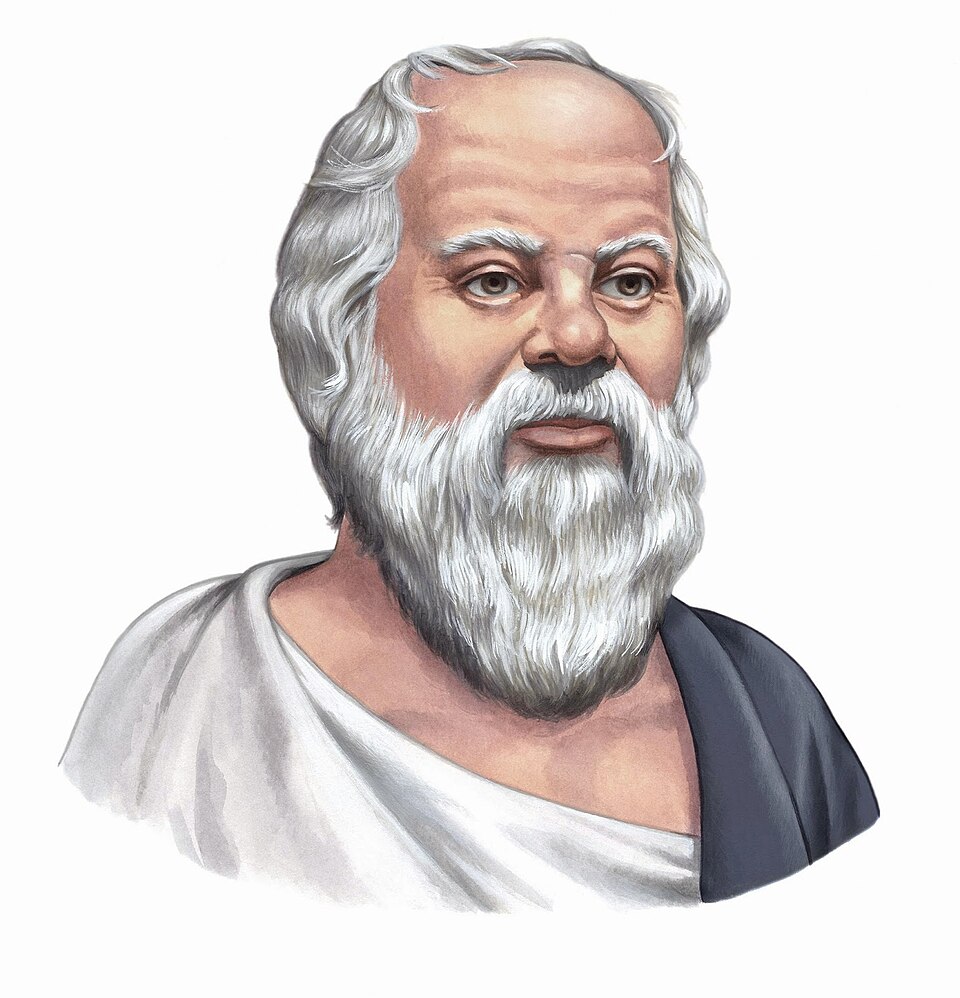
Socrates
A classical Greek philosopher credited as one of the founders of Western philosophy, known for his Socratic method of questioning.
Một triết gia Hy Lạp cổ đại, được xem là một trong những người sáng lập triết học phương Tây, nổi tiếng với phương pháp đặt câu hỏi Socrates.
This biography of Socrates helps you learn English through real historical stories. Explore Socrates's impact on the world.
bornc. 470 BC
died399 BC
nationalityGreek (Athenian)
known forthe Socratic method and foundational contributions to Western philosophy
fieldphilosophy
Key Takeaways from this Biography
- He never wrote any books; his ideas were recorded by his student PlatoÔng chưa bao giờ viết bất kỳ cuốn sách nào; những ý tưởng của ông được học trò là Plato ghi lại
- He developed the Socratic method, a system of asking questions to stimulate critical thinkingÔng đã phát triển phương pháp Socratic, một hệ thống đặt câu hỏi để kích thích tư duy phản biện
- He famously declared that his only wisdom was knowing that he knew nothingÔng nổi tiếng với tuyên bố rằng sự khôn ngoan duy nhất của ông là biết rằng mình không biết gì cả
- He was sentenced to death by drinking hemlock for 'corrupting the youth' of AthensÔng bị kết án tử hình bằng cách uống thuốc độc hemlock vì tội 'làm hư hỏng thanh niên' Athens
Life Timeline
c. 470 BC
Born in AthensSinh ra ở Athens
c. 431-404 BC
Served as a hoplite (soldier) in the Peloponnesian WarPhục vụ với tư cách là lính đánh bộ hạng nặng (hoplite) trong Chiến tranh Peloponnese
c. 420s BC
Began his public philosophical dialogues in the AgoraBắt đầu các cuộc đối thoại triết học công khai của mình ở Agora
399 BC
Put on trial for corrupting the youth and impietyBị đưa ra xét xử vì tội làm hư hỏng thanh niên và tội báng bổ
399 BC
Executed by drinking hemlockBị hành quyết bằng cách uống thuốc độc chiết xuất từ cây sâm độc
Biography Reading: Socrates
background
Socrates was born around 470 BC in Athens, Greece, during its golden age. Unlike many intellectuals of his time, he did not write down any of his teachings; everything we know about him comes from the accounts of his students, most notably Plato and Xenophon. He spent his early years working as a stonemason before serving bravely as a soldier in the Peloponnesian War. However, his true calling lay not in physical labor or warfare, but in the relentless pursuit of truth and wisdom.
Socrates sinh khoảng năm 470 TCN tại Athens, Hy Lạp, trong thời kỳ hoàng kim của thành bang này. Không giống như nhiều trí thức cùng thời, ông không ghi chép lại bất kỳ lời dạy nào của mình; mọi thứ chúng ta biết về ông đều đến từ những ghi chép của các học trò, nổi bật nhất là Plato và Xenophon. Ông dành những năm đầu đời làm thợ xây đá trước khi phục vụ dũng cảm với tư cách là một người lính trong Chiến tranh Peloponnese. Tuy nhiên, tiếng gọi thực sự của ông không nằm ở lao động chân tay hay chiến tranh, mà ở sự theo đuổi không ngừng nghỉ sự thật và trí tuệ.
achievement
He is best known for developing the "Socratic method," a form of cooperative argumentative dialogue. Instead of lecturing, Socrates would walk through the public squares of Athens, asking people probing questions about concepts like justice, courage, and piety. By constantly asking "why," he exposed contradictions in their thinking, showing that many who claimed to be wise actually knew very little. His most famous realization was his own intellectual humility: "I know that I know nothing."
Ông nổi tiếng nhất với việc phát triển "Phương pháp Vấn đáp" (phương pháp Socratic), một hình thức đối thoại tranh luận hợp tác. Thay vì giảng bài, Socrates sẽ đi bộ qua các quảng trường công cộng ở Athens, đặt cho mọi người những câu hỏi thăm dò về các khái niệm như công lý, lòng can đảm và lòng mộ đạo. Bằng cách liên tục hỏi "tại sao", ông đã vạch trần những mâu thuẫn trong suy nghĩ của họ, cho thấy nhiều người tự nhận là khôn ngoan thực chất lại biết rất ít. Sự nhận thức nổi tiếng nhất của ông chính là sự khiêm tốn về trí tuệ của bản thân: "Tôi chỉ biết một điều, đó là tôi không biết gì cả."
impact
Socrates's habit of embarrassing the powerful and encouraging the youth to question authority eventually made him powerful enemies. In 399 BC, he was put on trial, accused of corrupting the youth of Athens and failing to acknowledge the city's gods. Despite giving a brilliant and defiant defense, he was found guilty and sentenced to death. True to his principles, he refused opportunities to escape into exile, choosing instead to calmly drink a cup of poisonous hemlock, becoming philosophy's first great martyr and forever altering the course of Western thought.
Thói quen làm bẽ mặt những người có quyền lực và khuyến khích giới trẻ đặt câu hỏi với chính quyền của Socrates cuối cùng đã tạo ra cho ông những kẻ thù hùng mạnh. Năm 399 TCN, ông bị đưa ra xét xử, bị buộc tội làm hư hỏng thanh niên Athens và không công nhận các vị thần của thành phố. Mặc dù đã đưa ra một lời bào chữa xuất sắc và đầy thách thức, ông vẫn bị kết tội và bị kết án tử hình. Trung thành với các nguyên tắc của mình, ông đã từ chối các cơ hội vượt ngục để sống lưu vong, thay vào đó chọn cách bình thản uống một cốc thuốc độc hemlock, trở thành vị tử đạo vĩ đại đầu tiên của triết học và thay đổi mãi mãi tiến trình tư tưởng phương Tây.
Essential Vocabulary
stonemasonthợ xây đá
a person who cuts, prepares, and builds with stone
một người thợ cắt, chuẩn bị và xây dựng bằng đá
relentlesskhông ngừng nghỉ
oppressively constant; incessant
liên tục không ngừng; không dứt
probingthăm dò
inquiring closely into something; searching
hỏi han kỹ lưỡng về một cái gì đó; tìm kiếm
contradictionsự mâu thuẫn
a combination of statements, ideas, or features of a situation that are opposed to one another
sự kết hợp của các tuyên bố, ý tưởng hoặc đặc điểm của một tình huống trái ngược nhau
defiantđầy thách thức
showing open resistance; bold disobedience
thể hiện sự phản kháng công khai; sự bất tuân táo bạo
martyrvị tử đạo
a person who is killed because of their religious or other beliefs
một người bị giết vì tôn giáo hoặc tín ngưỡng khác của họ
Knowledge Check Quiz
FACTUAL1 / 4
Which of Socrates's students is most famous for writing down his dialogues?
Flashcards
KNOWLEDGE
Who was Socrates?
A classical Greek philosopher and a founder of Western philosophy.
1 / 9