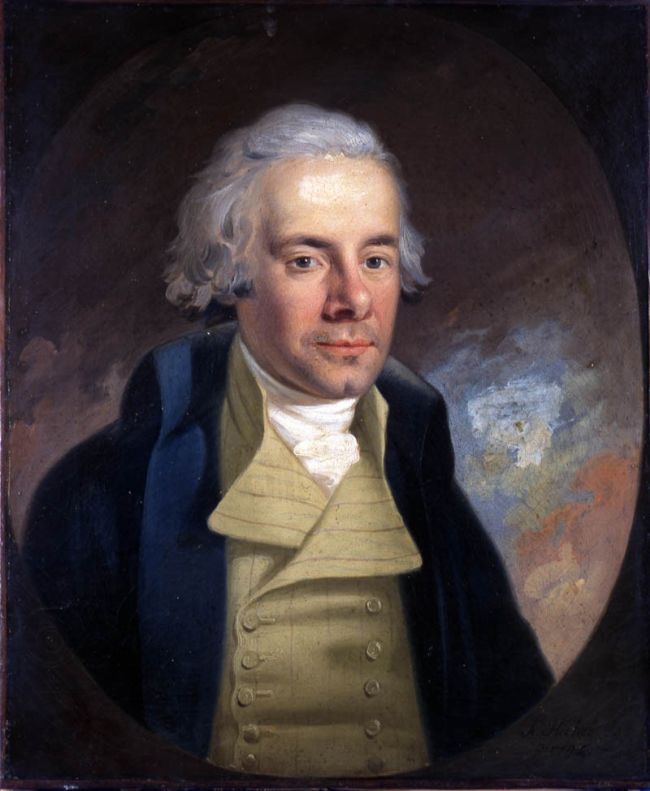
William Wilberforce
An English politician, philanthropist, and leader of the movement to abolish the slave trade in the British Empire.
Một chính trị gia, nhà từ thiện người Anh và lãnh đạo phong trào xóa bỏ buôn bán nô lệ trong Đế quốc Anh.
This biography of William Wilberforce helps you learn English through real historical stories. Explore William Wilberforce's impact on the world.
born1759
died1833
nationalityEnglish
known forLeading the parliamentary campaign against the slave trade
fieldpolitics and human rights
Key Takeaways from this Biography
- He was an English Member of Parliament who led the political campaign to abolish the slave tradeÔng là một Nghị sĩ Quốc hội Anh, người đã lãnh đạo chiến dịch chính trị nhằm bãi bỏ việc buôn bán nô lệ
- His profound Christian faith drove his lifelong commitment to social reform and human rightsĐức tin Cơ đốc sâu sắc đã thúc đẩy cam kết trọn đời của ông đối với cải cách xã hội và nhân quyền
- He faced fierce opposition for 20 years before the Slave Trade Act was finally passed in 1807Ông đã phải đối mặt với sự phản đối dữ dội trong 20 năm trước khi Đạo luật Buôn bán Nô lệ cuối cùng được thông qua vào năm 1807
- He died in 1833 just days before the Slavery Abolition Act was passed, ending slavery in the British EmpireÔng qua đời năm 1833 chỉ vài ngày trước khi Đạo luật Bãi bỏ Chế độ Nô lệ được thông qua, chấm dứt chế độ nô lệ ở Đế quốc Anh
Life Timeline
1759
Born in Hull, EnglandSinh ra ở Hull, Anh
1780
Elected as a Member of Parliament (MP)Được bầu làm Nghị sĩ Quốc hội (MP)
1785
Underwent a profound evangelical Christian conversionTrải qua một cuộc cải đạo sâu sắc sang Cơ đốc giáo Tin lành
1787
Began his lifelong campaign to abolish the slave tradeBắt đầu chiến dịch trọn đời của mình nhằm bãi bỏ chế độ buôn bán nô lệ
1807
The Slave Trade Act was passed, banning the trade in the British EmpireĐạo luật Buôn bán Nô lệ được thông qua, cấm việc buôn bán này trong Đế quốc Anh
1833
Died in London, days before the Slavery Abolition Act was passedQua đời ở London, vài ngày trước khi Đạo luật Bãi bỏ Nô lệ được thông qua
Biography Reading: William Wilberforce
background
William Wilberforce was born in 1759 in Hull, England, to a wealthy merchant family. He entered politics at a young age, becoming a Member of Parliament (MP) in 1780. During his early years in politics, he was known for his charm, eloquence, and lively social life. However, in 1785, he underwent a profound evangelical Christian conversion that fundamentally changed the trajectory of his life, instilling in him a deep sense of moral purpose and a commitment to social reform.
William Wilberforce sinh năm 1759 tại Hull, Anh, trong một gia đình thương gia giàu có. Ông tham gia chính trường từ khi còn trẻ, trở thành Nghị sĩ Quốc hội (MP) vào năm 1780. Trong những năm đầu hoạt động chính trị, ông được biết đến với sự quyến rũ, tài hùng biện và đời sống xã hội sôi nổi. Tuy nhiên, vào năm 1785, ông đã trải qua một cuộc cải đạo sâu sắc sang Cơ đốc giáo Tin lành, điều đã làm thay đổi căn bản quỹ đạo cuộc đời ông, gieo vào ông một ý thức sâu sắc về mục đích đạo đức và cam kết cải cách xã hội.
achievement
In 1787, encouraged by his faith and by leading anti-slavery activists like Thomas Clarkson, Wilberforce took on the monumental task of leading the parliamentary campaign against the British slave trade. For two decades, he faced fierce opposition from powerful political and financial interests who profited immensely from the brutal transatlantic slave trade. Despite repeated defeats, failing health, and intense personal attacks, Wilberforce relentlessly introduced anti-slavery motions in Parliament, utilizing massive petitions and public awareness campaigns.
Năm 1787, được khích lệ bởi đức tin của mình và bởi các nhà hoạt động chống chế độ nô lệ hàng đầu như Thomas Clarkson, Wilberforce đã đảm nhận một nhiệm vụ to lớn là lãnh đạo chiến dịch nghị viện chống lại hoạt động buôn bán nô lệ của Anh. Trong suốt hai thập kỷ, ông phải đối mặt với sự phản đối dữ dội từ các nhóm lợi ích tài chính và chính trị hùng mạnh, những kẻ thu lợi khổng lồ từ hoạt động buôn bán nô lệ tàn bạo xuyên Đại Tây Dương. Bất chấp những thất bại lặp đi lặp lại, sức khỏe giảm sút và những cuộc tấn công cá nhân dữ dội, Wilberforce không ngừng đưa ra các bản kiến nghị chống chế độ nô lệ trước Quốc hội, sử dụng các bản thỉnh nguyện khổng lồ và các chiến dịch nâng cao nhận thức cộng đồng.
impact
His unwavering persistence finally paid off in 1807 when the Slave Trade Act was passed, officially banning the slave trade throughout the British Empire. However, slavery itself remained legal, prompting Wilberforce to continue his crusade for total emancipation. He campaigned tirelessly for another 26 years. In a profoundly poetic conclusion to his life's work, Wilberforce died in 1833, just three days after hearing that the Slavery Abolition Act—which would finally free all slaves in the empire—was assured of passing through Parliament.
Sự kiên trì không lay chuyển của ông cuối cùng đã được đền đáp vào năm 1807 khi Đạo luật Buôn bán Nô lệ được thông qua, chính thức cấm buôn bán nô lệ trên toàn Đế quốc Anh. Tuy nhiên, bản thân chế độ nô lệ vẫn hợp pháp, thúc đẩy Wilberforce tiếp tục cuộc thập tự chinh của mình vì sự giải phóng hoàn toàn. Ông đã vận động không mệt mỏi trong 26 năm nữa. Trong một cái kết mang đậm tính thi ca sâu sắc cho sự nghiệp cả đời của mình, Wilberforce qua đời vào năm 1833, chỉ ba ngày sau khi nghe tin Đạo luật Bãi bỏ Chế độ Nô lệ—đạo luật cuối cùng sẽ giải phóng tất cả nô lệ trong đế quốc—chắc chắn sẽ được Quốc hội thông qua.
Essential Vocabulary
evangelicaltheo tinh thần Phúc âm / Tin lành
of or according to the teaching of the gospel or the Christian religion
thuộc về hoặc theo sự giảng dạy của phúc âm hoặc tôn giáo Cơ đốc
abolishbãi bỏ / thủ tiêu
formally put an end to a system, practice, or institution
chính thức chấm dứt một hệ thống, thực tiễn hoặc thể chế
eloquencetài hùng biện
fluent or persuasive speaking or writing
nói hoặc viết trôi chảy hoặc có sức thuyết phục
petitionbản thỉnh nguyện / kiến nghị
a formal written request, typically one signed by many people, appealing to authority with respect to a particular cause
một yêu cầu chính thức bằng văn bản, thường được ký bởi nhiều người, kêu gọi chính quyền về một vấn đề cụ thể
emancipationsự giải phóng
the fact or process of being set free from legal, social, or political restrictions; liberation
thực tế hoặc quá trình được giải phóng khỏi các hạn chế về pháp lý, xã hội hoặc chính trị; sự tự do
crusadecuộc vận động lớn / cuộc thập tự chinh
a vigorous campaign for political, social, or religious change
một chiến dịch mạnh mẽ nhằm thay đổi chính trị, xã hội hoặc tôn giáo
Knowledge Check Quiz
FACTUAL1 / 4
What major event fundamentally changed William Wilberforce's life trajectory in 1785?
Flashcards
KNOWLEDGE
Who led the parliamentary campaign to abolish the slave trade in the British Empire?
William Wilberforce.
1 / 9