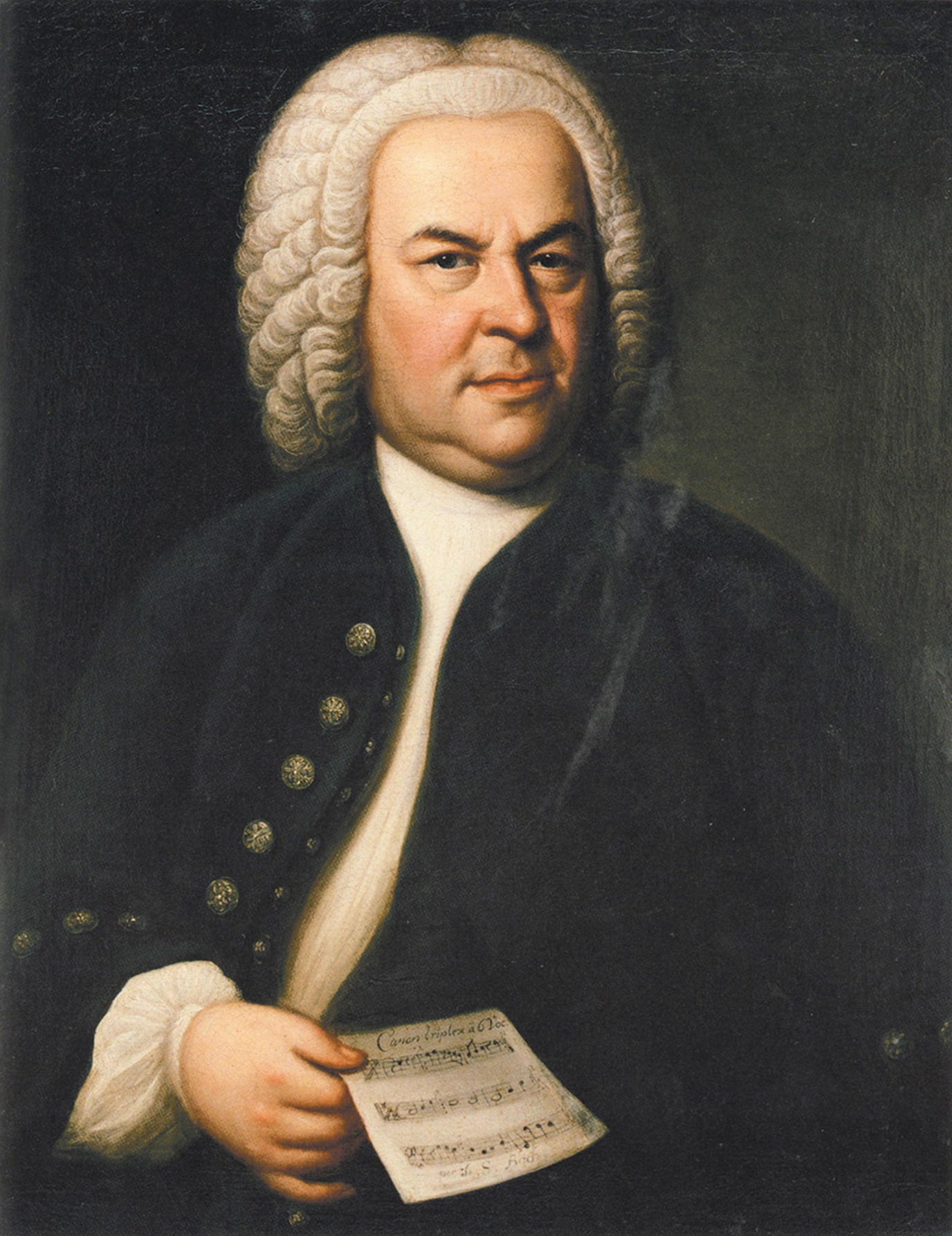
Johann Sebastian Bach
A towering figure of the Baroque period, Johann Sebastian Bach was a German composer and organist whose profound mastery of counterpoint represents the pinnacle of Western musical architecture.
This biography of Johann Sebastian Bach helps you learn English through real historical stories.
born1685
died1750
nationalityGerman
known forThe Brandenburg Concertos, The Well-Tempered Clavier, and mastery of counterpoint
fieldmusic and composition
Key Takeaways
- He is considered the master of the Baroque era and the 'father of Western music'
- He was an unparalleled virtuoso organist and composed prolifically for the church
- His works, such as the Brandenburg Concertos, represent the pinnacle of counterpoint and harmony
- He did not invent new forms but perfected existing Baroque musical architectures
Life Timeline
1685
Born in Eisenach, Germany
1708
Appointed court organist in Weimar
1717
Moved to Köthen to serve as Kapellmeister (director of music)
1721
Dedicated the 'Brandenburg Concertos' to the Margrave of Brandenburg
1723
Appointed Thomaskantor in Leipzig, directing church music
1750
Died in Leipzig, leaving a colossal musical legacy
Biography Reading: Johann Sebastian Bach
background
Johann Sebastian Bach was born in 1685 in Eisenach, Germany, into a massive and highly distinguished family of musicians. Orphaned at the age of ten, he was taken in by his older brother, who taught him to play the clavier and exposed him to contemporary music. Bach's insatiable thirst for musical knowledge led him to study, copy, and master the styles of leading European composers. He soon established himself as an unparalleled virtuoso organist and a brilliant, though sometimes stubborn, musical director.
achievement
Throughout his career, Bach held various musical posts across Germany, serving in Weimar, Köthen, and finally Leipzig. During his time in Köthen, working for a prince who favored secular music, Bach composed some of his most famous instrumental works, including the "Brandenburg Concertos" and "The Well-Tempered Clavier." When he later moved to Leipzig as the Thomaskantor, his focus shifted heavily to sacred music, composing hundreds of complex, deeply spiritual cantatas, passions, and masses intended for weekly church services.
impact
Bach's ultimate genius lay in his absolute mastery of counterpoint—the intricate art of weaving multiple independent melodies together simultaneously—and his sophisticated understanding of harmonic organization. Unlike Beethoven or Mozart, Bach did not invent new musical forms; rather, he brought the existing forms of the Baroque era to their absolute peak of perfection. Although his music was considered old-fashioned by the time of his death in 1750, a major revival in the 19th century restored his reputation. Today, Bach is universally revered as the "father of Western music," whose mathematical precision and profound emotional depth continue to challenge and inspire musicians of all genres.
Essential Vocabulary
counterpoint
the art or technique of setting, writing, or playing a melody or melodies in conjunction with another
pinnacle
the most successful point; the culmination
secular
denoting attitudes, activities, or other things that have no religious or spiritual basis
sacred
connected with God or dedicated to a religious purpose
intricate
very complicated or detailed
revival
an improvement in the condition or strength of something
Knowledge Check Quiz
FACTUAL1 / 4
Which famous set of concertos did Bach compose while working in Köthen?
Flashcards
Flashcard
Who is often called the 'father of Western music' and the master of the Baroque period?
Johann Sebastian Bach.
1 / 9